feelings
-
Raising respectful boys in today’s digital world requires more than teaching good manners at home. With social media, influencers, gaming communities, and online conversations shaping the way young people think and behave, children are constantly exposed to messages about masculinity, success, relationships, and power. Parents and caregivers can help them navigate these influences by encouraging…
-
Sexual violence against men remains a deeply underreported reality, often hidden behind stigma, shame, harmful stereotypes about masculinity, and the fear of not being believed. Yet silence does not erase the experience—or its lasting effects. Survivors may struggle with anxiety, depression, post-traumatic stress, isolation, difficulties with trust, or challenges in seeking support, sometimes for years…
-
Protecting women and children from sexual abuse requires clear evidence, effective safeguarding practices, and a commitment to supporting survivors—not fear-based assumptions about entire communities. This guide examines evidence-based ways to recognize risk, strengthen reporting and prevention systems, respond appropriately to disclosures, and hold offenders accountable, while making an important distinction between harmful behavior and gender…
-
Gender is more than a set of assumptions, appearances, or expectations imposed by society—it is a deeply personal part of how people understand and express themselves. While stereotypes often try to place individuals into narrow categories, gender identity and expression are diverse, evolving, and unique to each person. This article explores the difference between who…
-
Sexual violence persists not because survivors fail to speak up, but because harmful ideas, unequal power structures, institutional silence, and inadequate systems of accountability continue to protect perpetrators and discourage reporting. From male violence shaped by entitlement and harmful gender norms to communities and institutions that minimize, silence, or blame survivors, the causes are complex—but…
-
I think it’s worth remembering that European colonial settlers were welcomed into the middle east by Palastinians who sought to help them settle. The result was the colonial European settler zionists enacted the Nakba to establish and secure a Jewish state violently displacing 750,000 Palastinians from their homes and lands. Dozens of massacres, including the…
-
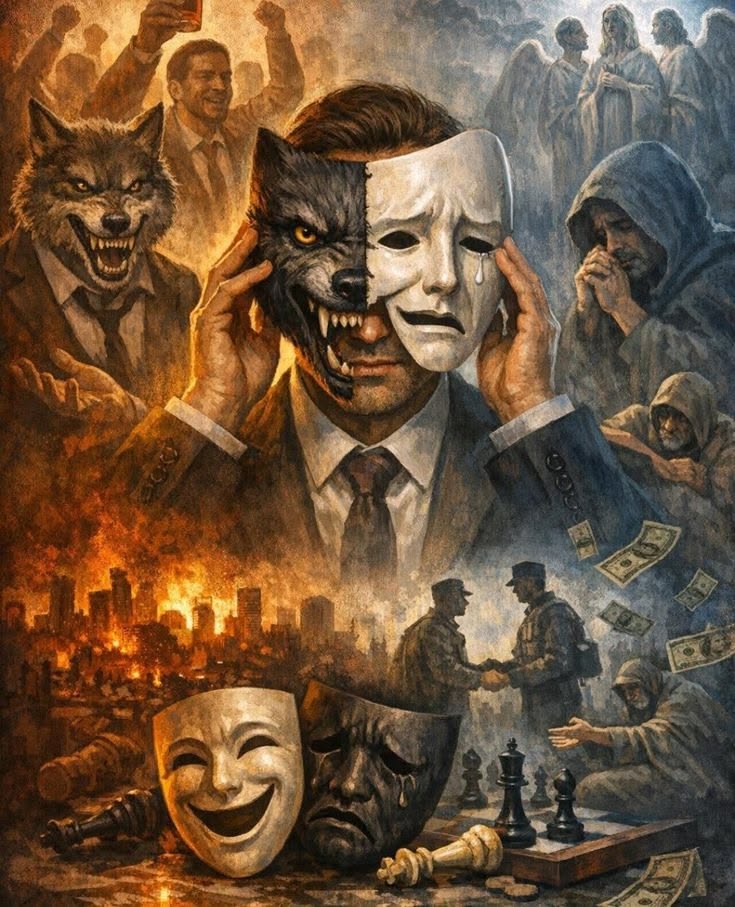
Wars are faked to push up energy prices, fuel costs and food prices, because the billionaire shareholders demand more wealth and this is an easy way to achieve this, Because they know how gullible many people are and this increases when they blame migrants and ramp up nationalism. It’s such a simplistic technique and only…
-
America likes to believe that lynching is a closed chapter of its history, a horror confined to black-and-white photographs and distant decades. Yet for many communities, the violence never truly ended — it evolved, taking on new forms while the underlying legacy of white supremacy remained intact. From acts of racial terror that still claim…
-
Behind the polished veneer of political campaigns and the carefully crafted soundbites of legislative debates lies a more complex, often shadowed reality: the outsized influence of special interest groups. While the rhetoric of democracy promises that every citizen has an equal voice, the machinery of modern governance is increasingly being steered by those with the…
-
Electric cars were prevalent in the 1830’s so don’t let Musk or others convince you this is new tech, it’s old tech reinvented. Ironically it was only after 1911 when Charles F Kettering invented the electronic ignition that people dumped electric cars as a choice for petrol ones. So much for progress.

