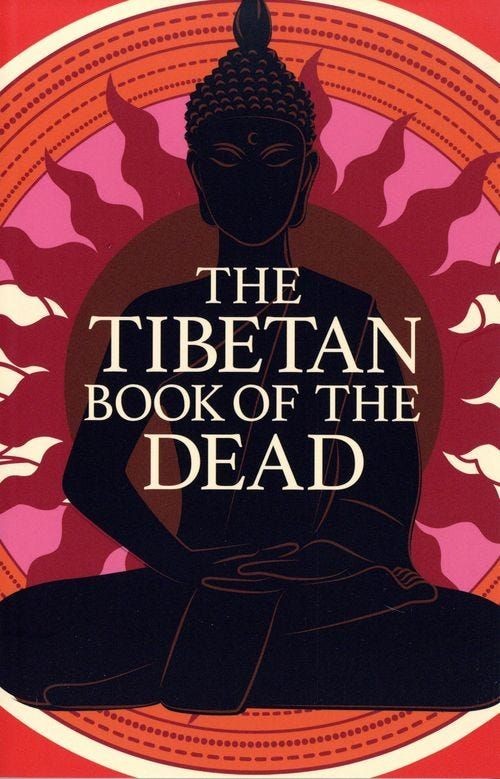
The concept of the afterlife has captivated human imagination for millennia, weaving its way through the fabric of diverse cultures and religions around the globe. From the ancient Egyptians’ intricate “Book of the Dead,” which served as a guide for souls navigating the perilous journey to the afterlife, to the Tibetan “Bardo Thodol,” which outlines the experiences of the deceased in the intermediate state between death and rebirth, these texts reveal profound beliefs about life, death, and what lies beyond. In this blog post, we will embark on a fascinating journey through the various interpretations of the afterlife as depicted in sacred literature across cultures, examining the rituals, philosophies, and spiritual insights that shape our understanding of mortality. Join us as we delve into these rich narratives, uncovering the universal themes and unique perspectives that reflect humanity’s enduring quest for meaning and connection in the face of the unknown.
1. Introduction to the Concept of the Afterlife
The concept of the afterlife has fascinated humanity for millennia, weaving its way through the fabric of cultures and religions across the globe. It serves as a profound reflection of our deepest fears, hopes, and questions about existence beyond the physical realm. As we grapple with the mysteries of life and death, various societies have sought to understand what lies beyond the final breath, leading to the creation of unique texts and beliefs that illuminate their perspectives on the afterlife.
In ancient Egypt, the “Book of the Dead” served as an essential guide for the deceased, providing spells and incantations designed to navigate the treacherous journey through the underworld. This sacred text was not merely a collection of rituals; it embodied the Egyptians’ belief in resurrection and eternal life, showcasing their intricate understanding of morality and the cosmic order.
Meanwhile, in Buddhism, the “Bardo Thodol,” commonly known as the Tibetan Book of the Dead, presents a different approach. It offers insight into the transitional states of existence between death and rebirth, emphasizing the importance of mindfulness and awareness during these pivotal moments. This text serves as a spiritual guide, aiming to help individuals recognize the nature of reality and attain enlightenment, ultimately breaking the cycle of rebirth.
Across cultures, these texts reveal a tapestry of beliefs, each reflecting the values, fears, and aspirations of their people. From the Christian visions of Heaven and Hell found in the “Divine Comedy” to the Greek “Myth of Er,” which explores the soul’s journey post-mortem, each narrative offers a glimpse into how different societies interpret the afterlife’s promise or peril.
As we delve deeper into the varied depictions of the afterlife, we uncover not only the spiritual dimensions of human existence but also the universal quest for meaning and connection that transcends time, geography, and belief. This exploration invites us to reflect on our own notions of mortality and the legacy we leave behind, enriching our understanding of what it means to be human in the face of the unknown.
2. Overview of the Books of the Dead
The term “Books of the Dead” encompasses a fascinating array of texts across various cultures and religious traditions, each offering unique insights into the beliefs and practices surrounding death and the afterlife. At its core, these texts serve as spiritual guides, helping souls navigate the transition from the physical realm to whatever lies beyond.
In ancient Egypt, the “Book of the Dead” is perhaps the most renowned, a collection of spells, prayers, and incantations designed to assist the deceased in their journey through the afterlife. These texts were often inscribed on papyrus scrolls and placed in tombs, ensuring that the dead had the necessary tools to overcome obstacles and judgment before the gods. Notably, the heart was weighed against the feather of Ma’at, symbolizing truth and justice, determining the soul’s fate.
Similarly, in Tibetan Buddhism, the “Bardo Thodol,” commonly known as the Tibetan Book of the Dead, provides guidance for those transitioning between life and rebirth. It describes the intermediate state, or bardo, where the consciousness experiences various visions and challenges after death. The text is recited to the dying or deceased, helping them recognize the nature of reality and navigate the cycles of existence.
In Hinduism, the “Garuda Purana” serves a comparable role, detailing the journey of the soul after death, the importance of rituals, and the consequences of one’s actions in life (karma). This sacred text emphasizes the cyclical nature of life, death, and rebirth, underscoring the ultimate goal of achieving moksha, or liberation from the cycle of reincarnation.
Across cultures, these texts reveal a common thread: the desire to understand and prepare for the inevitable journey beyond death. They reflect each culture’s values, fears, and hopes, offering a glimpse into the human quest for meaning and continuity in the face of mortality. As we explore these texts, we uncover not only the diverse beliefs surrounding the afterlife but also the universal longing for connection to something greater than ourselves.
3. The Egyptian Book of the Dead: Beliefs and Practices
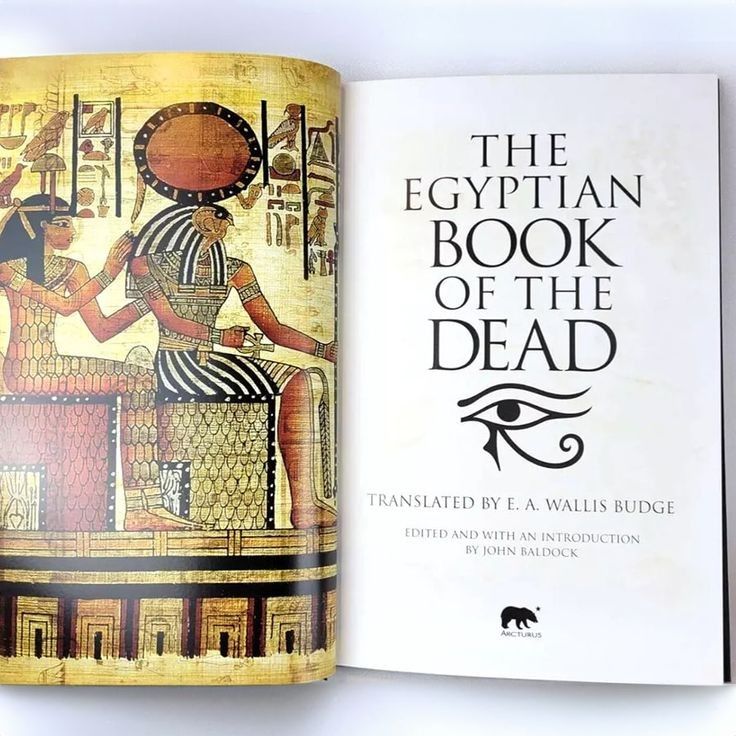
The Egyptian Book of the Dead, known as “The Book of Coming Forth by Day,” serves as a fascinating gateway into the spiritual beliefs and practices of ancient Egypt surrounding the afterlife. This collection of spells, prayers, and incantations was designed to guide the deceased through the perilous journey in the afterlife, ensuring their safe passage to the realm of the gods. Central to these beliefs was the notion of Ma’at, the principle of truth, balance, and cosmic order, which governed not only life on Earth but also the judgment of souls after death.
Upon passing, the deceased would undergo the weighing of the heart ceremony, where their heart was placed on one side of a scale against the feather of Ma’at on the other. This ritual was not merely symbolic; it was a matter of life and death, determining whether the soul would experience eternal bliss or be devoured by the fearsome Ammit, a creature that was part lion, hippopotamus, and crocodile. The spells contained in the Book of the Dead served multiple purposes: to protect the deceased from malevolent spirits, to provide answers to potential questions posed by Osiris, the god of the afterlife, and to equip the soul with the knowledge needed to navigate the complex realms of the underworld.
The text itself was often inscribed on papyrus scrolls and placed in tombs, allowing the deceased to access its wisdom. Illustrations accompanied the spells, depicting vivid scenes of the afterlife, including lush fields of reeds where souls could enjoy an idyllic existence. From the intricate hieroglyphs to the enchanting imagery, the Book of the Dead was a visual and literary masterpiece that reflected the Egyptians’ deep reverence for the afterlife.
Ultimately, the Egyptian Book of the Dead encapsulates a rich tapestry of beliefs, illustrating how ancient Egyptians viewed death not as an end but as a transformative journey. It reveals their desire for immortality and the lengths to which they would go to ensure their loved ones could successfully traverse the uncertainties of the afterlife. Through this sacred text, we gain not only insight into their spiritual life but also a profound understanding of the human yearning for connection and continuity beyond the grave.
4. The Tibetan Book of the Dead: Insights and Interpretations
### The Tibetan Book of the Dead: Insights and Interpretations
The Tibetan Book of the Dead, known as the “Bardo Thodol,” is a profound text that offers a unique window into the Tibetan Buddhist understanding of life, death, and the nature of consciousness. Authored in the 8th century by the great Indian master Padmasambhava, this sacred scripture serves as a guide for the deceased as they navigate the intricate landscape of the afterlife—a realm filled with both daunting challenges and enlightening opportunities.
At its core, the Bardo Thodol introduces the concept of the “bardo,” a transitional state between death and rebirth. This text outlines three primary bardos: the bardo of the moment of death, the bardo of the intermediate state, and the bardo of rebirth. Each bardo presents unique experiences and challenges, with vivid descriptions of the visions, deities, and judgments that the soul encounters. Readers are urged to confront their own fears and attachments during these states, as they hold the key to liberation or rebirth.
One of the most striking aspects of the Tibetan Book of the Dead is its emphasis on the impermanence of existence. It encourages individuals to cultivate mindfulness and awareness throughout their lives, not just in preparation for death. This idea is beautifully illustrated through its instructions for the dying, which emphasize the importance of recognizing the illusory nature of reality. The text suggests that by understanding the transient nature of thoughts and emotions, one can achieve a state of clarity and fearlessness that will carry over into the afterlife.
Moreover, the Bardo Thodol is rich with iconography and symbolism that enhances its teachings. The text describes a range of peaceful and wrathful deities that appear during the bardos, each embodying different aspects of the mind. The presence of these figures serves as a reminder that the ultimate journey is an inward one—encouraging practitioners to confront their own nature and the karmic impressions they carry.
Modern interpretations of the Tibetan Book of the Dead have also emerged, drawing from psychological and philosophical perspectives. Some scholars liken the bardos to psychological states of consciousness, suggesting that the experiences described may parallel stages of grief, transformation, and self-realization. This interplay between ancient wisdom and contemporary understanding makes the text not only a guide to the afterlife but also a source of profound insights for living a more conscious and intentional life.
In the end, the Tibetan Book of the Dead invites readers to reflect upon their existence, offering profound insights that transcend cultural boundaries. It encourages a deep exploration of the self, reminding us that the journey does not end with physical death but continues into the uncharted realms of the afterlife—where wisdom, liberation, and transformation await.
5. The Islamic Perspective: The Book of Death in Islam
In the Islamic tradition, the concept of the afterlife is intricately woven into the fabric of faith, providing a profound understanding of mortality and what lies beyond. Central to this belief is the “Kitab al-Mawt,” or the Book of Death, which outlines the Islamic perspective on death, resurrection, and the eternal journey of the soul. Unlike the extensive hieroglyphs of ancient Egypt or the elaborate funerary texts of other cultures, the Islamic approach is rooted in scripture and prophetic teachings, emphasizing the transient nature of earthly existence and the eternal significance of one’s actions.
Islam teaches that death is not an end, but rather a transition into a different realm of existence. Upon death, the soul enters a state known as Barzakh, a liminal space where it awaits the Day of Judgment. This period is marked by a consciousness of one’s deeds, providing a preview of what is to come. The concept of accountability is paramount; every individual is believed to be weighed on scales that measure their good deeds against their sins. The Quran, in its verses, vividly describes the terrors of the Day of Judgment, where each soul will be called forth to account for their life choices, thus encouraging believers to live a life of piety, honesty, and compassion.
The Book of Death also highlights the importance of rituals surrounding death and mourning in Islamic culture. From the prayer of Janazah (funeral prayer) to the practices of burial and mourning, these customs reflect a deep respect for the deceased and an acknowledgment of the sacred journey that lies ahead. The community plays a vital role in supporting the bereaved, fostering a sense of unity and compassion during times of grief.
In exploring the Islamic perspective on the afterlife, one uncovers a rich tapestry of beliefs that offer comfort and guidance. The teachings emphasize hope and redemption, reminding followers that while death is inevitable, it is merely a passage to a new existence, reinforcing the notion that the life we lead has profound implications for our soul’s journey in the hereafter. Through the lens of Islam, the Book of Death serves not only as a guide for understanding mortality but also as an invitation to reflect on the choices we make and the legacy we leave behind.
6. The Christian Afterlife: The Role of the Divine and Scripture
In Christianity, the concept of the afterlife is deeply entwined with the role of the divine and the teachings found within scripture. Central to Christian beliefs is the notion of salvation and eternal life, primarily derived from the New Testament, which outlines the promise of heaven for those who accept Jesus Christ as their Savior. The afterlife is depicted as a place of ultimate communion with God, a realm of peace and joy where believers are rewarded for their faith and good deeds during their earthly lives.
The Bible serves as the cornerstone of Christian eschatology, providing a framework through which believers understand the afterlife. Key passages, such as John 3:16, emphasize the gift of eternal life through faith, while the Book of Revelation paints a vivid picture of the final judgment and the new heaven and new earth. This duality of reward and judgment reflects the divine justice inherent in Christian theology, where the choices made in life have eternal consequences.
Interestingly, the Christian afterlife is not only a personal journey but is also communal. The idea of the Church as the Body of Christ suggests that believers are interconnected, both in life and after death. This belief fosters a sense of hope and assurance among Christians, as they anticipate a reunion with loved ones and fellow believers in the presence of God.
Moreover, the Christian narrative of the afterlife is rich with symbolism and allegory. The parables of Jesus often illustrate moral lessons that resonate with the idea of the afterlife, such as the Parable of the Good Samaritan, which emphasizes compassion and the importance of helping others. These teachings serve to guide believers in their daily lives, encouraging them to reflect the love of Christ in their actions and interactions.
In summary, the Christian understanding of the afterlife is a profound blend of divine promise, scriptural guidance, and communal belonging. It offers a hopeful vision of eternity, where believers can look forward to a transformed existence in the presence of the divine, shaped by their faith and the teachings of scripture.
7. Hindu Texts on the Afterlife: The Garuda Purana and Beyond
When it comes to exploring the concept of the afterlife, Hindu texts offer a rich and intricate tapestry of beliefs, philosophies, and guidelines. Among these sacred scriptures, the **Garuda Purana** stands out as a significant text, revered for its detailed descriptions of the journey of the soul after death and the nature of the afterlife.
The **Garuda Purana**, attributed to the eagle deity Garuda, serves not only as a mythological narrative but also as a practical guide for the living. It emphasizes the importance of righteous living and the rituals necessary for ensuring a peaceful transition into the afterlife. Within its verses, readers encounter vivid depictions of the abode of the dead, the role of Yama (the god of death), and the consequences of one’s actions in life—an exploration of karma that resonates deeply with the overarching themes in Hindu philosophy.
Beyond the **Garuda Purana**, other texts also contribute to the understanding of the afterlife in Hinduism. The **Bhagavad Gita**, for instance, while primarily a discourse on duty and righteousness, touches upon the immortality of the soul and the cyclical nature of life and death. Similarly, the **Upanishads** delve into the metaphysical aspects of existence, presenting ideas of the Atman (soul) and its union with Brahman (universal consciousness), offering a philosophical perspective on what lies beyond.
These texts collectively underscore a belief in rebirth and the transient nature of the physical body. They prescribe various rites and rituals, known as **shraadh**, which are performed by the living to honor and aid the souls of the departed in their journey towards liberation (moksha).
In essence, the Hindu texts on the afterlife serve as both a moral compass for the living and a roadmap for the deceased, intertwining the spiritual with the practical. As we navigate the complexities of existence, these ancient writings remind us of the profound connections between our actions, our beliefs, and the afterlife that awaits us. The rich narratives found within the **Garuda Purana** and other Hindu scriptures not only illuminate the path for the departed but also invite the living to reflect on their own spiritual journeys.
8. Indigenous Perspectives: The Spirit World in Native Cultures
Indigenous cultures around the world offer profound insights into the spirit world, weaving narratives that are deeply interwoven with their beliefs, customs, and daily lives. These perspectives often emphasize a holistic understanding of existence, where the boundaries between the living and the dead are fluid, and the spirit world is seen as an extension of the natural world.
In many Native American traditions, for instance, the afterlife is viewed as a continuation of life on Earth, marked by the belief in a vibrant spirit realm filled with ancestors and nature spirits. The Lakota people speak of the “Wakan Tanka,” or the Great Spirit, who oversees the balance of life and death. Rituals, such as the “Rainbow Bridge” ceremony, symbolize the journey of the soul, guiding the deceased to the next realm while honoring their place within the community.
Similarly, the Māori of New Zealand have a rich tapestry of beliefs surrounding the afterlife, encapsulated in their concept of “Te Ao Wairua,” or the spirit world. They believe that the spirits of the deceased return to their ancestors, and their presence is felt in the land, the water, and the air. Funerary practices, such as the “tangi,” are deeply emotional gatherings that honor the dead while reaffirming the bonds between the living and their ancestors.
In Australia, Aboriginal cultures hold a diverse array of beliefs about the Dreamtime, a spiritual dimension that encompasses creation stories, ancestral beings, and the afterlife. The spirits of the ancestors are believed to inhabit the land, and through storytelling, song, and dance, the living maintain a connection with these guiding forces.
Across these cultures, the afterlife is not merely a destination; it is a dynamic and integral part of their worldviews. Rituals and celebrations serve to reinforce the connections between the living and the deceased, ensuring that the wisdom and guidance of ancestors continue to influence the present. By examining these indigenous perspectives, we gain a deeper appreciation for the rich tapestry of beliefs surrounding the afterlife, each offering unique insights into the eternal cycle of life, death, and rebirth.
9. The Role of Ancestors in Afterlife Beliefs
In many cultures around the world, the concept of the afterlife is intricately intertwined with the reverence for ancestors. The belief that the deceased continue to play an active role in the lives of the living shapes rituals, practices, and the very fabric of spiritual understanding. In this section, we will explore how various cultures perceive the role of ancestors in afterlife beliefs and the significance of maintaining connections with those who have passed.
In Chinese culture, for instance, the veneration of ancestors is a cornerstone of spiritual life. The practice of honoring one’s forebears through offerings, prayers, and festivals such as Qingming (Tomb-Sweeping Day) reflects a deep-seated belief that ancestors watch over their descendants and influence their fortunes. Families create altars adorned with photographs, incense, and food, serving as both a reminder of their lineage and a conduit for communication with those who have transitioned to the next realm.
Similarly, in many African traditions, ancestors are viewed as the guardians of wisdom and protectors of their descendants. They are believed to possess the power to intervene in the living world, guiding individuals through life’s challenges. Rituals like libations and storytelling play a crucial role in these cultures, as they serve to honor the ancestors and keep their memories alive. The communal aspect of these practices reinforces the idea that the bonds between the living and the dead are not only maintained but are essential for the community’s health and wellbeing.
In the realm of indigenous beliefs, such as those of the Native American tribes, the relationship with ancestors is often characterized by a cyclical understanding of life and death. The concept of the “circle of life” emphasizes continuity, where ancestors are seen as a vital part of the ongoing journey of existence. Ceremonies, dances, and storytelling are ways to connect with the spirits of ancestors, ensuring that their wisdom and experiences are passed down through generations.
In contrast, Abrahamic religions, such as Christianity, Judaism, and Islam, focus on the individual relationship with God and the afterlife. However, the remembrance of ancestors still holds importance. In Christianity, for example, the “Communion of Saints” fosters a sense of community that includes not only the living but also the dead. In many Jewish practices, the Yahrzeit candle is lit in memory of deceased loved ones, symbolizing the enduring connection between the living and their ancestors.
Across these diverse beliefs, the role of ancestors in afterlife narratives is a testament to the enduring human desire to remain connected with those who have gone before us. These connections provide comfort, guidance, and a sense of belonging, reminding us that the afterlife is not just a distant realm but a continuum of love and legacy. As we navigate our own beliefs about life after death, we can draw from the rich tapestry of ancestor veneration across cultures, recognizing the profound impact it has on our understanding of existence and the ties that bind us to our past.
10. Comparative Analysis: Common Themes Across Cultures
In delving into the rich tapestry of beliefs surrounding the afterlife, a comparative analysis reveals striking common themes that resonate across various cultures and religions. Despite the vast differences in rituals, deities, and cosmologies, many societies share a fundamental understanding of death as a transition rather than an end.
One of the most prevalent themes is the notion of a journey or passage that the soul must undertake after death. In the Egyptian Book of the Dead, for instance, the deceased faces the Hall of Judgment, where their heart is weighed against the feather of Ma’at, determining their fate in the afterlife. This concept of judgment is echoed in the Tibetan Book of the Dead, where the soul navigates a series of trials in the bardo—a liminal space between death and rebirth—encountering various manifestations that test their spiritual readiness.
Another commonality is the importance of preparation for the afterlife, which often entails specific rituals or offerings. In Ancient Greece, the practice of placing coins in the mouths of the deceased ensured safe passage across the River Styx, while in Hinduism, the burning of incense and chanting of mantras during cremation ceremonies are believed to help guide the soul to its next incarnation. These practices highlight a shared belief that the living have a role to play in assisting the dead on their journey.
Furthermore, many cultures emphasize the idea of ancestral connections and the continued presence of the deceased among the living. In many Indigenous cultures, for example, the spirits of ancestors are honored and called upon for guidance, reinforcing a sense of community that transcends death. Similarly, in the Mexican tradition of Día de los Muertos, families celebrate their loved ones who have passed, creating altars adorned with photographs, food, and mementos, symbolizing the enduring bond between the living and the dead.
Ultimately, the exploration of these themes underscores a universal human concern: the quest for meaning in the face of mortality. Whether through intricate texts, oral traditions, or elaborate rituals, cultures around the world grapple with the same questions: What happens after we die? How can we honor those who have gone before us? In examining these shared beliefs, we find a comforting reminder that, despite our differences, the human experience is bound by a common thread—the desire to understand what lies beyond this life.
11. Symbolism and Rituals in Afterlife Literature
When delving into the rich tapestry of afterlife literature, the symbolism and rituals woven throughout these texts provide profound insights into the beliefs and values of different cultures. From the ancient Egyptian “Book of the Dead” to the Tibetan “Bardo Thodol,” these works are imbued with powerful imagery and practices designed to guide souls through the transition from life to the afterlife.
In Egyptian culture, for instance, the afterlife was depicted as a grand journey, filled with obstacles and divine judgment. The heart of the deceased would be weighed against the feather of Ma’at, symbolizing truth and justice. This ritual underscored the importance of living a virtuous life, as one’s earthly deeds directly impacted their fate in the afterlife. The vivid illustrations found in the “Book of the Dead,” featuring scenes of the deceased interacting with gods, navigating the Duat (the underworld), and encountering various challenges, serve as both guidance and reassurance for the soul’s journey.
Similarly, in the Tibetan tradition, the “Bardo Thodol” (often referred to as the Tibetan Book of the Dead) emphasizes the transient nature of life and the importance of mindfulness. The text outlines the stages of the afterlife experience, with vivid descriptions of the bardos, or intermediate states, that the soul must traverse. Symbolism in this context often revolves around the concept of light and enlightenment, as practitioners are encouraged to recognize the illusions of the mind during their journey, ultimately leading them toward liberation.
Across cultures, the rituals associated with these texts, such as funerary practices, meditative guidance, and communal remembrance, reflect a shared human desire to understand and navigate the unknown. They often serve as a bridge between the living and the dead, reinforcing connections through shared beliefs and practices. By exploring these symbols and rituals, we not only gain insight into the afterlife beliefs of various cultures but also recognize the universal quest for meaning that transcends geographical and temporal boundaries. As we dissect the layers of afterlife literature, we uncover a rich dialogue about mortality, morality, and the enduring hope for existence beyond this life.
12. The Evolution of Afterlife Beliefs Over Time
The concept of the afterlife has undergone profound transformations throughout human history, reflecting the changing values, philosophies, and societal structures of various cultures. From the ancient Egyptians, whose elaborate rituals and texts aimed to ensure a safe passage through the afterlife, to contemporary spiritual movements that embrace a more fluid interpretation of existence beyond death, the evolution of afterlife beliefs is a fascinating journey through time.
In ancient civilizations, such as those in Mesopotamia and Egypt, the afterlife was often depicted as a continuation of earthly life, complete with judgment, rewards, and punishments. The “Book of the Dead” from ancient Egypt, for instance, served not only as a guide for the deceased but also as a testament to the society’s values. It detailed the necessary spells and incantations to navigate the perilous journey to the afterlife, highlighting the belief in an intricate balance between good and evil.
As societies evolved, so too did their conceptions of the afterlife. The rise of monotheistic religions introduced new frameworks for understanding death and what comes after. For example, Christianity, Judaism, and Islam present distinct ideas about heaven and hell, emphasizing morality and divine judgment. Over time, the narratives surrounding these beliefs adapted to fit the needs and questions of believers, leading to a rich tapestry of interpretations that reflect both hope and fear regarding what lies beyond.
In more recent centuries, philosophical movements and scientific advancements have further influenced afterlife beliefs. The Age of Enlightenment brought forth skepticism and rationalism, prompting some to question traditional narratives. Meanwhile, modern spiritual movements often embrace reincarnation or the idea of consciousness existing beyond physical death, drawing from a blend of ancient wisdom and contemporary thought.
Today, the dialogue surrounding the afterlife continues to evolve, shaped by personal experiences, cultural exchanges, and a growing interest in spirituality beyond dogma. As globalization connects diverse beliefs, individuals are increasingly likely to explore various interpretations of what happens after death, creating a rich, multifaceted understanding that honors the complexities of human existence. From ancient texts to modern discourse, the evolution of afterlife beliefs not only reflects humanity’s quest for meaning but also serves as a mirror to our collective psyche, illuminating our deepest fears and greatest hopes in the face of the unknown.
13. Modern Interpretations and Adaptations of Ancient Texts
In the ever-evolving landscape of literature and spirituality, modern interpretations and adaptations of ancient texts have breathed new life into the timeless themes of the afterlife. From the Egyptian “Book of the Dead” to the Tibetan “Bardo Thodol,” these sacred writings have undergone transformations that resonate with contemporary audiences, reflecting our current understanding of existence, mortality, and the beyond.
Many authors and scholars have sought to reinterpret these ancient scriptures, coupling them with modern philosophical insights and psychological frameworks. For instance, contemporary adaptations of the “Book of the Dead” often focus on its rich symbolism, highlighting the journey of the soul through the afterlife as a metaphor for personal growth and self-discovery. These interpretations invite readers to consider the text not merely as a guide for the deceased but as a manual for living a more purposeful life.
Similarly, the Tibetan “Bardo Thodol,” traditionally known as the Tibetan Book of the Dead, has been reimagined in various forms, from graphic novels to guided meditation practices. These modern iterations aim to demystify the complex processes of death and rebirth, making them accessible to those unfamiliar with Buddhist teachings. By framing these ancient doctrines in the context of modern spirituality, these adaptations encourage a deeper exploration of our own beliefs about life after death.
Moreover, the rise of digital media has allowed for the creation of interactive experiences that engage users in new ways, transforming how we approach these ancient texts. Virtual reality experiences, for example, can simulate journeys through the afterlife based on these writings, offering immersive insights into the beliefs of different cultures.
As we delve into the interpretations of these ancient texts, it becomes clear that they remain relevant, challenging us to confront our own mortality and to explore what lies beyond. Whether through literature, art, or digital media, modern adaptations of the books of the dead serve as a bridge connecting ancient wisdom with contemporary inquiries, allowing us to ponder the eternal questions of existence and the afterlife in a fresh context.
14. The Psychological Impact of Afterlife Beliefs
The beliefs surrounding the afterlife wield significant psychological influence over individuals and communities, shaping not only personal perspectives on mortality but also collective cultural identities. For many, the thought of an afterlife offers comfort in the face of death, providing a sense of continuity beyond the physical existence. This is especially evident in cultures that embrace notions of reincarnation, where the soul’s journey is seen as a perpetual cycle of growth and learning. The idea that actions in one life can influence the next fosters a moral framework that encourages ethical behavior and accountability, reinforcing social cohesion and individual purpose.
Conversely, in belief systems that emphasize a singular afterlife experience—such as the Christian heaven and hell—individuals may grapple with existential concerns about judgment and redemption. This dichotomy can lead to profound psychological effects, from anxiety over moral failings to a deep-seated hope for salvation. The rich narratives found in texts like the Tibetan Book of the Dead and the Egyptian Book of the Dead serve not only as guides for the deceased but also as tools for the living, offering insights into navigating the complexities of life, death, and what lies beyond.
Moreover, the rituals associated with afterlife beliefs often provide communal support during times of grief, allowing individuals to process loss collectively. Whether through elaborate funerary practices or communal remembrances, these rituals can serve as vital coping mechanisms, fostering resilience in the face of mortality. As we explore the diverse representations of the afterlife across cultures, it becomes clear that these beliefs profoundly shape our understanding of life’s purpose, the nature of existence, and the psychological landscapes we navigate as we confront the ultimate unknown.
15. Conclusion: The Quest for Understanding the Afterlife
As we draw our exploration of the Books of the Dead to a close, it becomes evident that the quest for understanding the afterlife transcends cultural and religious boundaries. Across civilizations, from the ancient Egyptians and their intricate hieroglyphs guiding souls through the Duat, to the Tibetan Book of the Dead, which offers profound insights into the transitional states between death and rebirth, these texts reflect humanity’s deepest fears and hopes surrounding mortality. They serve not only as spiritual guides but also as mirrors of the ethical and moral frameworks of their respective societies.
In examining these diverse perspectives, we uncover a shared yearning for answers to life’s most profound questions: What lies beyond? Is there a continuation of existence? The richness of these narratives illustrates the human spirit’s resilience and its relentless pursuit of meaning, even in the face of the unknown. Each culture’s interpretation of the afterlife offers unique insights into their values, beliefs, and practices, revealing a tapestry of human experience that is both deeply personal and universally relatable.
As we contemplate the various paths outlined in these sacred texts, we recognize that while our journeys may differ, the underlying quest for understanding the afterlife unites us. Whether through elaborate rituals, contemplative practices, or philosophical inquiries, humanity continues to search for solace and clarity in the face of death. In this shared exploration, we find not just a desire to understand what lies beyond but also a profound appreciation for the life we live and the connections we forge along the way. The journey through the Books of the Dead ultimately invites us to reflect on our own beliefs and fosters a deeper respect for the myriad ways in which cultures navigate the mystery of existence.
In conclusion, our journey through the diverse conceptions of the afterlife as depicted in the Books of the Dead across various cultures and religions has unveiled a rich tapestry of beliefs, rituals, and philosophical reflections. From the intricate hieroglyphs of ancient Egypt to the profound teachings found in Eastern philosophies, each tradition offers unique perspectives on mortality, the soul, and what lies beyond. By exploring these texts, we not only gain insight into the values and fears of different societies but also find common threads that unite humanity in our quest for understanding the unknown. We hope this comparative guide has inspired you to delve deeper into these fascinating narratives and consider how they resonate with your own beliefs about the afterlife. Thank you for joining us on this enlightening exploration, and may it encourage you to reflect on your own journey through life and beyond.
——————————
 fauxcroft
Leave a comment