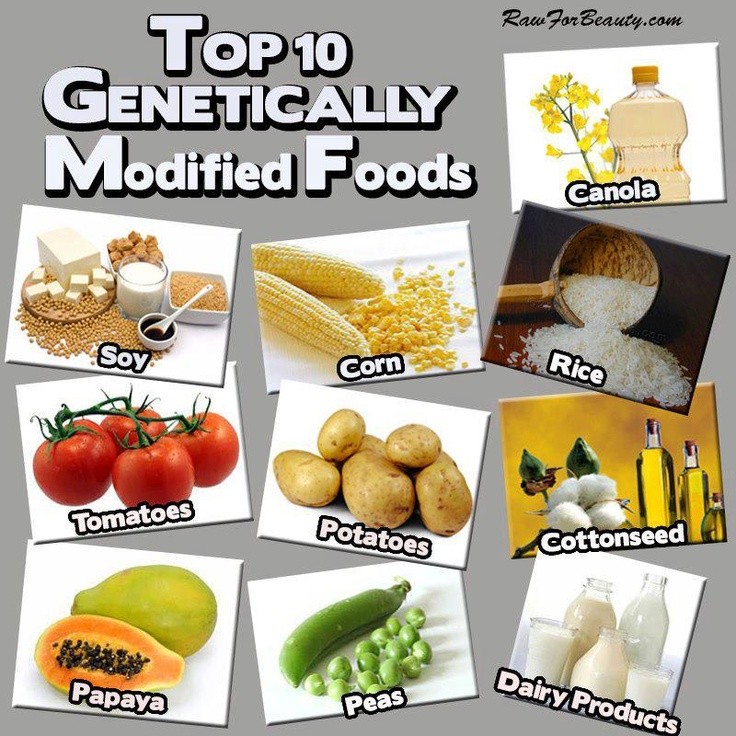
The food we eat is the foundation of our health, energy, and well-being. Yet, in today’s industrialized food landscape, the very sustenance that’s meant to nourish us has become a breeding ground for hidden dangers. Genetically modified (GM) foods, touted as a revolutionary solution to global food shortages, have quietly infiltrated our plates, carrying with them a host of unforeseen consequences. From mysterious health afflictions to environmental degradation, the unseen effects of GM foods have sparked a growing concern among scientists, health advocates, and consumers alike. But what exactly lies behind the seemingly innocuous labels of “improved yield” and “increased resistance”? As we delve into the world of GM foods, we’ll uncover the alarming truths about the long-term impact of these laboratory-created edibles on our bodies, our ecosystems, and our future. In this exposé, we’ll shine a light on the hidden menace lurking in our food supply, and explore the unsettling implications of a culinary landscape shaped by the interests of profit over people.
1. Introduction to GM Food: What You Need to Know
As we sit down to enjoy a meal, few of us pause to consider the intricacies of the food on our plates. We assume that the fruits and vegetables are grown naturally, and the meat comes from animals that roam freely. But the truth is far from it. Genetically modified (GM) food has become an integral part of our food supply, and its presence is more pervasive than we care to admit. From the cornflakes we eat for breakfast to the meat we grill for dinner, GM food has infiltrated every aspect of our diet. But what exactly is GM food, and how did it become so ubiquitous? Genetically modified organisms (GMOs) are created by altering the DNA of a plant or animal to introduce new traits, such as resistance to pests or increased tolerance to herbicides. The goal of genetic modification is to create crops that are more resilient, produce higher yields, and require fewer pesticides. Sounds like a win-win, right? But as we’ll explore in this blog post, the reality of GM food is far more complex and sinister.
2. The Rise of GM Food: How It Became a Mainstay in Modern Agriculture
The widespread adoption of Genetically Modified (GM) food in modern agriculture is a phenomenon that has unfolded with astonishing speed and stealth. What was once a fringe technology, touted as a revolutionary solution to global food security, has now become an integral part of our food system. In the span of just a few decades, GM crops have spread from a handful of experimental plots to millions of acres of farmland worldwide. The allure of increased yields, improved pest resistance, and enhanced nutritional content was too great for many farmers and policymakers to resist. As a result, GM crops have become a mainstay in modern agriculture, with many staple crops like corn, soybeans, and cotton now being predominantly genetically modified. But beneath the surface of this seemingly benign agricultural revolution lies a complex web of unintended consequences, hidden dangers, and unasked questions. As we delve deeper into the world of GM food, it becomes clear that the long-term implications of this technology are far from certain, and the potential risks to our health, environment, and food security are only beginning to emerge.
3. The Unseen Dangers: Uncovering the Health Risks of GM Food
As we look deeper into the world of genetically modified (GM) foods, it becomes increasingly alarming to uncover the unseen dangers that lurk beneath the surface of our seemingly harmless plates. The truth is, GM foods have been linked to a myriad of health risks, many of which have been swept under the rug or downplayed by the very industries that profit from them.
From the potential for allergic reactions and increased toxicity, to the disruption of our delicate gut microbiome and the potential for long-term, irreversible damage to our health, the risks associated with GM foods are far-reaching and devastating. The insertion of foreign genes into our food supply can lead to unpredictable and unintended consequences, including the creation of new toxins and the activation of dormant viruses.
Moreover, the widespread use of GM crops has also been linked to the rise of “superweeds” and “superpests,” which are resistant to the very pesticides and herbicides designed to control them. This has led to a vicious cycle of increased chemical use, further contaminating our soil, air, and water supplies.
The most disturbing aspect of this phenomenon is that many of these risks are not immediately apparent. The effects of GM foods on our health can be subtle and insidious, manifesting over time as chronic diseases and conditions that are often misattributed to other factors. It is our responsibility to educate ourselves and demand transparency from the industries that produce and regulate our food, before it’s too late.
4. The Alarming Connection: GM Food and Cancer
The link between GM food and cancer is a topic of growing concern, and one that warrants a closer examination. While the biotech industry would have us believe that genetically modified organisms (GMOs) are safe for human consumption, a plethora of studies suggest otherwise. The insertion of foreign genes into an organism’s DNA can lead to unintended consequences, including the production of toxic or allergenic substances. These substances, in turn, can wreak havoc on the human body, potentially triggering a cascade of cellular mutations that can culminate in cancer.
One of the most alarming aspects of GM food is its potential to disrupt the body’s natural functioning, particularly when it comes to the delicate balance of our gut microbiome. The introduction of genetically modified crops into our food supply has been linked to an increase in glyphosate, a pesticide commonly used in conjunction with GM crops. Glyphosate has been shown to alter the gut microbiome, leading to a range of health problems, including inflammation, digestive disorders, and even certain types of cancer. The correlation between GM food and cancer is a complex one, but the evidence suggests that it is a connection that cannot be ignored. As consumers, it is our responsibility to educate ourselves about the potential risks of GM food and to demand greater transparency from the food industry.
5. The Silent Killer: How GM Food Affects Your Gut Health
The gut, often referred to as the second brain, is a delicate ecosystem that plays a crucial role in our overall health and wellbeing. However, the introduction of Genetically Modified (GM) food into our diets has been found to have a devastating impact on this vital system. Research has shown that GM food can alter the gut microbiome, leading to a range of negative consequences that can have far-reaching effects on our health.
The insertion of foreign genes into GM crops can produce new, unintended toxins and allergens, which can wreak havoc on the gut lining, causing inflammation and permeability. This can lead to a condition known as leaky gut syndrome, where undigested food particles and toxins pass through the gut wall and into the bloodstream, triggering an immune response and potentially sparking a range of autoimmune diseases.
Furthermore, the overuse of glyphosate, a common herbicide used in GM farming, has been linked to an imbalance of the gut microbiome, promoting the growth of harmful pathogens and suppressing the beneficial bacteria that are essential for a healthy gut. This can lead to a range of symptoms, including bloating, digestive disorders, and even mental health issues.
The silent killer of GM food’s impact on gut health is a ticking time bomb, waiting to unleash a wave of health problems on an unsuspecting population. It is essential that we take a closer look at the food we eat and make informed choices about the ingredients that make up our daily meals. By doing so, we can protect our gut health and safeguard our overall wellbeing.
6. The Environmental Impact: How GM Food Is Destroying Our Ecosystem
As we delve deeper into the unsettling world of genetically modified (GM) food, the devastating consequences of its production and consumption become increasingly apparent. One of the most pressing concerns is the catastrophic impact GM food has on our environment. The ecosystem, which is delicately balanced to sustain life, is being ravaged by the unchecked proliferation of GM crops. The once-pristine soil, now contaminated with genetically engineered organisms, is losing its fertility, rendering it unable to support the diverse array of flora and fauna that call it home.
The indiscriminate use of herbicides and pesticides, often paired with GM crops, is poisoning our waterways, decimating bee populations, and annihilating beneficial insects. The very fabric of our ecosystem is being torn apart, leaving in its wake a barren landscape devoid of biodiversity. The introduction of GM crops has also led to the rise of “superweeds” and “superpests,” which are resistant to even the most potent chemicals, further exacerbating the problem. As the environmental damage continues to mount, the long-term consequences of our actions will be dire, leaving future generations to inherit a planet on the brink of ecological collapse. It is imperative that we acknowledge the destructive power of GM food and take immediate action to mitigate its devastating effects on our environment.
7. The Economic Consequences: Who Really Benefits from GM Food?
The economic consequences of GM food are a tangled web of interests, where the benefits seem to be skewed in favor of a select few. Behind the veil of promises to increase crop yields and reduce pesticide use, lies a complex system of patents, licensing, and royalties that line the pockets of biotech giants. These corporations, armed with an arsenal of genetically modified seeds, have been able to exert control over the entire food production chain, from the farmer to the consumer. The result is a monopolistic grip on the agricultural industry, where small-scale farmers are forced to pay exorbitant fees for the privilege of using GM seeds. This has led to a devastating cycle of debt, bankruptcy, and even suicide among farmers, particularly in developing countries. Meanwhile, the biotech companies reap the rewards, amassing profits that would make even the most seasoned Wall Street investor blush. The question is, who really benefits from GM food? Is it the farmer, the consumer, or the corporate interests that drive the industry?
8. The Lack of Transparency: Why You Don’t Know What You’re Eating
The seemingly innocuous food labels on our grocery store shelves belie a sinister truth. Behind the familiar logos and branding, lies a labyrinth of secrecy and deception. The lack of transparency in the labeling and regulation of genetically modified (GM) foods is a ticking time bomb, threatening the very fabric of our health and well-being.
We, as consumers, are unwittingly participating in a grand experiment, where the long-term consequences of consuming GM foods are unknown, and the potential risks are conveniently glossed over. The labels don’t tell us the whole story. They don’t reveal the genetic modifications, the pesticides used, or the potential allergens introduced into the food chain. We’re left in the dark, forced to trust the profit-driven agendas of corporations, rather than being empowered to make informed choices about what we feed ourselves and our families.
The absence of clear labeling and regulation creates a culture of mistrust, where the consumer is left to navigate a complex web of conflicting information and misinformation. We’re fed propaganda, rather than facts, and the consequences of this lack of transparency are dire. It’s time to peel back the layers of deception and demand accountability from the industries that produce our food. It’s time to take control of our plates and our health. The question is, will we?
9. The Regulatory Failure: Why Governments Are Failing to Protect You
Behind the gleaming façade of government agencies and regulatory bodies, a disturbing reality lurks. The safeguards meant to protect us from the potential risks of genetically modified (GM) foods are woefully inadequate, leaving us vulnerable to the unseen dangers lurking on our plates. The regulatory failure is a complex web of conflicts of interest, inadequate testing, and industry influence that has led to a lack of transparency and accountability.
In the United States, for example, the FDA relies heavily on the very companies that produce GM foods to provide safety data, rather than conducting independent tests. This cozy relationship between regulators and industry giants has led to a lack of rigorous scientific scrutiny, allowing GM foods to flood the market without adequate safety assessments. Similarly, in Europe, the European Food Safety Authority (EFSA) has been criticized for its close ties to the biotech industry, leading to accusations of bias and a lack of objectivity in its assessments.
Furthermore, the lack of labeling requirements for GM foods means that consumers are left in the dark, unable to make informed choices about what they eat. This lack of transparency is compounded by the fact that many governments have failed to establish a clear, science-based framework for evaluating the risks associated with GM foods. The result is a regulatory landscape that is riddled with loopholes and inconsistencies, leaving consumers to bear the brunt of the risks. As we continue to unknowingly consume GM foods, the question remains: who is protecting our health and wellbeing?
10. Breaking Free from the GM Food Cycle: Practical Tips for a Healthier Diet
As we’ve looked into the unsettling reality of GM foods, it’s clear that the risks they pose to our health and well-being are undeniable. But fear not, for there is hope! Breaking free from the GM food cycle is not only possible, but it’s also a crucial step towards reclaiming control over what we put into our bodies. By making conscious choices about the food we eat, we can take back our health and steer clear of the potential dangers lurking in those seemingly harmless packages.
So, where do we start? The good news is that it’s not as daunting as it may seem. Here are some practical tips to help you navigate the complex landscape of GM foods and transition to a healthier, more sustainable diet:
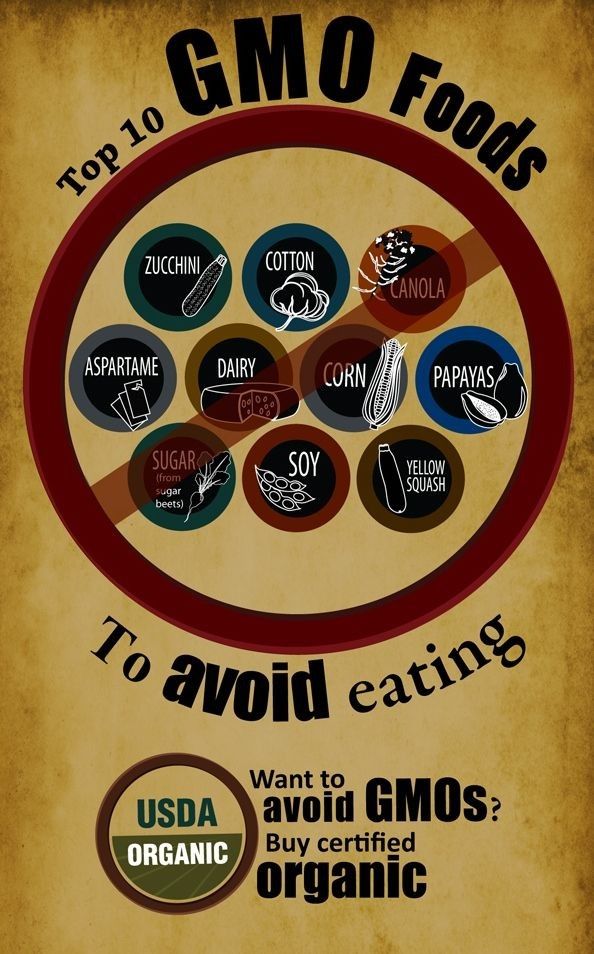
* Read labels carefully: Become a label detective! Take the time to scrutinize the ingredients and look for certifications like “Non-GMO” or “USDA Organic.”
* Choose whole, unprocessed foods: Focus on whole, unprocessed foods like fruits, vegetables, whole grains, and lean proteins. These are naturally free from GM ingredients and packed with nutrients.
* Shop locally and seasonally: Support local farmers and shop at farmer’s markets or through community-supported agriculture (CSA) programs. This will not only reduce your exposure to GM foods but also promote sustainable agriculture and boost your local economy.
* Cook from scratch: Ditch the convenience foods and take control of your kitchen! Cooking from scratch allows you to choose the ingredients and avoid GM foods altogether.
By incorporating these simple yet effective strategies into your daily life, you’ll be well on your way to breaking free from the GM food cycle and embracing a healthier, more sustainable diet. The power is in your hands – it’s time to take back control and start nourishing your body with the wholesome, natural foods it deserves.
11. The Future of Food: Is There a Way to Reverse the Damage?
As we reach deeper into the alarming reality of GM foods, it’s natural to wonder if there’s a way to reverse the damage that’s already been done. The good news is that there are steps being taken to reclaim our food systems and promote a healthier, more sustainable future. One of the most promising developments is the rise of alternative agriculture practices, such as regenerative farming and permaculture. These methods focus on building soil health, biodiversity, and ecosystem services, rather than relying on synthetic fertilizers and pesticides. By supporting these farmers and choosing to purchase their produce, we can begin to shift the food landscape away from GM dominance.
Another key player in the fight against GM foods is the growing movement of conscious consumers. As people become more aware of the hidden dangers of GM foods, they’re demanding change. This is evident in the surge of demand for non-GM and organic products, as well as the growing popularity of community-supported agriculture (CSA) programs. By voting with our wallets and making informed choices, we can send a powerful message to the food industry: that we want food that’s good for us, good for the planet, and free from the dangers of genetic modification.
Ultimately, the future of food is in our hands. By staying informed, making conscious choices, and supporting alternative agriculture practices, we can create a food system that prioritizes human health, environmental sustainability, and social justice. It’s time to take back control of our plates and reclaim our right to healthy, wholesome food. The future of food is uncertain, but one thing is clear: it’s up to us to shape it.
12. Conclusion: The Unseen Dangers of GM Food and What You Can Do About It
As we conclude our journey into the unseen dangers of GM food, it’s clear that the consequences of consuming genetically modified organisms are far-reaching and devastating. From the alarming rise of superweeds and pesticide-resistant pests to the potential health risks and unknown long-term effects, the evidence paints a disturbing picture. The truth is, we are unwittingly participating in a massive experiment, with our bodies as the test subjects.
But it’s not all doom and gloom. There are steps you can take to protect yourself and your loved ones from the insidious creep of GM food into our plates. By choosing organic, non-GM options, supporting local farmers, and demanding labeling and transparency from food manufacturers, you can take control of what you eat and reduce your exposure to these hidden dangers.
Furthermore, it’s essential to stay informed and vigilant, as the GM food industry is constantly evolving and adapting. By spreading awareness and educating others about the risks associated with GM food, we can collectively create a movement that demands change and promotes a safer, healthier food system.
The future of our food, and our health, is in our hands. Let’s take a stand against the unseen dangers of GM food and reclaim our right to safe, nutritious, and sustainable food. The time to act is now.
As we conclude this journey into the uncharted territories of genetically modified food, we hope that the veil of uncertainty has been lifted, and the hidden dangers lurking in the shadows of our plates have been exposed. The truth is out, and it’s time to take control of what we put into our bodies. By being informed and making conscious choices, we can break free from the grip of GM foods and reclaim our health. Remember, the power is in your hands, and the next time you sit down to eat, make sure you’re not unwittingly inviting a hidden menace to the table.
——————————
 fauxcroft
Leave a comment