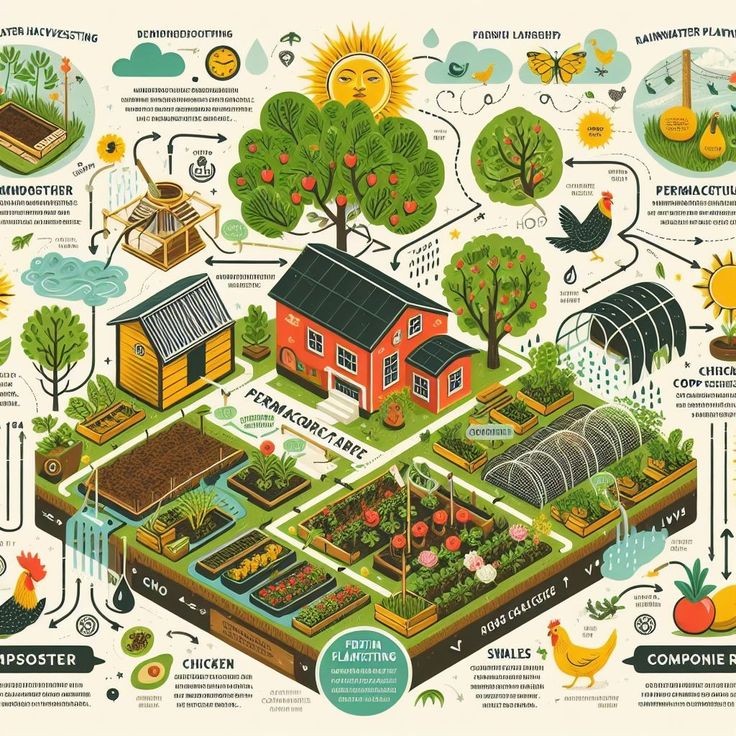
In an era where environmental concerns and food security are at the forefront of global discussions, the practice of permaculture emerges as a beacon of hope and innovation. This holistic approach to agriculture goes beyond mere farming; it represents a profound philosophy that harmonizes with nature, offering sustainable solutions to the challenges of modern food production. By mimicking natural ecosystems, permaculture not only enhances biodiversity but also improves soil health, conserves water, and reduces reliance on chemical inputs. In this blog post, we will explore the transformative benefits of permaculture, from its ability to create resilient food systems to its role in fostering community engagement and environmental stewardship. Join us as we delve into the principles of permaculture and discover how this sustainable practice can pave the way for a healthier planet and a more secure future for generations to come.
1. Introduction to Permaculture: Principles and Philosophy
Permaculture, a term that artfully intertwines “permanent” and “agriculture,” represents a holistic approach to land management and food production that draws inspiration from natural ecosystems. At its core, permaculture is not merely a set of techniques; it embodies a philosophy that advocates for sustainable living by designing agricultural systems that mimic the intricate relationships found in nature.
The principles of permaculture are grounded in the understanding that every element within an ecosystem has a purpose and contributes to the health of the whole. This leads to designs that are not only efficient but also resilient, capable of adapting to changing conditions and minimizing waste. Key tenets include observing and interacting with the environment, valuing renewable resources, and integrating rather than segregating different elements of the ecosystem.
Permaculture encourages the use of diverse crops that support one another, reduce reliance on chemical fertilizers and pesticides, and promote biodiversity. By creating a self-sustaining system, permaculture fosters a sense of stewardship towards the earth, urging practitioners to think critically about their choices and their impacts.
As we delve deeper into the transformative benefits of permaculture in food production, it becomes clear that this holistic approach not only nourishes the soil and the plants but also cultivates a profound connection between people and the land, paving the way for a more sustainable future.
2. The Importance of Sustainability in Food Production
In an era where the environmental impacts of traditional agriculture are becoming increasingly apparent, the importance of sustainability in food production cannot be overstated. With global populations on the rise and climate change posing significant threats to our ecosystems, the need for sustainable practices has shifted from a mere trend to an essential necessity. Sustainable food production prioritizes the health of the environment, communities, and economies, ensuring that we can meet present needs without compromising the ability of future generations to meet theirs.
Sustainable practices emphasize biodiversity, soil health, and responsible resource management. By adopting methods that work in harmony with nature—such as permaculture principles—farmers can enhance soil fertility, reduce reliance on chemical fertilizers and pesticides, and foster resilience against pests and diseases. This approach not only leads to healthier crops but also contributes to the preservation of vital ecosystems and habitats.
Moreover, sustainable food production promotes local economies and food sovereignty. By prioritizing local sourcing and organic practices, communities can reduce their carbon footprint, support small-scale farmers, and create a more equitable food system. This not only enhances food security but also strengthens community ties and fosters a deeper connection between consumers and their food sources.
Ultimately, the importance of sustainability in food production extends beyond agriculture; it touches every aspect of our lives. By embracing sustainable practices, we can cultivate a food system that nourishes both people and the planet, paving the way for a more equitable and sustainable future. In this journey, permaculture stands out as a transformative approach that harmonizes agricultural practices with ecological principles, leading us toward a more sustainable and regenerative food system.
3. How Permaculture Differs from Conventional Agriculture
Permaculture is not just an agricultural method; it’s a holistic approach to land management that profoundly contrasts with conventional agriculture. At its core, permaculture emphasizes working with nature rather than against it, fostering a sustainable ecosystem that thrives on diversity, resilience, and synergy.
In conventional agriculture, the focus often lies on monocultures—growing a single crop over large areas. This approach can lead to soil depletion, increased vulnerability to pests, and a reliance on chemical fertilizers and pesticides. In stark contrast, permaculture promotes polycultures, where multiple crops and plants coexist, supporting each other and creating a balanced ecosystem. This diversity not only enhances soil fertility but also attracts beneficial insects and wildlife, which can naturally control pests without the need for harmful chemicals.
Another significant difference is in the management of resources. Conventional farming often exploits water and soil, leading to erosion and depletion. Permaculture, however, prioritizes sustainable water management techniques, such as rainwater harvesting and swales, which help to retain moisture and prevent runoff. It also incorporates composting and natural mulching to enrich the soil, creating a self-sustaining environment that requires fewer external inputs.
Furthermore, permaculture is rooted in the concept of ethical design, prioritizing care for the earth, care for people, and fair share. This means that permaculture practitioners consider the social and ecological impacts of their practices, aiming to create systems that benefit both the environment and local communities. In conventional agriculture, the focus is often narrowed to yield maximization and profit, sometimes at the expense of social equity and ecological health.
In summary, while conventional agriculture often operates within a linear, extractive model, permaculture embraces a circular, regenerative approach. By fostering biodiversity, improving soil health, and enhancing community resilience, permaculture not only transforms food production but also lays the groundwork for a more sustainable and equitable future.
4. The Core Ethics of Permaculture: Earth Care, People Care, and Fair Share
At the heart of permaculture lies a triad of core ethics that guide its practices and principles: Earth Care, People Care, and Fair Share. These foundational beliefs not only promote sustainable agriculture but also cultivate a holistic approach to living in harmony with our environment and each other.
**Earth Care** emphasizes the need to nurture and protect the planet’s ecosystems. This principle advocates for practices that improve soil health, conserve water, and enhance biodiversity. By working with nature rather than against it, permaculture designs prioritize the regeneration of natural resources. For instance, implementing techniques like companion planting and natural pest control helps maintain ecological balance, ensuring that the land remains fertile and productive for generations to come.
**People Care** underscores the importance of community and the well-being of individuals. Permaculture encourages us to create systems that support and nourish people, both physically and emotionally. This can manifest in community gardens, where neighbors come together to grow food, share knowledge, and foster social connections. By prioritizing human needs, permaculture cultivates an inclusive environment where everyone has access to healthy food and resources, contributing to overall societal resilience.
Lastly, the **Fair Share** ethic advocates for equitable distribution of resources and the careful management of surplus. This principle reminds us that while we strive for abundance, it is crucial to share the fruits of our labor with both our community and the planet. Whether through donating excess produce to local food banks or implementing practices that ensure fair labor conditions, Fair Share promotes a sense of responsibility towards others and encourages ethical consumption habits.
Together, these three core ethics create a framework for sustainable living that transcends mere agricultural practices. They serve as guiding principles that can transform not just our approach to food production, but our entire relationship with the world around us. By integrating Earth Care, People Care, and Fair Share into our daily lives, we can sow the seeds of a more sustainable future for ourselves and for generations to come.
5. Designing a Permaculture Garden: Key Elements to Consider
Designing a permaculture garden is a rewarding endeavor that harmonizes conscious planning with the natural rhythms of the environment. As you embark on this journey, there are several key elements to consider that will not only enhance the productivity of your garden but also foster a sustainable ecosystem.
**1. Zoning:** Start by mapping out your space according to zones, with the most frequently accessed areas closest to your home. This allows for easy maintenance and harvesting. Zone 1 might include herbs and salad greens, while further out, you can include fruit trees and larger crops.
**2. Water Management:** Consider how water flows through your garden. Incorporate swales, ponds, or rain gardens to capture and manage rainfall effectively. These features not only provide irrigation but also create habitats for wildlife, enhancing biodiversity.
**3. Companion Planting:** Think about the relationships between different plants. Certain combinations can boost growth, deter pests, and enhance flavors. For example, planting basil near tomatoes can improve their taste and repel harmful insects, creating a symbiotic relationship that benefits both plants.
**4. Soil Health:** The foundation of a thriving permaculture garden is healthy soil. Focus on building rich, organic matter through composting, cover cropping, and mulching. This not only nourishes your plants but also promotes beneficial microorganisms that help maintain a balanced ecosystem.
**5. Polyculture Systems:** Embrace diversity by integrating a variety of plants. This can prevent pest outbreaks and disease while maximizing productivity. A mix of perennials, annuals, and even livestock can create a resilient system that mimics nature’s own patterns.
**6. Energy Flow:** Observe the sunlight and wind patterns in your garden. Strategically placing taller plants to shield smaller ones from harsh winds or using fencing and structures to create microclimates can optimize conditions for growth.
By thoughtfully considering these elements, you can design a permaculture garden that not only produces abundant food but also contributes positively to the environment. The beauty of permaculture lies in its ability to create a self-sustaining system, where every element plays a role, fostering a resilient ecosystem that nourishes both the land and its caretakers. As you cultivate your garden, you’ll find that the principles of permaculture extend beyond just food production—they inspire a deeper connection to nature and a commitment to sustainability.
6. Soil Health: Building Fertile Ground through Permaculture Practices
Soil health is the foundation upon which all successful food production stands, and permaculture practices offer a revolutionary approach to nurturing and revitalizing our earth. At the heart of permaculture is the understanding that healthy soil is alive—teeming with organisms that work symbiotically to break down organic matter, cycle nutrients, and support plant life. By implementing permaculture techniques, we can cultivate this life-giving resource, transforming barren land into fertile ground.
One of the key principles of permaculture is the use of cover crops and green manures. These plants are not merely a means to an end; they play a crucial role in enriching the soil. When left to decompose, they add vital nutrients back into the ground, improve soil structure, and enhance moisture retention. This practice reduces the need for synthetic fertilizers, which can lead to soil degradation and water pollution.
Moreover, permaculture emphasizes the importance of biodiversity. By incorporating a variety of plants, including perennials and native species, we create a resilient ecosystem that fosters beneficial insects and microorganisms. This natural balance not only enhances soil fertility but also reduces pests and diseases, creating a healthier environment for crops to thrive.
Additionally, permaculture encourages the practice of mulching—covering the soil with organic materials such as straw, leaves, or wood chips. Mulching serves multiple purposes: it helps retain moisture, suppresses weeds, and gradually enriches the soil as it decomposes. This simple yet effective practice exemplifies the permaculture philosophy of working with nature rather than against it.
In summary, the transformative benefits of permaculture in building soil health are undeniable. By focusing on sustainable practices that enhance soil fertility, we can ensure that our food production systems are not only productive but also restorative to the planet. As we sow the seeds of sustainability, we pave the way for a greener future—one where our agricultural practices nourish the earth as much as they nourish us.
7. Companion Planting: Maximizing Biodiversity for Better Yields
Companion planting is a cornerstone of permaculture, harnessing the natural relationships between plants to foster a thriving ecosystem in your garden. This practice involves strategically placing different plants in proximity to each other, allowing them to support and enhance one another’s growth. By maximizing biodiversity, companion planting minimizes pests, improves soil health, and ultimately leads to better yields.
For instance, the classic pairing of tomatoes and basil is not just a culinary match made in heaven; they also thrive when grown together. Basil repels pests like aphids and whiteflies that can plague tomatoes, while tomatoes provide structural support for basil as it grows. This symbiotic relationship reduces the need for chemical pesticides and promotes healthier plants.
Additionally, incorporating nitrogen-fixing plants such as legumes can enrich the soil, providing essential nutrients that benefit neighboring crops. Marigolds, often planted alongside vegetables, not only add vibrant color to your garden but also deter nematodes and other harmful insects.
Moreover, companion planting encourages a diverse habitat that attracts beneficial insects, such as pollinators and predatory species that keep harmful pests at bay. By creating a balanced ecosystem, you can enjoy a more resilient garden that thrives on natural processes rather than synthetic inputs.
As you delve into the world of companion planting, you’ll discover that every plant has a role to play, and the more diverse your garden, the more robust and productive it becomes. Embracing this approach not only supports the health of your food production but also contributes to the sustainability of the larger ecosystem. As you sow your seeds, remember that the relationships you cultivate in your garden can yield transformative results, creating a flourishing environment that benefits both you and the planet.
8. Water Management: Strategies for Sustainable Irrigation
Water management is a cornerstone of sustainable irrigation practices, especially within the framework of permaculture. With climate change presenting increasingly erratic weather patterns, effective water management has become more crucial than ever for maintaining resilient food production systems. Permaculture promotes a holistic approach to water, emphasizing conservation, efficiency, and the natural cycles of the ecosystem.
One of the most effective strategies is the implementation of swales—shallow, dish-shaped ditches designed to capture and distribute rainwater. By strategically placing these contours on a landscape, swales slow down water runoff, allowing it to percolate into the soil and recharge groundwater supplies. This method not only reduces erosion but also enhances soil fertility, creating a sustainable water source for plants during dry spells.
Another innovative technique is the use of rainwater harvesting systems. By collecting and storing rainwater from roofs and other surfaces, farmers can create a reliable, renewable source of irrigation. This practice minimizes reliance on municipal water supplies and decreases the environmental impact associated with traditional irrigation methods. Additionally, incorporating drip irrigation systems can significantly enhance water efficiency. This method delivers water directly to the plant roots, reducing evaporation and runoff while ensuring that crops receive the moisture they need to thrive.
Moreover, permaculture encourages the creation of diverse plant guilds that work synergistically. Certain plants have deep root systems that can tap into groundwater, while others may require less water or have adaptations for drought resistance. This diversity not only maximizes water use efficiency but also promotes a healthier ecosystem, as plants support each other in nutrient uptake and pest management.
Lastly, regular monitoring and adjustment of water management practices are essential. By observing how water flows through your landscape, you can refine your strategies to align with the natural topography and soil characteristics, ensuring that each drop of water is utilized to its fullest potential.
Incorporating these sustainable irrigation strategies not only conserves water but also builds resilience in food production systems, ultimately leading to healthier ecosystems and communities. By embracing the principles of permaculture, we can cultivate a future where both people and the planet thrive.
9. The Role of Perennials in Permaculture Systems
In the intricate tapestry of permaculture systems, perennials play a pivotal role that extends far beyond mere aesthetics; they are the backbone of sustainable food production. Unlike annual crops that require replanting each season, perennials are plants that live for several years, returning to life season after season. This characteristic allows them to become well-established, developing deep root systems that enhance soil health, reduce erosion, and improve resilience against drought and flooding.
The integration of perennials into permaculture designs brings a multitude of benefits. For one, they require significantly less input in terms of labor and resources. Once established, these plants need less watering, weeding, and fertilizing, allowing growers to focus on other aspects of their permaculture systems. This not only leads to a more efficient use of time and energy but also minimizes the need for synthetic inputs, aligning perfectly with the principles of sustainability.
Moreover, perennials contribute to biodiversity, providing habitat and food for a variety of wildlife, including pollinators that are essential for many crops. This rich ecosystem helps to create a balanced environment, reducing the likelihood of pest outbreaks and diseases that can devastate annual crops. The biodiversity fostered by perennials also enhances the resilience of the ecosystem, making it better equipped to withstand the challenges posed by climate change.
In terms of food production, perennials can offer a continuous harvest throughout the seasons. Fruits, nuts, and even leafy greens from perennial plants can be harvested year after year, providing a steady supply of nutritious food that reduces dependency on annual crops. This not only supports food security but also enables communities to enjoy a diverse diet rich in flavors and health benefits.
Incorporating perennials into permaculture systems is a powerful strategy for sustainable food production. Their ability to enrich the soil, promote biodiversity, and provide long-term yields creates a more resilient food system that can thrive in harmony with nature. As we continue to seek solutions to the challenges of modern agriculture, embracing the role of perennials may well be one of the most transformative steps we can take towards a sustainable future.
10. Case Studies: Successful Permaculture Projects Around the World
Exploring the tangible impacts of permaculture through real-world examples provides invaluable insight into its transformative potential in food production. Across the globe, innovative projects showcase how permaculture principles can lead to sustainable, resilient agricultural systems that not only benefit the environment but also empower local communities.
One notable case is the **Zaytuna Farm** in Australia, founded by renowned permaculture designer Geoff Lawton. This 66-acre site serves as a living classroom, demonstrating the effectiveness of permaculture practices. By integrating holistic water management, diverse plant systems, and animal husbandry, Zaytuna has transformed its landscape into a thriving ecosystem. The farm produces an abundance of food while also improving soil health and biodiversity, proving that sustainable practices can yield impressive harvests.
In the heart of **Tanzania**, the **Permaculture Research Institute** (PRI) has implemented strategies to combat food insecurity in rural communities. Through a combination of agroforestry and regenerative agriculture, local farmers have witnessed increased yields and improved soil fertility. The PRI emphasizes community-led initiatives, empowering farmers to adopt permaculture techniques that suit their unique environments, thus fostering resilience against climate change.
Meanwhile, in **Hawaii**, the **Kumu Aina** project showcases the integration of traditional Hawaiian agricultural practices with modern permaculture techniques. By reintroducing native plants and enhancing soil health through mulch and compost, Kumu Aina supports local food sovereignty while respecting cultural heritage. This project has not only revitalized local ecosystems but has also created a model for community engagement and education around sustainable practices.
These case studies illustrate a common thread: permaculture is not merely a farming technique but a holistic approach that promotes environmental stewardship and community well-being. As we delve deeper into these successful projects, it becomes clear that the principles of permaculture can lead to a more sustainable and equitable food system, inspiring others to adopt similar practices worldwide. The transformative benefits of permaculture extend beyond the fields, paving the way for a harmonious relationship between people and nature.
11. The Economic Benefits of Permaculture in Local Food Systems
Permaculture is not just an environmentally friendly approach to agriculture; it also offers a wealth of economic benefits, particularly within local food systems. By embracing permaculture principles, communities can cultivate resilience and economic independence, allowing them to thrive in a world of fluctuating markets and uncertain supply chains.
One of the most significant economic advantages of permaculture is the reduction in input costs. By designing systems that work harmoniously with nature, permaculture practices minimize the need for expensive fertilizers, pesticides, and herbicides. Instead, they focus on using natural resources, such as compost, cover crops, and indigenous plants, which can be sourced locally. This shift not only cuts expenses for farmers but also encourages the use of local resources, keeping financial investments within the community.
Furthermore, permaculture systems often yield higher biodiversity, which can lead to a variety of crops and products available for sale. This diversification not only provides farmers with multiple income streams but also enhances food security for local populations. By producing a range of fruits, vegetables, herbs, and even livestock, farmers can meet the diverse needs of their communities and participate in farmers’ markets, local cooperatives, and direct-to-consumer sales channels. This community-centered approach not only strengthens local economies but also fosters relationships between producers and consumers, creating a loyal customer base invested in supporting local agriculture.
Permaculture also provides opportunities for education and job creation. As communities adopt these sustainable practices, they often require skilled workers, educators, and volunteers to help implement and maintain permaculture systems. This can lead to the establishment of training programs, workshops, and internships, providing valuable skills and employment opportunities for local residents. In turn, these initiatives can stimulate local economies and encourage a culture of sustainability that attracts eco-conscious consumers.
In summary, the economic benefits of permaculture in local food systems extend far beyond individual farms. By fostering sustainable practices, communities can reduce costs, diversify income, create jobs, and build resilient local economies that thrive in harmony with the environment. As more individuals recognize the transformative power of permaculture, the potential for sustainable economic growth becomes not just a vision, but a reality.
12. Community Engagement: How Permaculture Fosters Connection
Community Engagement: How Permaculture Fosters Connection
Permaculture is more than just an agricultural practice; it’s a philosophy that encourages collaboration, connection, and community building. At its core, permaculture seeks to create sustainable systems that work harmoniously with nature, and this ethos extends to the people who engage with it. When individuals come together to practice permaculture, they cultivate not only their gardens but also their relationships, fostering a sense of belonging and shared purpose.
Imagine a neighborhood where everyone participates in a community garden, working side by side to plant, nurture, and harvest fresh produce. This collaborative effort not only yields healthy food but also strengthens the bonds between neighbors. As people share their knowledge, skills, and resources, they become more than just acquaintances; they become a supportive network, united by a common goal. The process of learning together—whether it’s experimenting with heirloom seeds, composting methods, or natural pest control—creates a rich tapestry of shared experiences and stories that enhance the community’s social fabric.
Moreover, permaculture projects often involve workshops, volunteer days, and social gatherings that bring people together. These events provide opportunities for skill exchange, where community members can teach each other valuable practices, from organic gardening techniques to sustainable cooking methods. Such interactions not only empower individuals with knowledge but also instill a sense of pride in contributing to a larger cause—one that emphasizes sustainability and resilience.
Additionally, permaculture encourages a deep respect for local ecosystems, leading to a collective commitment to environmental stewardship. This shared responsibility fosters a culture of mindfulness and care, prompting community members to be more conscious of their consumption habits and the impact they have on the planet. As communities unite under the principles of permaculture, they create a powerful ripple effect, inspiring others to embrace sustainable practices and fostering a collective movement towards a healthier environment.
In essence, permaculture is a catalyst for community engagement. By creating spaces for collaboration, education, and connection, it nurtures relationships that extend beyond the garden, promoting a sense of unity and shared responsibility that is essential for building resilient communities. As we sow the seeds of sustainability through permaculture, we cultivate not only a thriving ecosystem but also a vibrant, interconnected community that can weather the challenges of our time together.
13. Challenges and Solutions in Implementing Permaculture Practices
Implementing permaculture practices in food production is a powerful step towards sustainability, but it does come with its own set of challenges. Understanding these hurdles is essential for aspiring permaculturists who want to cultivate a thriving ecosystem while producing food responsibly.
One of the primary challenges is the initial investment of time and resources. Transitioning from conventional farming methods to permaculture often requires substantial planning and groundwork. Many farmers may find it difficult to shift their established practices, especially if they are accustomed to quick returns from monoculture systems. However, this challenge can be addressed through education and community support. Workshops, online courses, and local permaculture groups can provide the knowledge and encouragement needed to make this transition smoother.
Another significant hurdle is the variability of climate and soil conditions. Permaculture relies heavily on understanding local ecosystems and working with nature, which can be daunting for those used to standardized approaches. To overcome this, practitioners can conduct thorough site assessments and soil tests, allowing them to tailor their designs to their specific environment. Utilizing native plants and integrating diverse crops can also enhance resilience against climate fluctuations.
Pest management is another concern that permaculture practitioners might face. While traditional methods often rely on chemicals, permaculture promotes a more holistic approach that focuses on biodiversity and natural pest deterrents. This can be a learning curve, as it requires an understanding of ecosystem dynamics. By embracing companion planting, beneficial insects, and natural repellents, farmers can effectively manage pests while fostering a healthier environment.
Lastly, there can be a cultural challenge in adopting permaculture practices, particularly in communities where conventional farming is deeply rooted. Changing mindsets and overcoming skepticism can take time. Engaging with the community through open dialogues, demonstrating successful case studies, and inviting people to experience the benefits firsthand can create a ripple effect, inspiring others to consider permaculture as a viable alternative.
In conclusion, while implementing permaculture practices in food production may present challenges, each obstacle also offers unique opportunities for learning, innovation, and community engagement. By approaching these challenges with creativity and collaboration, we can harness the transformative benefits of permaculture, paving the way for a more sustainable future in food production.
14. How to Get Started with Your Own Permaculture Garden
Starting your own permaculture garden can be an incredibly rewarding journey that not only benefits you but also the environment. The beauty of permaculture lies in its holistic approach, integrating natural ecosystems with sustainable agriculture. Here’s a concise roadmap to help you embark on this transformative endeavor.
**1. Educate Yourself:** Before digging in, take the time to understand the principles of permaculture. Read books, watch documentaries, and follow online courses to familiarize yourself with concepts like the ethics of permaculture, the importance of biodiversity, and the techniques of companion planting.
**2. Observe Your Space:** Spend time observing your chosen area. Take note of sunlight patterns, wind direction, soil quality, and existing flora and fauna. This observation phase is crucial, as it allows you to work with the natural characteristics of your land rather than against them.
**3. Design Your Garden:** Using the insights gathered, start sketching a design for your garden. Consider implementing zones that reflect the different uses of space—such as the kitchen garden, herb spirals, and fruit trees—while keeping in mind the concept of layering to maximize productivity. Think about water management too, incorporating elements like swales or rain gardens to capture and utilize rainwater.
**4. Start Small:** If you’re new to gardening, it’s wise to start small. A few raised beds or containers can be a perfect way to cultivate your initial crops without feeling overwhelmed. As you gain confidence and experience, you can gradually expand your garden.
**5. Build Healthy Soil:** Healthy soil is the foundation of any successful permaculture garden. Consider using organic matter, such as compost or worm castings, to enrich your soil. Implementing techniques like sheet mulching can also help improve soil health while suppressing weeds.
**6. Choose the Right Plants:** Select plants that are well-suited to your climate and soil conditions. Incorporate a mix of annuals and perennials, and don’t shy away from native plants that support local wildlife. Companion planting will enhance growth and deter pests naturally.
**7. Embrace Diversity:** A diverse garden is a resilient garden. By planting a variety of species, you can create a balanced ecosystem that mitigates the risk of disease and pest outbreaks. Diversity also encourages beneficial insects and pollinators to thrive in your garden.
**8. Maintain and Observe:** As your garden grows, continue to observe its dynamics. Make adjustments as needed and embrace the learning process. Permaculture is about long-term sustainability, so be patient and allow your garden to evolve naturally over time.
By following these steps, you can cultivate a thriving permaculture garden that not only nourishes your body with fresh produce but also contributes to a healthier planet. Enjoy the journey of connecting with nature, and witness the transformative benefits unfold in your own backyard.
15. Conclusion: The Future of Food Production through Permaculture Principles
As we stand at the crossroads of a rapidly changing climate and an ever-increasing global population, the need for sustainable food production methods has never been more pressing. Permaculture offers a holistic approach that not only addresses the challenges of modern agriculture but also aligns with the principles of ecological stewardship and community resilience. By mimicking natural ecosystems, permaculture emphasizes the importance of biodiversity, soil health, and resource conservation, creating a sustainable framework for food production that can thrive for generations.
The future of food production through permaculture principles is not just an ideal; it is a tangible movement gaining momentum across the globe. Farmers, gardeners, and communities are embracing these practices to cultivate food systems that are both productive and sustainable. This shift towards permaculture is fostering a deeper connection between people and the land, encouraging us to view food not merely as a commodity but as a vital element of our ecosystem and community wellbeing.
By integrating permaculture principles into our food production systems, we can significantly reduce our reliance on synthetic inputs, enhance our resilience to climate change, and regenerate the very resources that sustain us. From urban gardens that transform vacant lots into green havens to expansive farms that adopt agroecological practices, the possibilities are as diverse as the ecosystems they emulate.
In conclusion, as we sow the seeds of sustainability through permaculture, we are not only planting for ourselves but for future generations. The transformative benefits of these practices extend beyond the individual, fostering a culture of sustainability that can reshape our relationship with food and the environment. Together, let’s embrace this paradigm shift, nurturing a future where food production thrives in harmony with nature, ensuring a healthy planet and a nourished populace for years to come.
As we wrap up our exploration of permaculture and its transformative role in sustainable food production, it’s clear that this holistic approach not only nurtures the land but also fosters vibrant communities and healthier ecosystems. By embracing permaculture principles, we can cultivate a deeper connection to the earth while simultaneously addressing pressing issues like food security and environmental degradation. Whether you’re a seasoned gardener or just beginning your journey, the techniques discussed in this post offer valuable tools to create resilient, productive spaces that harmonize with nature. So, let’s take these insights to heart, roll up our sleeves, and sow the seeds of sustainability in our own backyards and beyond. Together, we can nurture a future where food production is as kind to the planet as it is nourishing to our bodies. Happy planting!
——————————
Image courtesy of pinterest
 fauxcroft
Leave a comment