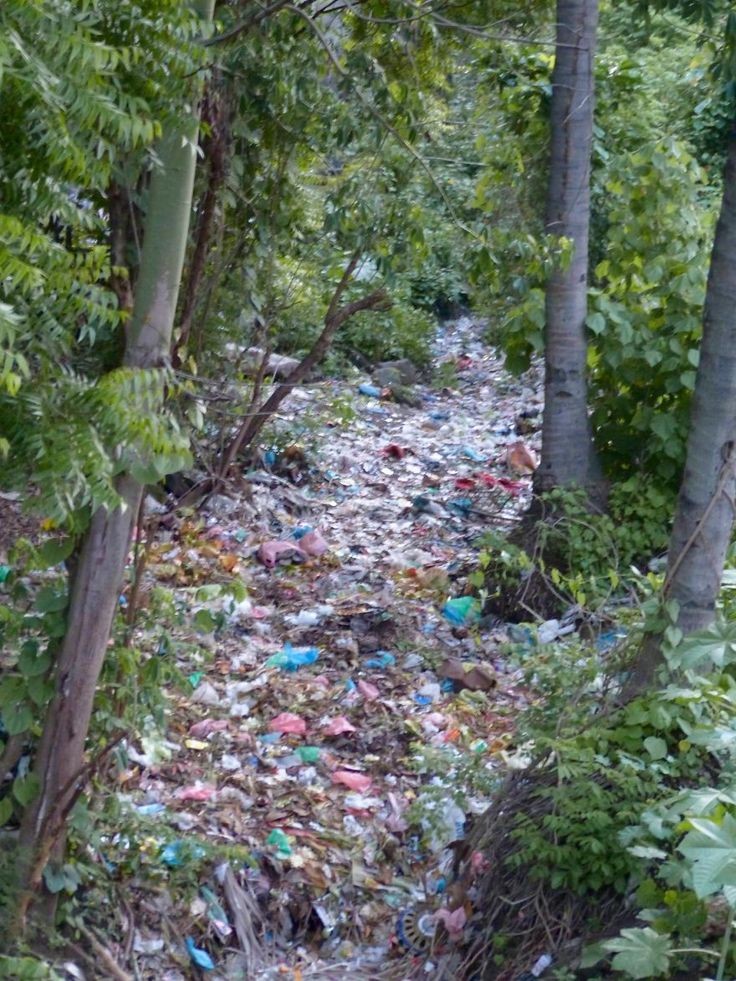
As the world increasingly prioritizes economic growth, our rivers and seas are paying the price for unchecked corporate ambitions. Once pristine waterways, teeming with life and vital to our ecosystems, are now facing a crisis of pollution that threatens their very existence. In this blog post, we will explore the complex interplay between profit-driven industries and environmental degradation, shedding light on how corporate practices have contributed to the alarming decline of aquatic habitats. From toxic waste dumping to plastic pollution, we will delve into the stark realities of how our quest for convenience and profit has led to devastating consequences for marine life and human health alike. Join us as we navigate the murky waters of corporate responsibility, environmental ethics, and the urgent need for change to protect our precious rivers and seas before it’s too late.
1. Introduction: Understanding the Corporate Crisis
In recent decades, the world has witnessed an alarming transformation of our rivers and seas, a stark reminder of the delicate balance between profit and environmental responsibility. This crisis, often overshadowed by the relentless pursuit of economic growth, underscores the profound impact that corporate activities have on our aquatic ecosystems. As industries expand and production intensifies, the waterways that once thrived with biodiversity are increasingly becoming dumping grounds for waste and pollution.
Understanding this corporate crisis requires a deeper dive into the practices that prioritize short-term gains over long-term sustainability. From the textile factories that discharge toxic dyes into nearby rivers to the oil spills that devastate marine life, the consequences of corporate negligence are far-reaching. Not only do these actions threaten the health of our planet, but they also endanger the livelihoods of communities dependent on clean water for fishing, recreation, and agriculture.
Moreover, the narrative of profit often overshadows the voices of environmental activists who tirelessly advocate for the preservation of our natural resources. As corporations continue to wield significant influence over policy decisions, the need for transparency and accountability becomes ever more critical. This blog aims to shed light on the intricate relationship between corporate practices and environmental degradation, exploring the urgent need for change in an era where the health of our rivers and seas hangs in the balance. Join us as we embark on a journey to unravel the complexities of this crisis, highlighting the importance of sustainable practices that respect the ecosystems we rely on for our very survival.
2. The Historical Context of River and Sea Pollution
To fully grasp the magnitude of the pollution crisis affecting our rivers and seas today, it is essential to delve into the historical context that has shaped our waterways over the centuries. From the dawn of civilization, rivers and seas have been viewed not just as vital resources, but as conduits for economic growth and industrial advancement. Ancient civilizations thrived alongside these water bodies, utilizing them for transportation, agriculture, and sustenance. However, as societies evolved, so too did their relationship with these natural resources.
The Industrial Revolution marked a significant turning point. Factories sprang up along riverbanks, their smokestacks belching fumes into the air while their effluent flowed directly into nearby waters. This marked the beginning of a chronic disregard for the health of our rivers and seas, as the drive for profit often overshadowed environmental concerns. The rapid urbanization and population growth that accompanied this period further exacerbated the issue, leading to increased waste and pollution entering our waterways.
By the mid-20th century, the consequences of this negligence became starkly apparent. Rivers once teeming with life became toxic cesspools, while coastal areas suffered from the fallout of industrial runoff and waste disposal practices. The infamous Cuyahoga River fire in 1969, which captured national attention, served as a wake-up call, highlighting the dire state of our natural environments.
As pollution continued to escalate, so did public awareness and concern. The late 20th century saw the emergence of environmental movements, with activists advocating for cleaner practices and the protection of waterways. Legislation such as the Clean Water Act emerged in response to the growing crisis, aiming to regulate pollutants and restore the health of our rivers and seas. However, despite these efforts, the struggle continues, as corporate interests often collide with environmental protections, leaving many waterways still grappling with the legacy of pollution.
Today, the historical context of river and sea pollution serves as both a cautionary tale and a catalyst for change. Understanding this narrative is crucial as we seek to address the ongoing crisis and forge a sustainable path forward for our precious water resources. The lessons learned from our past must inform our present actions, ensuring that profit does not come at the expense of the very ecosystems that support life on Earth.
3. The Role of Corporations in Environmental Degradation
In today’s world, the stark contrast between profit margins and environmental responsibility is becoming increasingly evident. Corporations, driven by the relentless pursuit of profit, often prioritize short-term financial gain over long-term ecological health. This has led to a troubling trend of environmental degradation, particularly in our rivers and seas, which serve as vital ecosystems for countless species and a source of sustenance for millions.
Corporations have historically contributed to pollution in various ways, from the discharge of untreated waste into waterways to the use of harmful chemicals in production processes. Factories located near rivers frequently release toxic substances that can devastate aquatic life and disrupt local ecosystems. For instance, heavy metals and microplastics, often found in industrial runoff, accumulate over time, leading to bioaccumulation in fish and other marine organisms. These pollutants not only threaten biodiversity but also pose significant health risks to humans who rely on these water bodies for food and recreation.
Moreover, the fishing industry, while essential for many communities, can also play a role in environmental degradation. Overfishing, driven by demand for seafood, results in the depletion of fish stocks, which disrupts the balance of marine ecosystems. Additionally, practices such as bottom trawling damage the seafloor habitats and release sediments that cloud waters, further endangering marine life.
The impact of corporate activity extends beyond direct pollution; it also encompasses the broader challenge of climate change. Many corporations contribute to greenhouse gas emissions through their operations, exacerbating global warming and its associated effects on ocean temperatures and acidity levels. These changes not only affect marine biodiversity but also disrupt the livelihoods of those dependent on healthy aquatic ecosystems.
In light of these challenges, there is a growing demand for corporate accountability and sustainable practices. Consumers and advocacy groups are increasingly calling for transparency regarding environmental impact, pushing for corporations to adopt eco-friendly alternatives and invest in cleaner technologies. The tide is slowly turning, but it requires a collective effort to hold corporations accountable for their role in environmental degradation and to foster a culture of sustainability that prioritizes the health of our rivers and seas for generations to come.
4. Case Studies: Notable Examples of Pollution by Corporations
The devastating impact of corporate pollution on our rivers and seas has been vividly illustrated in a number of high-profile case studies that underscore the urgent need for accountability and reform. One of the most notorious examples is the 1969 Cuyahoga River fire in Ohio, where decades of industrial waste and oil slicks accumulated on the surface ignited, capturing national attention and sparking a movement for environmental regulation. This event not only led to the establishment of the Environmental Protection Agency (EPA) but also highlighted the dire consequences of unchecked corporate irresponsibility.
Another striking case is the 2010 Deepwater Horizon oil spill, which released approximately 4.9 million barrels of crude oil into the Gulf of Mexico. This catastrophic event, caused by a blowout on an offshore drilling rig operated by BP, devastated marine ecosystems, killed thousands of marine animals, and severely impacted local fishing economies. The long-lasting effects of this disaster serve as a grim reminder of the fragility of our oceans and the critical need for corporations to prioritize ecological safety over profit margins.
In addition, the textile industry provides a sobering example of pollution through the case of the Samtse River in Bhutan. Textile factories, seeking to cut costs, often dump dyes and chemicals directly into local waterways, resulting in severe contamination and harming both aquatic life and the communities that rely on these water sources. This situation exemplifies how the pursuit of cheap production methods can lead to dire environmental consequences, particularly in developing regions where regulatory frameworks may be lax.
These case studies highlight a crucial truth: corporate actions have far-reaching effects on our natural resources. They serve as powerful reminders that the path to sustainability requires a collective commitment to responsible practices and the protection of our planet’s precious ecosystems. As consumers become more aware of these issues, the pressure on corporations to adopt environmentally friendly policies will only intensify, marking a pivotal moment in the fight against pollution.
5. The Impact of Pollution on Marine Life and Ecosystems
The impact of pollution on marine life and ecosystems is profound and far-reaching, creating a ripple effect that threatens the delicate balance of aquatic environments. From the majestic whales that navigate our oceans to the tiniest plankton that form the bedrock of the marine food web, every facet of marine life is affected by the contaminants that find their way into our waters.
Chemical pollutants, such as heavy metals, pesticides, and microplastics, accumulate in the bodies of marine organisms, creating a toxic chain reaction. As larger predators consume smaller fish, the concentration of these harmful substances intensifies, often leading to severe health issues, reproductive failures, and even death. Endangered species, such as sea turtles and many species of fish, face an uphill battle for survival as their habitats are tainted with waste, and their food sources dwindle.
Moreover, pollution disrupts the intricate ecosystems that sustain marine life. Coral reefs, often referred to as the rainforests of the sea, are particularly vulnerable. Pollution contributes to coral bleaching, a phenomenon where corals expel the algae that provide them with nutrients, leaving them weak and susceptible to disease. The loss of these vibrant ecosystems not only affects the myriad of species that rely on them but also impacts coastal communities that depend on healthy oceans for their livelihoods, from fishing to tourism.
Furthermore, the introduction of invasive species, often facilitated by ships discharging ballast water, can lead to the decline of native species and a shift in ecosystem dynamics. This alteration can result in reduced biodiversity, which is crucial for the resilience of marine ecosystems against environmental changes.
As we witness the alarming effects of pollution on our oceans, it becomes increasingly clear that immediate action is required. Protecting marine life and restoring ecosystems is not just an environmental imperative; it is essential for the health of our planet and the future of humanity. By understanding the intricate connections between pollution and marine ecosystems, we can better advocate for policies and practices that prioritize the protection of our precious water bodies, ensuring their vitality for generations to come.
6. Economic Consequences: How Pollution Affects Local Communities
The profound economic consequences of pollution extend far beyond the immediate environmental impact, infiltrating the very fabric of local communities. As rivers and seas become increasingly tainted, the livelihoods of those dependent on these water bodies are placed in jeopardy. Fishermen, once able to cast their nets with confidence, now find their catches dwindling, plagued by toxic contaminants that render their haul unsafe for consumption. This not only threatens their income but also places a strain on regional markets reliant on fresh seafood, leading to rising prices and diminished availability.
Moreover, communities that thrive on tourism suffer immensely from polluted waterways. Pristine beaches and crystal-clear lakes are transformed into unattractive destinations, driving away tourists and the revenue they bring. Local businesses, from restaurants to hotels, experience a sharp decline in patronage, forcing many to close their doors or scale back operations. The ripple effect is devastating, as jobs are lost and economic stability is threatened.
Healthcare costs also rise as pollution leads to increased rates of illness among residents. Contaminated water sources are linked to various health problems, prompting higher medical expenses and a burden on local healthcare systems. Families find themselves grappling with the dual challenge of dealing with health issues while also facing economic instability, creating a cycle of poverty and despair.
In essence, the economic consequences of pollution weave a complex web that ensnares local communities, jeopardizing their health, livelihoods, and future. It’s a stark reminder that the fight against pollution is not just an environmental issue; it’s a battle for economic survival and community resilience.
7. The Regulatory Landscape: Laws and Policies on Water Pollution
Navigating the complex regulatory landscape surrounding water pollution is crucial for understanding how corporate practices impact our rivers and seas. Over the years, various laws and policies have been established to safeguard aquatic environments, yet enforcement and compliance remain significant challenges. The Clean Water Act, for instance, sets the foundation for regulating discharges of pollutants into the waters of the United States, aiming to restore and maintain the integrity of the nation’s waters. However, loopholes and inadequate funding often hinder effective implementation.
Internationally, agreements such as the United Nations Convention on the Law of the Sea (UNCLOS) seek to address pollution from land-based sources, but adherence varies widely among countries. In many cases, developing nations lack the resources to enforce existing regulations, allowing industries to exploit natural resources with little regard for environmental consequences.
Moreover, corporate influence on policy-making can lead to watered-down regulations that prioritize economic growth over environmental protection. This dynamic creates a troubling paradox: while governments aim to attract businesses and stimulate economic development, they may inadvertently compromise the health of vital water ecosystems.
As awareness grows regarding the detrimental effects of water pollution, movements advocating for stricter regulations and corporate accountability are gaining momentum. Grassroots organizations, scientists, and concerned citizens are increasingly calling for transparency and action, urging corporations to adopt sustainable practices that prioritize the health of our rivers and seas. To truly tackle the crisis of pollution, a concerted effort is needed—one that harmonizes economic interests with the urgent necessity of preserving our precious water resources for future generations.
8. Corporate Social Responsibility: Do Companies Care?
In today’s corporate landscape, the concept of Corporate Social Responsibility (CSR) has gained significant traction, prompting companies to reassess their roles beyond mere profit generation. But the pressing question remains: do companies genuinely care about the environmental crises affecting our rivers and seas, or is this just a façade to enhance their public image?
Many corporations have adopted CSR policies that tout their commitment to sustainability and environmental stewardship. They often promote initiatives aimed at reducing waste, minimizing carbon footprints, and supporting local communities. Public relations campaigns boast about clean-up drives and partnerships with environmental organizations, painting a picture of corporate altruism. However, the reality can be starkly different.
While some companies take meaningful steps toward protecting aquatic ecosystems, others use CSR as a marketing tool, engaging in “greenwashing” — a practice where they exaggerate or fabricate their environmental efforts. These companies may invest in flashy advertising and campaigns that highlight their eco-friendly initiatives while contributing to pollution through unsustainable practices behind the scenes.
A closer examination reveals that many industries still prioritize short-term profits over long-term ecological health. Regulations may be skirted, and harmful chemicals dumped into rivers and oceans, all in the name of cost-cutting. This discrepancy raises a critical dilemma: when profit margins are at stake, how far will companies go to uphold their CSR commitments?
Ultimately, the effectiveness of CSR hinges on transparency and accountability. Consumers are increasingly aware of the impact of corporate actions on the environment, demanding authenticity and genuine commitment to ecological preservation. As the crisis of pollution in our rivers and seas worsens, the spotlight is on corporations to prove that they care, not just through words but through tangible actions that safeguard our planet for future generations. In this pivotal moment, it is imperative for businesses to align their practices with their promises, ensuring that their CSR initiatives are not just a trend but a fundamental aspect of their operations.
9. Innovations in Sustainable Practices: Turning the Tide
In an era where environmental concerns are rising to the forefront of global consciousness, innovations in sustainable practices are emerging as beacons of hope for our beleaguered rivers and seas. As corporations grapple with the repercussions of their actions on aquatic ecosystems, a shift towards sustainability is not just a trend—it’s becoming a necessity for survival.
Companies across various industries are beginning to embrace a paradigm shift, integrating eco-friendly practices into their operations. From adopting biodegradable packaging to implementing water recycling systems, these innovations demonstrate a commitment to reducing environmental footprints. Some firms are investing in advanced filtration technologies that not only purify water before its release back into our rivers but also recover valuable resources, such as nutrients that can be repurposed for agriculture.
Moreover, the rise of the circular economy is gaining traction, encouraging businesses to rethink product life cycles. This approach promotes the use of renewable resources and aims to minimize waste. Companies are now designing products with end-of-life solutions in mind, ensuring that materials can be reused or recycled, significantly decreasing the volume of waste that ends

 fauxcroft
Leave a comment