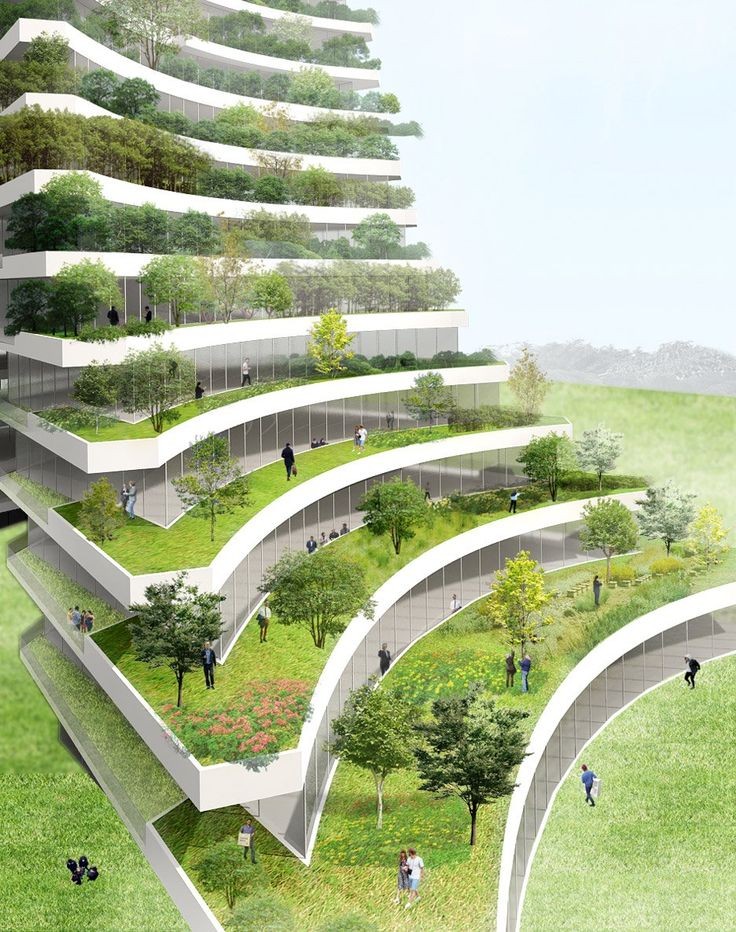
As the world increasingly faces the challenges of climate change and urbanization, the need for sustainable living has never been more pressing. Innovative design is paving the way for a new era of architecture that not only respects the environment but also fosters a sense of community and connection. Imagine homes that blend seamlessly into their natural surroundings, utilizing renewable materials and energy-efficient technologies to create spaces that are both beautiful and functional. In this blog post, we will explore the concept of building sustainable homes that harmonize with nature and the communities they inhabit. From cutting-edge construction techniques to eco-friendly materials and thoughtful architectural designs, join us as we delve into inspiring projects that redefine the way we think about home. Discover how these innovative practices can lead to a more sustainable future while nurturing the bonds that tie us to each other and the world around us.
1. Introduction to Sustainable Design
In an era marked by rapid urbanization and environmental challenges, sustainable design emerges as a beacon of hope, blending innovative architecture with eco-conscious principles. At its core, sustainable design is about harmonizing our living spaces with the natural world, ensuring that the homes we build today do not compromise the needs of future generations. This approach emphasizes the use of renewable materials, energy-efficient systems, and designs that minimize the ecological footprint while maximizing comfort and functionality.
Imagine a home that not only complements its surroundings but actively contributes to the ecosystem. These sustainable structures are often characterized by features such as green roofs that promote biodiversity, walls made from recycled materials, and large windows that invite natural light while providing breathtaking views of the landscape. Sustainable design goes beyond aesthetics; it fosters a sense of community by creating spaces that encourage social interaction and connection with the environment.
In this blog post, we will explore the fundamental principles of sustainable design and how they can be applied to create homes that are not only visually stunning but also environmentally responsible. From the selection of materials to the implementation of innovative technologies, each aspect of sustainable design plays a crucial role in building homes that respect and nurture both nature and the communities they serve. Join us on this journey towards a more sustainable future, where innovation and nature coexist in perfect harmony.
2. The Importance of Harmonizing with Nature
In today’s rapidly urbanizing world, the importance of harmonizing with nature in home design cannot be overstated. Sustainable homes that integrate seamlessly with their natural surroundings not only contribute to environmental preservation but also enhance the quality of life for their inhabitants. When architectural choices respect and reflect the landscape, the result is a living space that nurtures both the body and the soul.
Imagine a home nestled among mature trees, designed to complement the natural contours of the land. Large windows invite the outdoors in, allowing natural light to flood the interior while offering breathtaking views of lush greenery. The use of locally sourced materials not only reduces the carbon footprint associated with transportation but also creates a sense of place, making the home feel like a natural extension of its environment.
Moreover, sustainable design goes beyond aesthetics; it plays a crucial role in promoting biodiversity. By incorporating native plants into landscaping and creating habitats for local wildlife, homeowners can contribute to the ecological balance of their area. Innovative designs that include green roofs, rain gardens, and permeable pavements help manage stormwater runoff, reduce heat islands, and improve air quality, fostering a healthier environment for all.
Harmonizing with nature also encourages a lifestyle that values connection to the earth and community. Outdoor spaces such as gardens, patios, and shared green areas can serve as gathering spots for family and neighbors, fostering relationships and a sense of belonging. In a society increasingly disconnected from the natural world, building homes that prioritize this harmony can help revive a sense of community, making it easier for people to bond with each other and their surroundings.
Ultimately, designing homes that are in tune with nature is about more than functionality; it’s about creating a legacy of sustainability, beauty, and community resilience that can be passed down through generations. By embracing this approach, we can pave the way for a future where our living spaces not only coexist with nature but thrive in harmony with it.
3. Principles of Innovative Design in Architecture
Innovative design in architecture is not just about aesthetics; it embodies a holistic approach that intertwines functionality, sustainability, and community engagement. At the heart of innovative architectural principles lies the concept of harmony—between buildings and their natural surroundings, as well as between the structures and the communities they serve. Here are some key principles that define this forward-thinking design philosophy:
1. **Sustainability**: Sustainable architecture minimizes environmental impact by utilizing renewable resources, energy-efficient systems, and eco-friendly materials. This principle encourages the use of local and recycled materials, reducing the carbon footprint associated with transportation and production. Innovative designs often incorporate solar panels, green roofs, and rainwater harvesting systems, ensuring that homes not only coexist with nature but also contribute positively to the environment.
2. **Biophilic Design**: This principle emphasizes the innate connection between humans and nature. By integrating natural elements such as sunlight, greenery, and water features into architectural designs, biophilic design fosters a sense of well-being and tranquility. Large windows, open spaces, and indoor gardens can create a seamless transition between indoor and outdoor environments, allowing residents to experience the beauty of nature from the comfort of their homes.
3. **Adaptability**: An innovative design should be flexible enough to meet the changing needs of its occupants over time. This principle encourages architects to create spaces that can evolve, whether through reconfigurable layouts, multifunctional rooms, or modular components. Such adaptability not only enhances the longevity of the building but also supports diverse lifestyles and family structures, fostering a sense of community.
4. **Cultural Context**: Understanding and respecting the cultural and historical context of a location is crucial in innovative design. This principle advocates for designs that reflect the identity of the community and celebrate its heritage. By incorporating local materials, traditional architectural styles, and community input, architects can create buildings that resonate with their surroundings and foster a sense of belonging among residents.
5. **Community Engagement**: Innovative design goes beyond the building itself; it involves the community in the design process. Engaging stakeholders—residents, local businesses, and government officials—ensures that the needs and desires of the community are met. This collaborative approach not only strengthens relationships but also leads to designs that enhance social interaction and support local economies.
By embracing these principles, architects can create sustainable homes that not only harmonize with nature but also enrich the communities they inhabit. Innovative design is about envisioning a future where architecture serves as a bridge between people and the environment, fostering a symbiotic relationship that benefits both.
4. Key Features of Sustainable Homes
Sustainable homes are not just about eco-friendly materials; they embody a holistic approach that harmonizes with nature and enhances community well-being. Here are some key features that define these innovative dwellings:
**1. Energy Efficiency:** Sustainable homes prioritize energy efficiency through advanced insulation, energy-efficient windows, and high-performance heating and cooling systems. Features such as solar panels and geothermal heating not only reduce energy consumption but also promote the use of renewable resources. By harnessing natural energy, these homes minimize their carbon footprint and lower utility costs.
**2. Water Conservation:** Innovative designs incorporate rainwater harvesting systems and greywater recycling, allowing homeowners to reuse water for irrigation and non-potable purposes. Low-flow fixtures and drought-resistant landscaping further contribute to water conservation, ensuring that these homes remain resilient even in times of drought.
**3. Sustainable Materials:** The use of sustainably sourced materials is a hallmark of eco-friendly design. From reclaimed wood and bamboo flooring to recycled steel and low-VOC paints, every element is thoughtfully chosen to reduce environmental impact. These materials not only enhance the aesthetic appeal but also contribute to healthier indoor air quality.
**4. Biophilic Design:** By integrating nature into the living space, sustainable homes promote well-being and connection to the environment. Large windows, green walls, and indoor gardens blur the line between indoor and outdoor living, creating a serene atmosphere that supports mental and emotional health.
**5. Smart Technology:** Incorporating smart home technology allows for better management of energy and resources. Automated systems for lighting, heating, and security can optimize energy use based on occupancy and time of day, making these homes not just sustainable but also convenient and user-friendly.
**6. Community Integration:** Sustainable homes are designed with their surrounding communities in mind. They often feature communal spaces that encourage social interaction, promote biodiversity with native plant landscaping, and are strategically located near public transportation and essential services. This fosters a sense of belonging and reduces reliance on cars, leading to more connected and vibrant neighborhoods.
In essence, sustainable homes are a testament to innovative design principles that prioritize harmony with the environment and community. By incorporating these key features, they not only provide comfortable living spaces but also contribute to a healthier planet and a more sustainable future.
5. Materials Matter: Eco-Friendly Building Options
When it comes to sustainable home design, the materials you choose are paramount. The right eco-friendly building options not only minimize environmental impact but also enhance the aesthetic appeal and longevity of your home.
Imagine walking into a space adorned with reclaimed wood beams, each telling a story of its past life, or stepping onto floors crafted from sustainable bamboo, a material known for its rapid growth and resilience. These choices not only reduce the carbon footprint associated with traditional lumber but also create a warm, inviting atmosphere that resonates with nature.
Consider the use of recycled steel for your structural framework. This material is not only incredibly durable but also diverts waste from landfills, making it a responsible choice for eco-conscious builders. Additionally, incorporating insulation made from recycled denim or cellulose provides excellent thermal performance, ensuring your home stays comfortable year-round while significantly lowering energy consumption.
Natural materials like straw bales or rammed earth are gaining traction for their thermal mass, which helps to regulate indoor temperatures and reduce reliance on heating and cooling systems. These options not only blend seamlessly into the natural landscape but also promote a sense of connection between the home and its surroundings.
Moreover, the choice of paints and finishes is critical. Opting for low-VOC (volatile organic compounds) paints and finishes contributes to better indoor air quality, protecting both the environment and your family’s health.
Ultimately, the materials you select play a vital role in not just the sustainability of your home but also in its ability to harmonize with both nature and the community. By making conscious choices, you create a living space that not only stands the test of time but also reflects a commitment to a healthier planet. Investing in eco-friendly building options is not merely a trend; it’s a lifestyle that prioritizes the well-being of both people and the environment.
6. Integrating Renewable Energy Solutions
In the quest for sustainable living, integrating renewable energy solutions into home design is paramount. This approach not only reduces the carbon footprint of a dwelling but also enhances its harmony with the surrounding environment. Imagine a home where the rhythmic sounds of nature—chirping birds, rustling leaves, and flowing water—are complemented by the gentle hum of solar panels capturing sunlight or a wind turbine harnessing breezes.
Installing solar panels on rooftops transforms an ordinary house into a powerhouse of renewable energy, allowing homeowners to generate their own electricity while reducing reliance on fossil fuels. These panels can be designed to blend seamlessly with the architecture, featuring sleek, modern aesthetics that enhance rather than detract from the home’s overall appeal.
In addition, incorporating energy-efficient appliances and smart home technology can optimize energy use, ensuring that every watt is utilized wisely. For instance, smart thermostats can learn the resident’s habits, adjusting heating and cooling systems to minimize energy consumption without sacrificing comfort.
Moreover, geothermal heating systems tap into the earth’s natural temperature regulation, providing an eco-friendly alternative to traditional heating and cooling methods. By utilizing the stable temperatures found just below the surface, these systems can significantly reduce energy costs while maintaining a cozy home environment.
Integrating renewable energy solutions also extends into the community. By participating in local green energy initiatives or connecting to a community solar garden, homeowners can further foster a sense of belonging and collective responsibility towards the environment. The result is a harmonious coexistence of modern living and nature, where homes become not just shelters, but actively contribute to the sustainability of the planet and the well-being of the community.
In essence, by embracing renewable energy solutions, we can create homes that are not only innovative and stylish but also serve as a testament to our commitment to preserving the world around us for future generations.
7. Biophilic Design: Connecting with Nature
Biophilic design is a transformative approach that seeks to foster a deep connection between humans and the natural world, and it has emerged as a cornerstone of innovative, sustainable architecture. By integrating elements of nature into the built environment, biophilic design not only enhances the aesthetic appeal of homes but also promotes well-being and sustainability. This design philosophy is rooted in the understanding that our physical and psychological health is intricately linked to our surroundings.
Imagine waking up in a home where natural light floods through large, strategically placed windows, offering breathtaking views of the surrounding landscape. The walls are adorned with living greenery, creating a vibrant tapestry of color and texture that changes with the seasons. Natural materials such as wood, stone, and clay are used throughout the space, providing a tactile connection to the earth. These elements invite the outdoors in, creating a seamless transition between interior and exterior spaces.
Beyond mere aesthetics, biophilic design incorporates functional aspects that encourage an active lifestyle and foster community engagement. Outdoor living areas, such as patios, gardens, and green roofs, serve as gathering spaces for families and neighbors, promoting social interaction while also supporting local wildlife. Community gardens become not just sources of food, but also hubs for education and collaboration, allowing residents to bond over shared responsibilities and enjoy the fruits of their labor.
Moreover, the benefits of biophilic design extend to psychological well-being. Studies show that exposure to natural elements can reduce stress, boost mood, and enhance focus. By prioritizing natural light, ventilation, and views of greenery, homeowners can create a sanctuary that nurtures both body and mind.
Incorporating biophilic elements into sustainable housing not only addresses environmental concerns but also enriches the lives of those who inhabit these spaces. As we move towards a future where our homes reflect our values and aspirations, embracing biophilic design may be the key to building a harmonious relationship with nature and fostering thriving communities.
8. Community Engagement in Sustainable Housing Projects
Community engagement is a cornerstone of sustainable housing projects, serving as the bridge between innovative design and the needs of the people who will inhabit these homes. By actively involving community members in the planning and development stages, designers and architects can create spaces that truly resonate with the local culture and environment. This approach not only fosters a sense of ownership among residents but also ensures that the solutions implemented are practical, relevant, and beneficial to the community as a whole.
One effective way to engage the community is through workshops and participatory design sessions, where residents can voice their opinions, share their experiences, and contribute ideas. This collaborative process allows designers to gather invaluable insights into the unique characteristics of the neighborhood, including its social dynamics, environmental challenges, and aesthetic preferences. For instance, community members might express a desire for shared green spaces or community gardens, which can inform the design of communal areas that promote interaction and biodiversity.
Furthermore, leveraging local resources and materials helps strengthen community ties. When sustainable homes are built using locally sourced materials, it not only reduces the carbon footprint of transportation but also supports local economies. This practice fosters pride in craftsmanship and encourages the preservation of traditional building techniques that reflect the cultural heritage of the area.
In addition, involving local organizations and stakeholders in the planning process can enhance the success of sustainable housing projects. By forming partnerships with local governments, non-profits, and environmental groups, developers can tap into existing knowledge, resources, and networks. These collaborations can lead to innovative solutions that address both environmental and social concerns, such as affordable housing initiatives that prioritize sustainability.
Ultimately, community engagement transforms sustainable housing from mere structures into vibrant, thriving ecosystems that are integrated into the fabric of local life. When residents feel heard and valued, they are more likely to take pride in their homes and surroundings, fostering a spirit of stewardship that contributes to the long-term success and sustainability of the project. As we envision a future where homes harmonize with nature and communities, prioritizing community engagement is key to creating spaces that are not only sustainable but also enriching for all who inhabit them.
9. Case Studies: Successful Sustainable Homes Around the World
When it comes to innovative design in sustainable living, real-world examples can often inspire and inform our own aspirations. Across the globe, visionary architects and eco-conscious homeowners have created sustainable homes that not only minimize their environmental impact but also enhance the communities they inhabit. Here are a few standout case studies that showcase the potential of sustainable design to harmonize with both nature and human connections.
**1. The Earthship Biotecture in New Mexico, USA**
Earthships are a pioneering example of sustainable architecture, designed to be self-sufficient and built from recycled materials. Located in the high desert of New Mexico, these homes utilize passive solar heating, rainwater harvesting, and natural ventilation systems. The Earthship community is not just about individual homes; it’s a model for sustainable living that emphasizes community resilience and ecological responsibility. The use of earth-rammed tires and repurposed materials not only reduces waste but also integrates the homes seamlessly into the surrounding environment.
**2. The Green House in London, England**
Nestled within a bustling urban landscape, The Green House is a striking example of modern sustainable design. This eco-home features a living roof, which not only helps to insulate the building but also provides a habitat for local wildlife. The design incorporates extensive use of reclaimed timber and sustainable materials, and its energy-efficient systems allow it to generate more energy than it consumes. By blending innovative technology with a commitment to nature, The Green House stands as a beacon of sustainability in an otherwise concrete jungle.
**3. The Breathe House in Australia**
Located on the edge of a coastal rainforest, The Breathe House is a stunning showcase of biophilic design principles. This home blurs the lines between indoor and outdoor living, with large openings that invite natural light and ventilation while offering breathtaking views of the surrounding landscape. The structure is built with locally sourced materials and features a rainwater collection system, solar panels, and a greywater recycling system. By prioritizing both environmental impact and aesthetic beauty, The Breathe House exemplifies how sustainable design can enhance the quality of life for its residents.
**4. The Casa de la Luz in Mexico**
Casa de la Luz, or “House of Light,” is an inspiring project that integrates traditional Mexican architecture with modern sustainable practices. Constructed using local adobe bricks, this home is designed to maintain a comfortable temperature year-round without relying on artificial heating or cooling. Its orientation maximizes natural light and airflow, creating a serene and inviting atmosphere. The design emphasizes community engagement, with shared spaces that encourage neighborly interaction and a sense of belonging.
These case studies illustrate that innovative design can lead to homes that coexist harmoniously with nature while fostering community bonds. By learning from these successful examples, we can embrace sustainable living practices that not only respect the environment but also enrich our lives and the lives of those around us. As we move forward, these inspiring stories remind us that the future of housing lies in our ability to blend creativity, sustainability, and community spirit.
10. The Role of Technology in Sustainable Design
In the ever-evolving landscape of sustainable architecture, technology plays a pivotal role in shaping the future of eco-friendly design. It serves as both a catalyst for innovation and a tool for enhancing the efficiency and functionality of sustainable homes. From advanced building materials to smart home systems, technology is revolutionizing how we construct and inhabit our living spaces.
One of the most significant advancements in sustainable design is the use of energy-efficient systems and smart technologies. For instance, smart thermostats and energy management systems optimize heating and cooling, ensuring that homes use only the energy they need. These technologies not only reduce energy consumption but also enable homeowners to monitor and adjust their usage patterns in real time, fostering a deeper connection between inhabitants and their environmental impact.
Moreover, the integration of renewable energy sources, such as solar panels and wind turbines, is becoming increasingly feasible due to technological advancements. These systems can be seamlessly incorporated into the design of a home, allowing it to generate its own energy and significantly reduce reliance on fossil fuels. Additionally, innovations in battery storage technology enable homeowners to store excess energy for use during peak demand times, enhancing energy independence and sustainability.
Building information modeling (BIM) is another technological breakthrough that is transforming sustainable design. BIM allows architects and builders to create detailed digital representations of a structure before construction begins. This not only streamlines the design process but also facilitates better planning for resource use, waste reduction, and energy efficiency. By simulating how a building will interact with its environment, designers can make informed decisions that prioritize harmony with nature and community.
Finally, technology also plays a crucial role in promoting sustainable practices among homeowners. Mobile applications and online platforms are making it easier than ever for individuals to access information about sustainable living, from tips on reducing waste to resources for purchasing eco-friendly products. By fostering a community of informed consumers, technology helps to create a culture of sustainability that extends beyond the walls of individual homes.
In summary, the role of technology in sustainable design is multifaceted and transformative. By harnessing the power of innovation, we can create homes that not only harmonize with nature but also enhance the well-being of the communities in which they reside. As we continue to explore the intersection of technology and sustainable living, the possibilities for creating a greener future are boundless.
11. Overcoming Challenges in Sustainable Home Building
Building sustainable homes presents a unique set of challenges that can test even the most seasoned architects and builders. From navigating local regulations to sourcing eco-friendly materials, the journey toward creating a harmonious living space that aligns with both nature and community can be fraught with obstacles. One of the primary challenges is the initial cost; while sustainable materials and technologies may require a higher upfront investment, they often lead to substantial long-term savings in energy and maintenance. Educating potential homeowners about the benefits of these investments is crucial for gaining their buy-in.
Moreover, understanding and integrating renewable energy sources, such as solar panels or wind turbines, can complicate the design process. Builders must ensure that these systems are not only efficient but also aesthetically pleasing, blending seamlessly with the overall design of the home. This requires a delicate balance of technical knowledge and creative vision, as well as collaboration with engineers and energy specialists.
Another significant hurdle is community engagement. Sustainable homes often aim to foster a sense of belonging and connection, which means involving the local community in the planning process. This can lead to differing opinions on design and functionality, making it critical for builders to facilitate open dialogues, address concerns, and incorporate community feedback. By doing so, they not only create homes that are environmentally friendly but also spaces that resonate with the people who will inhabit them.
Finally, there’s the challenge of scaling sustainable practices. While a single home may showcase innovative design and materials, replicating these successes in larger developments can be daunting. Builders and developers must advocate for policies that support sustainable practices and encourage the adoption of green building standards on a wider scale.
Overcoming these challenges requires creativity, collaboration, and a steadfast commitment to sustainability. By facing these obstacles head-on, builders can pave the way for a future where homes not only coexist with nature but also enhance the communities they inhabit.
12. Future Trends in Sustainable Architecture
As we look to the horizon of sustainable architecture, several future trends are poised to reshape how we build and live. One major trend is the increasing use of biophilic design, which emphasizes the connection between nature and human well-being. This design philosophy encourages the integration of natural elements—like plants, water features, and natural light—into living spaces, creating environments that promote mental health and productivity. Expect to see more homes that blur the lines between indoor and outdoor living, featuring expansive windows, green roofs, and living walls that invite the outside in.
Another significant trend is the rise of smart home technology that prioritizes sustainability. Homes equipped with smart sensors can optimize energy use, monitor water consumption, and even adjust heating and cooling based on occupancy. These advancements not only enhance comfort but also reduce carbon footprints, aligning convenience with ecological responsibility.
Circular design is also gaining momentum, focusing on creating buildings with materials that can be reused or recycled at the end of their lifecycle. This approach minimizes waste and encourages a more sustainable economy, where resources are valued and repurposed rather than discarded. Initiatives like this are paving the way for communities that prioritize environmental stewardship.
Finally, the concept of regenerative architecture is making waves, where buildings are designed not just to minimize harm but to actively improve the environment. This can include homes that produce more energy than they consume, purify water, or even enhance local wildlife habitats. As these innovative trends take hold, we can expect a future where architecture not only respects but enriches the communities and ecosystems in which it exists, creating a lasting legacy of sustainability for generations to come.
13. The Economic Benefits of Sustainable Homes
Sustainable homes are not just a fleeting trend; they represent a forward-thinking approach that combines environmental stewardship with economic pragmatism. The economic benefits of sustainable homes extend far beyond their initial construction costs, creating long-term financial advantages for homeowners, communities, and the economy as a whole.
Firstly, the energy efficiency of sustainable homes results in significant savings on utility bills. By incorporating features such as solar panels, high-quality insulation, and energy-efficient appliances, homeowners can drastically reduce their energy consumption. This not only lowers monthly expenses but also increases property value over time, as more buyers are looking for eco-friendly features in their future homes.
In addition, sustainable homes often qualify for various government incentives, tax credits, and rebates designed to encourage environmentally friendly building practices. These financial incentives can substantially offset the costs of construction, making sustainable homes an attractive option for both builders and buyers. Communities that embrace sustainable housing can also benefit from increased investments and job creation in green construction and renewable energy sectors.
Moreover, the adoption of sustainable building practices can enhance community resilience. Homes designed with sustainability in mind are often better equipped to withstand extreme weather events, reducing the economic burden of disaster recovery on local governments and taxpayers. This resilience fosters a sense of security and stability within communities, encouraging investment and growth.
Lastly, sustainable homes promote a healthier lifestyle. By using non-toxic materials and improving indoor air quality, these homes contribute to the well-being of their inhabitants. Healthier residents translate to reduced healthcare costs, which is a win for both families and the economy.
In conclusion, the economic benefits of sustainable homes are multifaceted, encompassing utility savings, government incentives, community resilience, and improved health. By investing in sustainable design, we not only protect the planet but also create vibrant, thriving communities that can prosper for generations to come.
14. How to Get Started with Your Own Sustainable Project
Embarking on your own sustainable home project is an exciting journey that combines creativity, responsibility, and a commitment to the environment. To get started, the first step is to educate yourself on sustainable building practices and materials. Research the principles of sustainable design, such as passive solar heating, energy efficiency, and the use of renewable resources. Books, online courses, and workshops can provide valuable insights and inspiration.
Next, create a vision for your project. Consider how you want your home to integrate with the surrounding landscape and community. Engage with local architects and designers who specialize in sustainable design; their expertise can guide you in making informed decisions about layout, materials, and energy systems. Collaborating with professionals ensures that your ideas are feasible and can meet both aesthetic and ecological standards.
Once you have a solid plan, it’s time to focus on sourcing sustainable materials. Look for local suppliers to reduce transportation emissions and support your community. Materials like reclaimed wood, recycled metal, and natural insulation can significantly lower your environmental impact. Prioritize certifications like FSC (Forest Stewardship Council) for wood products and ENERGY STAR ratings for appliances to ensure they meet sustainability standards.
Don’t forget to involve your community in the process. Share your vision and invite input from neighbors and local residents. This engagement not only fosters a sense of belonging but can also lead to valuable partnerships, such as sourcing local materials or labor. Moreover, consider incorporating community spaces into your design to encourage social interaction and collaboration, helping to strengthen the ties within your neighborhood.
Lastly, be prepared for challenges along the way. Sustainable construction often involves navigating complex regulations and potential higher upfront costs. However, viewing these as opportunities for innovation can lead to unique solutions that enhance your project’s sustainability. With careful planning, collaboration, and a commitment to your vision, you can create a sustainable home that harmonizes not only with nature but also with the community you cherish. The path may be complex, but the end result—a beautiful, environmentally friendly home—will undoubtedly be worth the effort.
15. Conclusion: The Path Towards a Greener Future
As we stand at the crossroads of environmental awareness and architectural innovation, the journey towards sustainable homes is more crucial than ever. The convergence of design, technology, and ecological responsibility highlights an exciting paradigm shift in how we think about living spaces. Sustainable homes are not just about energy efficiency or using renewable materials; they represent a holistic approach that honors the intricate relationships between our dwellings, the natural world, and the communities we inhabit.
The path towards a greener future involves embracing innovative design principles that prioritize harmony with nature. By integrating biophilic design, utilizing local resources, and optimizing natural light and ventilation, we can create living environments that enhance our well-being while minimizing our ecological footprint. Communities that come together to advocate for sustainable practices foster a collective mindset, inspiring individuals to make conscious choices that ripple outward, influencing neighbors and local ecosystems alike.
Moreover, sustainable design is not merely a trend but a necessary evolution in our built environment. It requires collaboration among architects, builders, urban planners, and local governments to create spaces that are not only functional and aesthetically pleasing but also resilient against the challenges of climate change. By investing in sustainable infrastructure and advocating for green policies, we can ensure that future generations inherit a planet that thrives in balance with nature.
In conclusion, the journey towards building sustainable homes is a collective effort that calls for innovation, commitment, and a shared vision of a healthier planet. As we continue to explore and implement these practices, we pave the way for a greener future—one where our homes and communities coexist in perfect harmony with the natural world. Together, we can create a legacy of sustainability that nurtures both people and the planet for years to come.
In conclusion, the pursuit of innovative design in building sustainable homes is not just a trend; it is a vital movement toward creating spaces that honor our planet and foster thriving communities. By harmonizing architecture with nature, we can reduce our environmental footprint while enhancing the quality of life for residents. The principles outlined in this blog post—such as utilizing eco-friendly materials, embracing energy-efficient technologies, and prioritizing community engagement—serve as a blueprint for a future where homes coexist harmoniously with their surroundings. As we move forward, let us embrace these innovative strategies, inspiring others to join the movement toward sustainable living and creating a legacy of environmental stewardship for generations to come. Thank you for joining us on this journey; together, we can build a greener, more connected world.
——————————

 fauxcroft
Leave a comment