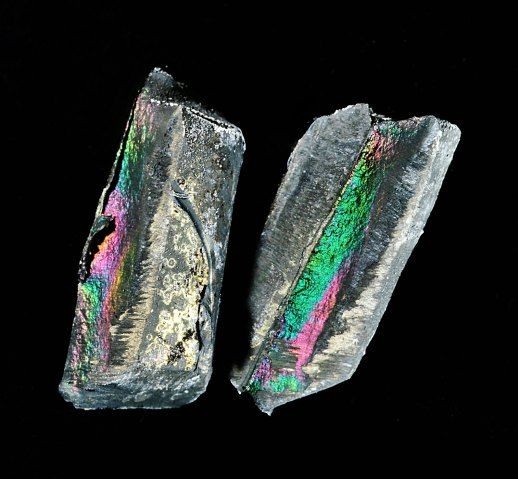
As the world increasingly shifts towards sustainable energy solutions, lithium has emerged as a crucial player in the transition to a greener future. This lightweight metal, essential for powering electric vehicles and storing renewable energy, has ignited a global race among nations and corporations alike. Yet, the journey of lithium from mine to battery is far from straightforward; it raises pressing questions about environmental costs, resource management, and ethical mining practices. In this comprehensive exploration, we will explore the complexities surrounding lithium, examining its environmental impact, the key players in its production, and the potential it holds as a cornerstone of green energy. Join us as we delve into the intricate web of challenges and opportunities that define the future of lithium, a resource that could shape the landscape of sustainable energy for generations to come.
1. Introduction to Lithium: The Backbone of Green Energy
In the quest for sustainable energy solutions, lithium has emerged as a pivotal player, earning its title as the “backbone of green energy.” As society strives to reduce its carbon footprint and transition away from fossil fuels, lithium-ion batteries have become indispensable, powering everything from electric vehicles to renewable energy storage systems.
Lithium’s unique properties make it an ideal candidate for battery production: it is lightweight, has a high energy density, and boasts a long life cycle. These characteristics enable lithium-ion batteries to store and release energy efficiently, making them essential for harnessing the intermittent power generated by solar and wind sources. With electric vehicle sales soaring and renewable energy technologies gaining momentum, the demand for lithium is skyrocketing, outpacing supply in many cases.
However, this surge in demand brings with it a host of environmental concerns. The extraction and processing of lithium, often conducted in remote areas like the lithium-rich salt flats of South America and the hard rock mines of Australia, can have significant ecological impacts. From water depletion in arid regions to potential contamination of local ecosystems, the environmental costs associated with lithium sourcing cannot be overlooked.
In this blog post, we will explore the intricate dynamics surrounding lithium as a green energy resource. We will delve into the key players in the lithium market, examine the environmental implications of its extraction and usage, and consider the future of lithium in our ever-evolving energy landscape. As we unpack the complexities of this vital mineral, we aim to provide a clearer picture of its role in fostering a sustainable future while also addressing the pressing environmental challenges that accompany its rise.
2. The Role of Lithium in Renewable Energy Technologies
Lithium has emerged as a cornerstone of the renewable energy landscape, serving as a vital component in the technologies that are revolutionizing how we harness and store energy. As the world pivots toward more sustainable practices, lithium-ion batteries have taken center stage, powering everything from electric vehicles (EVs) to solar energy storage systems. These batteries are not only lightweight and highly efficient, but they also have a remarkable energy density, enabling them to store vast amounts of energy in a compact form.
In the realm of electric vehicles, lithium-ion technology is the driving force behind the shift away from fossil fuels, enabling longer ranges and faster charging times. Major automotive manufacturers are investing heavily in lithium battery production, recognizing that the future of transportation hinges on these technologies. Companies like Tesla, Ford, and Volkswagen are racing to secure lithium supplies to meet the surging demand for electric vehicles, underscoring the metal’s critical role in the transition to cleaner mobility.
Beyond transportation, lithium’s importance extends to renewable energy systems, particularly in the storage of solar and wind energy. As these energy sources generate power intermittently, lithium-ion batteries provide a necessary buffer, storing excess energy generated during peak production times for use during periods of low generation. This capability is crucial for stabilizing energy grids and ensuring a consistent power supply, making lithium an indispensable resource in our quest for a more sustainable energy future.
However, as the demand for lithium surges, so too do concerns about its environmental impact and sustainability. The extraction and processing of lithium come with significant environmental costs, including water usage and habitat disruption. It’s essential for stakeholders to balance the benefits of lithium in renewable energy technologies with responsible sourcing and environmental stewardship. As we unpack the complexities of lithium, understanding its pivotal role in renewable energy will be key to navigating its future as a green energy resource.
3. Understanding the Environmental Costs of Lithium Extraction
Lithium extraction, while pivotal for the advancement of green technologies, is not without its environmental consequences. Understanding the ecological costs associated with lithium mining is essential for a comprehensive view of its role in the green energy revolution.
The extraction process primarily occurs through two methods: hard rock mining and lithium brine extraction. Hard rock mining, often associated with significant surface disruption, involves drilling into rock deposits to extract spodumene, the mineral containing lithium. This process not only disturbs ecosystems but also requires vast amounts of water and energy, contributing to habitat destruction and increased greenhouse gas emissions.
On the other hand, lithium brine extraction, predominantly carried out in salt flats, poses its own set of challenges. This method involves pumping brine—water saturated with lithium and other minerals—into evaporation ponds. While it requires less physical disturbance than hard rock mining, it consumes substantial quantities of water, which can lead to the depletion of local aquifers and adversely affect the surrounding biodiversity. In regions already facing water scarcity, such as the lithium-rich regions of South America, this can create intense competition for precious water resources between mining operations and local communities.
Additionally, the chemicals used during the extraction process can leach into the surrounding environment, potentially contaminating soil and water sources. This pollution can have long-lasting effects on local flora and fauna, disrupting existing ecosystems and leading to declines in biodiversity.
As the demand for lithium continues to surge with the rise of electric vehicles and renewable energy storage, it is crucial to evaluate and mitigate these environmental impacts. Sustainable mining practices, enhanced recycling methods for lithium-ion batteries, and advancements in alternative battery technologies are vital steps needed to ensure that lithium’s role in the green energy landscape does not come at an unacceptable ecological cost. By balancing the urgent demand for clean energy solutions with environmental stewardship, we can work toward a more sustainable future.
4. Key Players in the Lithium Supply Chain
The lithium supply chain is a complex web of key players who play critical roles in the extraction, processing, and distribution of this vital resource. As the demand for lithium surges due to its essential use in batteries for electric vehicles (EVs), consumer electronics, and renewable energy storage, understanding the landscape of its supply chain becomes increasingly important.
At the forefront of this industry are large mining companies that operate lithium extraction facilities around the globe. Notable names like Albemarle Corporation and SQM (Sociedad Química y Minera) are leading producers, with operations primarily in the lithium-rich salt flats of South America, notably in Argentina, Bolivia, and Chile. These companies utilize both hard rock mining and evaporation techniques to extract lithium from brine. Their expertise and scale give them a competitive edge in meeting the growing demand, although environmental concerns related to water usage and land disruption often surround their practices.
Emerging companies, such as Livent and Orocobre, are also making strides in the lithium market, focusing on sustainable mining practices and innovative extraction technologies. These companies are increasingly aware of the environmental implications of lithium mining and are investing in methods that aim to reduce their ecological footprint.
Furthermore, battery manufacturers like Panasonic, LG Chem, and CATL (Contemporary Amperex Technology Co. Limited) are vital players in this supply chain as they turn lithium into the batteries powering our electric vehicles and renewable energy systems. Their partnerships with mining companies are becoming more strategic, ensuring a steady supply of lithium while also pushing for greater sustainability in sourcing practices.
Finally, the rise of battery recycling companies cannot be overlooked. As the industry transitions to a circular economy model, firms specializing in lithium-ion battery recycling are emerging as key players in reducing the demand for newly mined lithium. By reclaiming lithium from old batteries, these companies contribute to a more sustainable supply chain and help mitigate some of the environmental impacts associated with lithium extraction.
Together, these key players in the lithium supply chain are navigating a rapidly changing landscape, balancing the urgent demand for lithium with the environmental considerations that accompany its extraction and use. As we look to the future, their roles will be crucial in shaping the sustainability and viability of lithium as a cornerstone of green energy resources.
5. The Impact of Lithium Mining on Local Communities and Ecosystems
Lithium mining, while crucial for the transition towards greener energy solutions, carries significant environmental and social implications that cannot be overlooked. As demand for lithium skyrockets due to its role in electric vehicle batteries and renewable energy storage, the mining processes often take center stage in debates surrounding sustainability.
In regions rich in lithium deposits, such as the Lithium Triangle of South America—spanning parts of Argentina, Bolivia, and Chile—the extraction processes can lead to severe ecological disruptions. Vast amounts of water are required for lithium extraction, particularly from brine sources. This can result in the depletion of vital water resources in arid regions, adversely affecting local agriculture and drinking water supplies. Communities that have relied on these water sources for generations find themselves grappling with scarcity, leading to conflicts over resources and undermining traditional livelihoods.
Moreover, the impact on biodiversity is profound. Ecosystems that support unique flora and fauna can be irreversibly altered. The disturbance of land during mining operations can lead to habitat loss, soil degradation, and the introduction of pollution, which can have cascading effects on local wildlife. The delicate balance of these ecosystems is often overlooked in favor of short-term economic gains from lithium extraction.
Socially, the implications for local communities are multifaceted. While mining projects can bring jobs and infrastructure improvements, they can also lead to displacement and cultural erosion. Indigenous populations, in particular, may find their ancestral lands compromised, sparking protests and legal battles as they fight to protect their heritage and environment.
It is crucial for key players in the lithium supply chain, from mining corporations to governments, to prioritize sustainable practices. This includes engaging with local communities, ensuring fair compensation, and implementing measures to minimize environmental harm. As the world pivots towards a greener future, the challenge will be to balance the urgent need for lithium with the responsibility to protect the planet and its people. Only by addressing these impacts can we ensure that lithium truly serves as a beacon of sustainable energy rather than a source of contention.
6. Innovations in Sustainable Lithium Extraction
As the demand for lithium surges, driven primarily by the booming electric vehicle (EV) market and renewable energy storage solutions, the need for sustainable extraction methods has never been more pressing. Innovations in sustainable lithium extraction are emerging as crucial advancements that aim to minimize the environmental impact associated with traditional mining practices.
One of the most promising approaches is the development of direct lithium extraction (DLE) technologies. Unlike conventional methods, which often involve extensive water usage and land disruption, DLE utilizes a more efficient process that extracts lithium directly from brine sources with minimal ecological footprint. This technique not only reduces water consumption—an increasingly scarce resource in many lithium-rich regions—but also significantly lowers the carbon emissions typically associated with mining operations.
Moreover, companies are exploring the use of geothermal brines, where lithium is extracted as a byproduct of geothermal energy production. This innovative method not only aids in harnessing clean energy but also provides a dual benefit by tapping into lithium reserves without the environmental degradation tied to traditional mining.
In addition to these methods, advancements in recycling lithium from spent batteries are gaining traction. Initiatives to reclaim lithium from old batteries not only mitigate the need for new lithium extraction but also contribute to a circular economy, where resources are reused and repurposed. This not only lessens the environmental burden but also addresses the looming issue of battery waste management.
As these technologies evolve, they promise a future where lithium extraction aligns more closely with sustainability goals. By prioritizing innovative and eco-friendly methods, the industry can ensure that the transition to green energy does not come at the expense of the planet. The shift towards sustainable lithium extraction signifies a pivotal moment in the journey towards a cleaner, more sustainable energy future, marking lithium not just as a resource, but as a cornerstone of environmental stewardship.
7. Recycling Lithium: The Circular Economy Approach
As the demand for lithium-ion batteries surges, particularly in the realms of electric vehicles and renewable energy storage, the importance of recycling lithium cannot be overstated. In an era where sustainability is paramount, adopting a circular economy approach is essential for minimizing the environmental impact of lithium extraction and usage.
Recycling lithium involves reclaiming valuable materials from used batteries and repurposing them for new products, thereby reducing the need for virgin lithium mining. This not only helps to conserve natural resources but also limits the energy-intensive processes associated with extracting and refining lithium from the earth. The potential for lithium recycling is significant; studies suggest that a well-implemented recycling system could recover up to 90% of the lithium contained in used batteries.
Key players in the lithium recycling sector are already emerging, with companies developing innovative technologies to efficiently extract lithium and other critical minerals from spent batteries. These advancements include hydrometallurgical processes, which use chemical solutions to dissolve and separate metals, as well as pyrometallurgical methods that involve high-temperature treatment. By investing in these technologies, businesses can contribute to a more sustainable supply chain, ensuring that lithium remains within the economy rather than ending up in landfills.
Moreover, governments and organizations are beginning to recognize the importance of recycling lithium as part of a broader strategy to combat climate change. Initiatives to promote battery recycling infrastructure, coupled with regulations mandating the responsible disposal of batteries, are paving the way for a more sustainable future.
In essence, embracing lithium recycling is not just an environmental necessity; it represents a fundamental shift towards a circular economy. By closing the loop on lithium usage, we can significantly reduce our ecological footprint while supporting the growth of green technologies, ensuring that lithium continues to play a pivotal role in the transition to a sustainable energy future.
8. Regulatory Frameworks Governing Lithium Production
### 8. Regulatory Frameworks Governing Lithium Production
As the demand for lithium surges, driven largely by its pivotal role in green technologies like electric vehicles and renewable energy storage, the regulatory frameworks governing its production have become increasingly crucial. These frameworks vary significantly across regions, reflecting differing national priorities, environmental concerns, and economic strategies.
In countries like Australia, which is one of the largest lithium producers, the regulatory landscape is designed to balance economic growth with environmental sustainability. The government has implemented strict mining regulations that require companies to conduct thorough environmental assessments before any extraction activities. These assessments evaluate potential impacts on local ecosystems, water resources, and indigenous lands, ensuring that mining operations proceed responsibly. Furthermore, Australia has been proactive in enforcing laws that promote sustainable practices, such as rehabilitating mining sites post-extraction.
Conversely, in South America, particularly in the Lithium Triangle—which encompasses parts of Argentina, Bolivia, and Chile—the regulatory atmosphere is influenced by a mix of governmental control and indigenous rights. Here, lithium extraction is often conducted through brine mining, which poses its own set of environmental challenges, particularly concerning water usage in arid regions. Governments in these countries are increasingly recognizing the need for regulations that protect both the environment and the rights of local communities, leading to ongoing discussions about sustainable practices and fair compensation for indigenous populations.
In the United States, the regulatory framework surrounding lithium production is evolving as the country seeks to bolster domestic supply chains for green energy resources. Recent initiatives have aimed at streamlining the permitting process for lithium mining projects while simultaneously enhancing environmental protections. Agencies like the Bureau of Land Management are revisiting existing regulations to facilitate exploration and extraction while ensuring compliance with environmental standards.
Global regulatory standards are also emerging, as international bodies and environmental organizations advocate for cohesive policies that govern lithium production. These standards aim to hold companies accountable for their environmental impact and promote transparency in the supply chain. As the world shifts towards a greener economy, the development of robust, globally accepted regulatory frameworks will be essential in ensuring that lithium mining is sustainable, ethical, and conducive to long-term environmental health.
In summary, as lithium becomes an increasingly valuable resource in the transition to renewable energy, the regulatory frameworks governing its production will play a critical role in shaping its future. Balancing economic growth with environmental stewardship and social responsibility will be the key challenge for policymakers, industry leaders, and communities alike in the coming years.
9. Global Demand for Lithium: Trends and Projections
The global demand for lithium is witnessing an unprecedented surge, driven primarily by the rapid expansion of electric vehicle (EV) production, renewable energy storage solutions, and the increasing reliance on portable electronics. As governments around the world intensify their commitments to reducing carbon emissions and transitioning to sustainable energy sources, lithium has emerged as a cornerstone of this green revolution.
Recent trends indicate that the demand for lithium-ion batteries, which power everything from smartphones to electric cars, is expected to grow exponentially. According to industry forecasts, the lithium market is projected to reach a staggering valuation of over $70 billion by 2028, with a compound annual growth rate (CAGR) exceeding 20%. This boom is not merely a flash in the pan; it reflects a fundamental shift in consumer behavior and industrial priorities toward sustainability.
Key players in the lithium supply chain, including mining companies and battery manufacturers, are ramping up production capacities to keep pace with this growing demand. Major lithium-producing countries such as Australia, Chile, and Argentina are enhancing their extraction techniques and investing in new technologies to ensure a steady supply. Additionally, companies are beginning to explore innovative recycling methods to reclaim lithium from used batteries, further supporting the circular economy and alleviating some of the environmental pressures associated with mining.
However, this surge in demand does not come without challenges. The environmental costs of lithium extraction, including water usage, land disruption, and potential pollution, are becoming increasingly scrutinized. As consumers and investors alike prioritize sustainability, companies are under pressure to adopt more responsible mining practices and to invest in cleaner technologies.
Looking ahead, the projections for lithium demand are not only optimistic but also critical for the future of green energy. As the world moves towards a more electrified landscape, the question remains: can the lithium industry balance the pressing need for supply with the imperative to protect our planet? The answer will shape not only the future of energy but the very fabric of our environmental stewardship.
10. Alternatives to Lithium: Are They Viable?
As the world accelerates toward a sustainable future, the quest for alternatives to lithium-ion batteries is gaining momentum. While lithium has dominated the market for electric vehicle (EV) batteries and renewable energy storage, concerns about its environmental impact, supply chain vulnerabilities, and geopolitical implications have spurred researchers and manufacturers to explore other materials. But are these alternatives truly viable?
One promising contender is sodium-ion technology. Sodium is abundant and inexpensive, making it an attractive substitute for lithium. Early prototypes have shown that sodium-ion batteries can deliver comparable energy densities, but challenges remain in terms of cycle life and efficiency. Researchers are actively working on enhancing the performance of these batteries, which could make them a strong competitor in the near future.
Another alternative gaining traction is solid-state batteries, which replace the liquid electrolyte in lithium batteries with a solid material. This innovation not only aims to improve safety by reducing flammability risks but also potentially increases energy density. However, the manufacturing processes for solid-state batteries are still in the experimental stage, and scaling them for mass production remains a significant hurdle.
Beyond sodium and solid-state technologies, other materials such as magnesium, zinc, and even organic compounds are being explored. Each offers unique benefits, such as enhanced safety, lower environmental impact, or better resource availability. However, many of these technologies are still in the research phase and need substantial investment and development to become commercially viable.
While these alternatives present exciting possibilities, they also face challenges. The transition from lithium to other materials will require not only technological advancements but also changes in infrastructure, supply chains, and consumer acceptance. Moreover, the environmental costs of sourcing and processing new materials must be carefully considered to ensure that the shift to alternatives aligns with the broader goals of sustainability.
In summary, while several alternatives to lithium show promise, their viability as mainstream solutions for energy storage and electric mobility remains to be seen. As innovation continues to unfold, the future may hold a diverse landscape of battery technologies, each contributing to a greener energy ecosystem. The journey toward finding the right balance between performance, cost, and environmental impact is just beginning, and it will be crucial for industry stakeholders to navigate these waters thoughtfully.
11. The Future of Lithium in Electric Vehicles
As the automotive industry pivots towards electrification, lithium has emerged as a cornerstone in the development of electric vehicles (EVs). With global demand for sustainable transportation solutions surging, lithium-ion batteries have become the preferred choice due to their high energy density, lightweight nature, and capacity for rapid charging. These qualities make them ideal for powering everything from compact city cars to high-performance electric SUVs.
Looking ahead, the future of lithium in EVs is undoubtedly promising, yet it is not without its challenges. The rapid expansion of the EV market raises pressing questions about lithium supply chains, environmental impacts, and technological advancements. Major automotive manufacturers are racing to secure reliable sources of lithium, leading to increased investment in mining operations and technology to extract lithium more sustainably. Countries rich in lithium reserves, such as Australia, Chile, and Argentina, are becoming critical players in this evolving landscape, and their geopolitical importance is set to grow.
Moreover, innovation in battery technology is paving the way for alternatives that could reduce our reliance on lithium. Researchers are exploring new chemistries, such as solid-state batteries and lithium-sulfur alternatives, which promise longer ranges and shorter charging times, potentially reshaping the EV market. However, until these technologies are fully realized and commercially viable, lithium remains at the heart of the transition to electric mobility.
As consumers become increasingly environmentally conscious, the push for sustainable practices in lithium mining and battery production is gaining momentum. Companies that prioritize ethical sourcing and environmentally friendly extraction methods will likely gain a competitive edge, appealing to a market that seeks both performance and responsibility.
In conclusion, while lithium’s role in electric vehicles is vital today, its future hinges on a delicate balance between meeting the surging demand, implementing sustainable mining practices, and fostering innovation in battery technology. The coming years will be crucial in determining how this precious resource shapes the landscape of green energy and transportation.
12. Addressing the Myths and Facts about Lithium
As the world pivots towards greener energy solutions, lithium has emerged as a pivotal player, particularly in the realm of rechargeable batteries for electric vehicles and renewable energy storage. However, with its rise to prominence, a cloud of myths and misconceptions has formed around this essential mineral. Addressing these myths is vital for fostering a clear understanding of lithium’s role in a sustainable future.
One prevalent myth is that lithium extraction is universally harmful to the environment. While it’s true that mining processes can have significant ecological impacts, this narrative oversimplifies a complex issue. In regions like South America, particularly the lithium triangle of Argentina, Bolivia, and Chile, extraction methods are evolving. Companies are increasingly adopting more sustainable practices, such as using less water and implementing brine extraction techniques that minimize environmental degradation.
Another common misconception is that lithium reserves are finite and will soon be depleted. In reality, lithium is the 33rd most abundant element in the Earth’s crust, and advances in recycling technologies are paving the way for a circular economy. As battery recycling methods become more efficient, we can recover lithium from used batteries, reducing the need for new mining operations and lessening the overall environmental footprint.
It’s also essential to clarify the safety of lithium-ion batteries. Many feared that the fires associated with these batteries indicated a fundamental flaw. However, ongoing research and technological advancements have significantly improved the safety and performance of lithium-ion batteries, making them safer and more reliable than ever before.
By demystifying these misconceptions, we can better appreciate lithium’s critical role in the transition to a sustainable energy future. As we continue to innovate and refine our approaches to lithium extraction and recycling, the potential for this resource to contribute to a greener planet becomes increasingly clear. Understanding the facts behind lithium not only empowers consumers but also encourages responsible practices within the industry, ensuring that we harness its benefits while mitigating environmental costs.
13. Balancing Economic Growth with Environmental Responsibility
As the world continues to pivot towards sustainable energy solutions, the delicate balance between economic growth and environmental responsibility has never been more critical. Lithium, a key component in rechargeable batteries powering everything from electric vehicles to renewable energy storage, has emerged as a linchpin in this transition. However, the extraction and processing of lithium come with significant environmental costs that cannot be overlooked.
Mining operations, particularly in countries like Chile, Argentina, and Australia, have raised alarms about water depletion, habitat destruction, and pollution. These environmental impacts can jeopardize local ecosystems and the livelihoods of communities that depend on natural resources. Therefore, it is imperative for stakeholders—governments, companies, and consumers—to adopt a holistic approach that prioritizes sustainable practices.
Key players in the lithium industry are beginning to recognize this necessity. Many are investing in technologies that reduce water usage and emissions, as well as exploring recycling methods to reclaim lithium from used batteries. Corporate social responsibility initiatives are also increasingly prevalent, with companies committing to ethical sourcing and transparent supply chains.
On the economic front, the demand for lithium is projected to skyrocket as the global push for electric vehicles and renewable energy technologies intensifies. This presents a unique opportunity to drive economic growth while emphasizing environmental stewardship. Policymakers must create frameworks that incentivize sustainable mining practices, support research into alternative materials, and promote battery recycling programs.
Ultimately, the future of lithium as a green energy resource hinges on our ability to reconcile these two seemingly opposing forces. By fostering collaboration between industry leaders, environmental groups, and governments, we can pave the way for a more sustainable lithium economy—one that not only fuels our energy needs but also respects the planet for generations to come.
14. Conclusion: The Path Forward for Lithium as a Green Resource
As we draw our exploration of lithium to a close, it becomes clear that the journey ahead for this vital resource is both promising and fraught with challenges. Lithium stands at the forefront of the green energy revolution, playing a crucial role in the production of batteries that power electric vehicles and renewable energy storage systems. However, the environmental costs of lithium extraction and processing cannot be overlooked. From water depletion in arid regions to the ecological impacts of mining, the industry must evolve to prioritize sustainability alongside technological advancement.
Key players in the lithium market, including mining companies, automakers, and governments, must collaborate to develop more responsible mining practices and invest in recycling technologies. Innovations such as direct lithium extraction (DLE) and the use of alternative sources, like lithium from geothermal brines, present exciting avenues for reducing the environmental footprint associated with traditional methods. Additionally, the circular economy model, which emphasizes the reuse and recycling of lithium-ion batteries, will be pivotal in mitigating the demand for newly mined lithium while addressing waste management concerns.
As consumers and investors become increasingly aware of sustainability issues, the push for ethical sourcing and transparency within the lithium supply chain is likely to intensify. The future of lithium as a green resource hinges on our ability to balance economic growth with ecological stewardship. By embracing sustainable practices and fostering collaboration among stakeholders, we can pave the way for lithium to truly fulfill its potential as a cornerstone of the clean energy future. The path forward is not just about harnessing lithium’s capabilities; it is about ensuring that we do so in a way that respects our planet and its resources for generations to come.
15. Call to Action: How Individuals Can Support Sustainable Lithium Practices
As we stand at the crossroads of a green energy revolution, individuals play a crucial role in shaping the future of lithium mining and its environmental impact. Supporting sustainable lithium practices begins with informed choices and a commitment to advocacy. Here are several actionable ways you can contribute to a more sustainable lithium industry.
Firstly, educate yourself about the brands you choose to support. Research companies that prioritize ethical sourcing and sustainable mining practices. Look for certifications and transparent supply chains that demonstrate a commitment to environmental stewardship. By opting for products made from responsibly sourced lithium, you send a clear message to manufacturers that consumers care about sustainability.
Secondly, advocate for policy changes that promote responsible lithium extraction. Engage with local and national representatives to express your support for legislation that prioritizes environmental regulations in mining practices. Joining community groups or environmental organizations focused on promoting sustainable energy can amplify your voice and create a collective impact.
Additionally, consider reducing your reliance on lithium-dependent products when possible. Exploring alternatives, such as public transportation, carpooling, or even using bicycles, can lessen the demand for lithium in battery production. Every small change in consumer behavior contributes to a larger shift toward sustainability.
Lastly, support innovations in lithium recycling technologies. As the demand for lithium batteries grows, so does the importance of recycling them at the end of their life cycle. Encourage recycling initiatives in your community and consider supporting companies that focus on developing sustainable battery recycling solutions.
In conclusion, while the demand for lithium is set to rise, it is imperative that we advocate for practices that minimize environmental harm. By making informed purchasing decisions, supporting policy changes, reducing reliance on lithium, and promoting recycling, we can all play a part in fostering a more sustainable future for this vital resource. Together, we can ensure that lithium not only powers our green energy transition but does so in a way that respects our planet and its resources.
In conclusion, as we unpack the multifaceted world of lithium, it becomes clear that while this element holds immense promise as a cornerstone of green energy technology, particularly in electric vehicles and renewable energy storage, it is accompanied by significant environmental costs and ethical considerations. Understanding the key players in the lithium supply chain—from mining companies to innovative tech startups—is crucial as we navigate the complex landscape of sustainable resource management. Looking ahead, the future of lithium as a green energy resource relies not only on technological advancements and efficient recycling methods but also on the commitment to ethical practices that prioritize environmental stewardship. As consumers and advocates, we must remain informed and engaged, pushing for a cleaner, more sustainable future that harnesses lithium’s potential without compromising our planet’s health. Thank you for joining us on this journey; we hope it inspires thoughtful discussions and actions toward a greener tomorrow.
——————————
Image courtesy of pinterest
 fauxcroft
Leave a comment