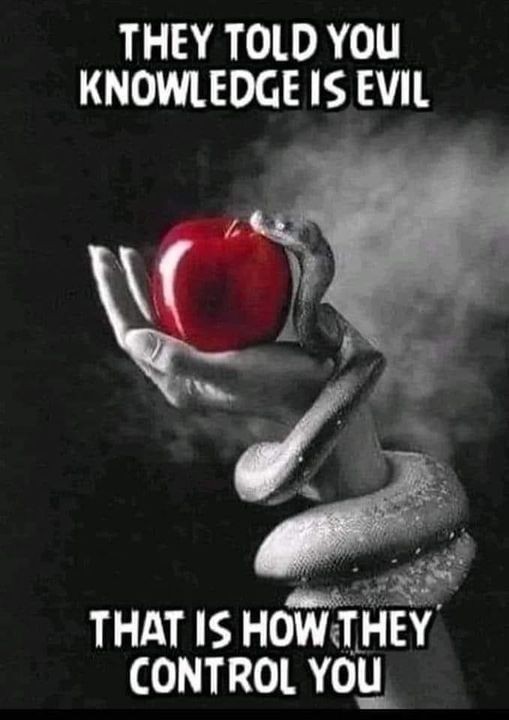
In an age where information is at our fingertips, the influence of media on public perception is more significant than ever. Yet, beneath the glossy surface of news headlines and viral social media posts lies a complex web of power dynamics orchestrated by the world’s oligarchs and billionaires. As economic inequality continues to widen, these wealthy elites have mastered the art of distraction, employing media manipulation as a tool to divert attention from the systemic issues at play. In this blog post, we will delve into how these powerful figures shape narratives, control discourse, and create a smokescreen that obscures the growing chasm between the rich and the poor. By examining case studies, media strategies, and the psychological tactics employed, we aim to uncover the unsettling truth about how wealth influences the stories we consume and the conversations we have—challenging us to question the narratives that dominate our screens and our minds.
1. Introduction: The Intersection of Power and Media
In today’s rapidly evolving media landscape, the interplay between power and media has become increasingly intricate and concerning. At the heart of this dynamic lies a troubling phenomenon: the ability of oligarchs and billionaires to manipulate information and narratives to align with their interests, often diverting public attention away from pressing issues such as economic inequality.
We live in an age where access to information is unprecedented, yet the control of that information is concentrated in the hands of a few. A small number of wealthy individuals and corporations wield significant influence over the media channels that shape our perceptions—television networks, social media platforms, and news outlets. This concentration of power allows them to craft stories that elevate their agendas, obscure their practices, and redirect scrutiny from their wealth accumulation and its societal consequences.
Consider how often discussions around wealth disparity are overshadowed by sensationalized news cycles, celebrity gossip, or politically charged controversies. Instead of highlighting the growing gap between the rich and the poor, media narratives often shift focus to more palatable topics, distracting the public from the systemic issues at play. By skillfully steering conversations away from economic inequality, these powerful figures not only protect their interests but also perpetuate a status quo that favors their continued dominance.
In this blog post, we will explore the various strategies employed by these oligarchs and billionaires to manipulate media narratives, the implications of such actions on public perception and policy, and the vital need for media literacy in a world where information is both a tool and a weapon. As we unravel this tangled web of power and distraction, we aim to shed light on the importance of remaining vigilant against the narratives that seek to obscure the realities of economic inequality.
2. Understanding Oligarchy: Who Are the Oligarchs and Billionaires?
To truly grasp the influence of oligarchs and billionaires on our media landscape, it’s essential to first understand who these individuals are and the power they wield. Oligarchs are typically defined as a small group of powerful individuals who control a disproportionate amount of wealth and resources, often using their financial clout not just to enhance their own fortunes, but to shape politics, culture, and public perception as well. In modern contexts, these figures often emerge from industries such as technology, finance, real estate, and natural resources, where their wealth can be both staggering and opaque.
Billionaires like Jeff Bezos, Elon Musk, and Mark Zuckerberg not only accumulate vast fortunes but also acquire media outlets that can amplify their narratives and interests. For instance, Bezos purchased The Washington Post, while Musk’s acquisition of Twitter has sparked debates about free speech and the responsibilities of platform ownership. These acquisitions grant them significant control over the information that shapes public discourse, allowing them to influence how stories are told and which issues receive attention.
The oligarchic elite often operate through networks of influence, employing lobbyists, think tanks, and philanthropic organizations to further their agendas. They craft carefully curated public identities, presenting themselves as champions of innovation and progress, while simultaneously obscuring the growing chasm of economic inequality that their wealth contributes to. By diverting attention through sensational media narratives or philanthropic endeavors, they effectively shift the conversation away from systemic issues that threaten the fabric of society.
Understanding who these oligarchs and billionaires are is the first step in recognizing the tactics they employ to manipulate media narratives. By identifying their interests, motivations, and the platforms they control, we can begin to peel back the layers of distraction they create, ultimately fostering a more informed public that is aware of the underlying economic inequalities at play. The challenge lies not only in understanding their power but also in questioning the narratives they promote and seeking out the voices that are often drowned out in the cacophony of wealth-driven media influence.
3. The Role of Media in Shaping Public Perception
The role of media in shaping public perception is both powerful and intricate, acting as a double-edged sword in the landscape of information dissemination. In a world where news cycles are relentless and attention spans are fleeting, media outlets wield significant influence over the narratives that dominate public discourse. This influence becomes particularly pronounced when considering the interests of oligarchs and billionaires who often manipulate these narratives to divert attention from pressing issues such as economic inequality.
Media serves as the primary source through which the public receives information, forming opinions based on the stories that are highlighted or downplayed. When wealth and power intersect with media ownership, the potential for bias and agendas to seep into reporting increases dramatically. Billionaires, through their financial stakes in various media platforms, can subtly steer coverage toward topics that serve their interests while redirecting focus away from systemic economic disparities. For instance, sensational news stories about celebrity scandals or viral social media trends can overshadow critical discussions about wage stagnation, wealth concentration, and the shrinking middle class.
Moreover, the framing of economic issues is crucial. When media outlets present economic inequalities as isolated incidents rather than systemic problems, they risk normalizing these disparities, leading the public to accept them as an unfortunate but unchangeable facet of society. In contrast, portraying these issues as collective challenges can galvanize public response and foster a sense of shared responsibility for change.
The advent of social media adds another layer of complexity. While it has democratized information sharing, allowing diverse voices to emerge, it has also ushered in an era of misinformation and distraction. Algorithms designed to optimize engagement often prioritize sensational content over substantive discussions, allowing narratives that downplay economic inequality to flourish. In this environment, oligarchs and billionaires can easily exploit the dynamics of media to maintain the status quo, diverting attention away from their influence and the widening wealth gap.
Ultimately, the media’s role in shaping public perception reflects not just a reflection of society but also the interests and biases of those who control it. Understanding this interplay is essential for fostering a more informed public discourse, one that can effectively address the challenges of economic inequality and hold the powerful accountable.
4. Economic Inequality: A Growing Concern
Economic inequality has emerged as one of the most pressing issues of our time, casting a long shadow over social stability and democratic governance. The gap between the ultra-wealthy and the average citizen is widening at an alarming rate, with a small percentage of individuals and families amassing wealth that surpasses the collective fortunes of entire nations. This stark disparity is not just a statistic; it represents a significant shift in power dynamics, affecting everything from access to education and healthcare to political influence and social mobility.
As the rich continue to grow richer, the middle and lower classes find themselves increasingly marginalized. Wages have stagnated for many, while the cost of living has surged, resulting in a precarious financial landscape for countless households. The ramifications of this inequality extend far beyond economics; they fuel social unrest, breed disillusionment with institutions, and create an environment ripe for political manipulation.
In this context, oligarchs and billionaires wield their influence not just to protect their wealth but also to shape narratives that divert public attention away from these critical issues. They exploit media channels to promote stories that distract from the harsh realities of economic inequality, whether it’s through sensational news cycles, celebrity gossip, or issues that, while important, may not address the systemic failings of our economic systems. By keeping the public focused on fleeting concerns, they effectively obscure the more profound discussions surrounding wealth distribution, labor rights, and the need for regulatory reforms.
The challenge lies in recognizing these tactics and demanding transparency and accountability from both media and those who fund it. As citizens become more aware of the manipulation at play, there is potential for collective action to address the root causes of economic inequality and advocate for a fairer distribution of resources and opportunities. The conversation must shift from distraction to action, urging a reexamination of policies and practices that perpetuate this divide. Only then can we hope to create a society where prosperity is shared and every voice is heard.
5. How Oligarchs Use Media as a Tool for Distraction
In the modern landscape of information consumption, the media has become a powerful weapon in the arsenal of oligarchs and billionaires. By strategically disseminating narratives that divert attention from pressing issues such as economic inequality, these influential figures manipulate public perception and shape the discourse around wealth distribution.
Oligarchs understand that controlling the narrative is just as important as controlling the purse strings. Through ownership of major media outlets and investments in digital platforms, they have the ability to spotlight trivial stories, celebrity scandals, or sensationalized events, effectively drowning out critical conversations about wealth disparity and systemic injustice. When a billionaire philanthropist donates to a charitable cause, for instance, the media often heralds this as a selfless act, conveniently overshadowing the vast fortune amassed through questionable business practices. This creates a distorted image of benevolence, allowing the wealthy to escape scrutiny while shifting the public’s focus onto feel-good stories.
Moreover, the use of social media algorithms amplifies this tactic. Content that provokes strong emotional reactions—be it outrage, amusement, or fear—often takes precedence over more nuanced discussions around economic policy or labor rights. As users scroll through their feeds, they are bombarded with sensational headlines and attention-grabbing visuals, leading to a cycle of distraction that leaves little room for critical reflection. The result is a populace more engaged with the latest viral meme than with the underlying issues contributing to their financial struggles.
In this environment of distraction, oligarchs craft narratives that paint them as the heroes of society—whether through philanthropy, innovation, or public service—while the systemic structures that enable economic inequality remain untouched. By understanding and exploiting the media landscape, they cleverly redirect attention away from the realities of wealth concentration, ensuring that the status quo is maintained. The challenge for the public, therefore, lies in breaking free from this cycle of distraction and fostering a critical awareness of the narratives being presented to them. Only then can genuine conversations about economic inequality take place, challenging the very foundations that allow oligarchs to thrive at the expense of the many.
6. Case Studies: Media Manipulation by Influential Figures
In the realm of media, the narrative is as powerful as the currency that fuels it. Case studies of media manipulation by influential figures reveal how oligarchs and billionaires deftly wield their resources to shape public perception and divert attention from the stark realities of economic inequality.
One striking example is the phenomenon surrounding the Koch brothers, whose vast financial empire has allowed them to fund a network of think tanks, advocacy groups, and media outlets. Through strategic advertising and well-funded campaigns, they have successfully promoted a narrative that emphasizes personal responsibility and free-market ideologies while downplaying the systemic factors contributing to wealth disparity. Their influence has not only reshaped public policy discussions but also perpetuated the idea that the rich are merely the result of hard work, rather than structural advantages.
Similarly, consider the case of Facebook’s Mark Zuckerberg, who, amid ongoing scrutiny of the platform’s role in spreading misinformation and facilitating societal division, has shifted the focus onto philanthropic efforts through the Chan Zuckerberg Initiative. By emphasizing his commitment to education and healthcare, Zuckerberg diverts attention from the broader implications of tech monopolies and the oligarchic control that such platforms exert over information dissemination. This strategic positioning helps cultivate a more favorable public image while deflecting scrutiny from the economic ramifications of his business practices.
Then there’s the media empire of Rupert Murdoch, whose ownership of a vast array of news outlets has allowed him to craft narratives that align with his interests. By prioritizing sensational stories that captivate audiences, Murdoch’s outlets often downplay the systemic issues of wealth concentration and the struggles of the working class. Instead, they promote a culture of distraction—celebrity gossip, political scandals, and sensationalism—that keeps the public engaged but misinformed about the deeper economic issues at play.
These case studies underscore a troubling reality: when power and wealth converge, they create a potent tool for shaping the narrative. Oligarchs and billionaires do not just influence the news; they curate it, steering public discourse away from the profound discussions about inequality and toward topics that serve their interests. As consumers of media, it is crucial to recognize these tactics and seek out diverse sources of information to uncover the underlying truths about economic disparities in our society.
7. The Impact of Social Media on Public Discourse
In the digital age, social media has emerged as a powerful tool that shapes public discourse, often in ways that serve the interests of the wealthy elite. Platforms like Facebook, Twitter, and Instagram have revolutionized how information is disseminated, allowing billionaires and oligarchs to amplify their narratives while simultaneously drowning out critical discussions about economic inequality.
The impact of social media on public discourse cannot be overstated. With the click of a button, influential figures can reach millions, crafting messages that resonate with the masses while steering conversations away from uncomfortable truths. By flooding timelines with sponsored content, curated posts, and sensational headlines, they create a digital landscape filled with distractions. This barrage of information often prioritizes entertainment, celebrity gossip, and political drama over pressing issues like wage stagnation, healthcare access, and the widening wealth gap.
Moreover, algorithms play a significant role in determining what users see, often favoring content that generates engagement, regardless of its relevance to substantive issues. This creates echo chambers where users are continuously exposed to ideas that reinforce their existing beliefs, leaving little room for critical thought or meaningful dialogue about societal challenges. As a result, the narratives pushed by the wealthy can dominate the conversation, effectively sidelining grassroots movements that aim to address economic inequality.
Additionally, social media serves as a double-edged sword; while it can amplify marginalized voices, it can also be weaponized against them. Misinformation campaigns, coordinated trolling, and targeted harassment can silence activists and undermine their efforts to challenge the status quo. The very platforms designed to foster connection and dialogue can, therefore, become tools of manipulation, obscuring the reality of economic disparities and diverting attention from the systemic issues that perpetuate them.
In this context, it becomes imperative for individuals to cultivate critical media literacy skills. By questioning the information they consume and seeking out diverse perspectives, users can push back against the manipulation of public discourse and demand accountability from those in power. Ultimately, understanding the impact of social media on public discourse is a crucial step in reclaiming the narrative surrounding economic inequality and advocating for a more equitable society.
8. Techniques of Distraction: From Sensationalism to Fear-Mongering
In an age where information is omnipresent, the techniques of distraction employed by oligarchs and billionaires have evolved into a sophisticated art form. At the forefront of this manipulation lies sensationalism, a strategy designed to captivate audiences through exaggerated headlines and dramatic narratives that overshadow pressing economic issues. Media outlets often prioritize stories that elicit strong emotional reactions—be it outrage, shock, or awe—drawing attention away from the systemic problems of wealth inequality that plague our society.
Consider how a scandal involving a celebrity can dominate news cycles for weeks, effectively eclipsing discussions about policy changes that favor the affluent or the persistent struggles of everyday citizens. These sensational stories serve to engage viewers, keeping them glued to their screens while the real issues simmer beneath the surface, largely unnoticed.
Fear-mongering is another powerful technique utilized to divert public focus. By amplifying societal fears—whether related to crime, immigration, or public health—media narratives can shift the conversation from economic disparities to anxieties that align more closely with the interests of powerful elites. For instance, news reports that paint a picture of impending chaos or instability can lead to a populace more concerned about safety than the widening wealth gap.
This strategic use of distraction not only shapes public perception but also influences political discourse, creating an environment where the root causes of economic inequality are sidelined in favor of more palatable, albeit misleading, narratives. By recognizing these techniques, we can begin to question the media messages we consume and seek a more informed understanding of the socio-economic landscape that affects us all.
9. The Role of News Cycle in Diverting Attention
In the ever-accelerating landscape of news media, the role of the news cycle plays a pivotal part in shaping public discourse and redirecting focus away from pressing issues like economic inequality. Oligarchs and billionaires, with their vast resources and media influence, skillfully navigate this cycle to cultivate narratives that serve their interests while sidestepping accountability for the widening wealth gap.
The news cycle operates on a relentless 24/7 clock, creating a constant demand for content that captures attention and drives clicks. This urgency often leads to sensationalism and the prioritization of stories that evoke strong emotional reactions, whether through scandal, celebrity antics, or political drama. While these topics undoubtedly generate buzz, they frequently overshadow more systemic issues that require thoughtful analysis and sustained public engagement, such as the mechanisms of wealth concentration or the impact of tax policies on the middle and lower classes.
Billionaires, aware of this dynamic, strategically deploy their media assets to shift the narrative. They may fund think tanks or media outlets that promote a specific agenda, effectively steering the conversation toward topics that distract from their economic practices. For instance, a billionaire might sponsor a high-profile charity event or launch a philanthropic initiative, garnering headlines that celebrate their generosity while diverting scrutiny from their business practices that contribute to economic disparities.
Moreover, the speed at which news cycles operate allows for “news fatigue.” When the public is inundated with a barrage of stories, they may become desensitized, leading to disengagement from critical issues. The result is a populace that is more likely to skim headlines rather than delve into the complexities of economic inequality, leaving the structural problems unchallenged and the powerful unaccountable.
Ultimately, understanding the manipulation of the news cycle by oligarchs and billionaires is crucial for fostering media literacy and encouraging deeper engagement with the issues that matter. By recognizing these tactics, we can begin to shift the conversation back to the root causes of economic inequality, demanding more transparency and accountability from those at the top. In a world where attention is currency, it’s vital to reclaim our focus and prioritize the narratives that truly shape our society.
10. Investigative Journalism vs. Corporate Media: A Comparison
In today’s media landscape, the stark contrast between investigative journalism and corporate media is more pronounced than ever, playing a crucial role in shaping public perception and understanding of economic inequality. Investigative journalism represents the relentless pursuit of truth, often fueled by a commitment to uncovering stories that matter to society. Journalists in this realm dig deep, often spending months or years peeling back layers of deception to expose corruption, malpractice, and the underlying factors contributing to economic disparities. Their work shines a light on issues that powerful elites would prefer to keep hidden, from tax evasion by the wealthy to exploitative labor practices by corporations.
On the other hand, corporate media often operates under a different set of priorities. Funded by large advertisers and vested interests, these media outlets can become conduits for the narratives crafted by the oligarchs and billionaires who hold significant sway over economic policies. Rather than challenging the status quo, corporate media may prioritize sensationalism, entertainment, and clickbait content that garners immediate attention, diverting focus away from the systemic issues at play. This results in a dilution of critical narratives that could provoke meaningful discourse and action regarding economic inequality.
The implications of this disparity are profound. While investigative journalism seeks to empower the public through informed understanding, corporate media can inadvertently perpetuate ignorance, allowing economic inequality to fester unchallenged. As audiences navigate this complex landscape, the choice between supporting investigative outlets that hold power accountable and consuming content from corporate media becomes a pivotal decision, influencing the broader dialogue on wealth distribution and social justice. Ultimately, recognizing the differences between these two forms of media is essential for fostering an informed citizenry capable of advocating for change in an increasingly unequal world.
11. Public Awareness: Recognizing Media Manipulation
In an era where information is as abundant as it is accessible, public awareness of media manipulation has never been more critical. Oligarchs and billionaires wield immense power, not just through their wealth but also through their control over media narratives. Recognizing the tactics they employ to divert public attention from pressing issues like economic inequality is essential for fostering a more informed society.
Media manipulation often takes the form of skewed reporting, sensationalized headlines, and strategically placed advertisements that promote specific agendas. For instance, a billionaire may fund a media outlet to highlight certain philanthropic efforts, thereby casting a favorable light on themselves while conveniently ignoring the broader systemic issues that contribute to wealth disparity. This kind of selective coverage can create a false narrative that obscures the realities of economic inequality.
Moreover, the rise of social media has transformed the landscape of information dissemination, allowing wealthy individuals to amplify their messages directly to the public. Think tanks and lobby groups, often funded by these billionaires, craft narratives that resonate with the masses but distract from the root causes of inequality. For example, discussions around tax reform may be spun to emphasize the potential consequences for the middle class, rather than focusing on how the ultra-wealthy might evade their fair share of taxes.
To combat this manipulation, it’s essential for individuals to cultivate critical thinking skills and develop media literacy. Engaging with diverse sources of information and questioning the motivations behind certain narratives can help individuals discern between genuine news and orchestrated distraction. Public awareness campaigns and educational initiatives aimed at fostering media literacy can empower citizens to recognize when they are being steered away from crucial discussions about economic inequality.
Ultimately, understanding the dynamics of media manipulation is a powerful tool for the public. By shining a light on these tactics and demanding accountability from both media outlets and those who fund them, we can work towards a more transparent and equitable discourse surrounding economic issues. In doing so, we not only challenge the powerful narratives dictated by the elite but also advocate for a more equitable society where the voices of all citizens are heard and valued.
12. Strategies for Critical Media Consumption
In an age where information is abundant and attention spans are fleeting, the art of critical media consumption has never been more essential. As oligarchs and billionaires deftly manipulate media narratives to obscure the stark realities of economic inequality, equipping ourselves with effective strategies becomes crucial for discerning truth from distraction.
First, cultivate a habit of questioning the source of information. Investigate not only the content but also the vested interests behind it. Understanding who funds a media outlet or who is influencing a particular story can provide valuable context. Are the narratives serving to uphold the status quo, or are they challenging the structures that perpetuate inequality?
Next, diversify your media diet. Relying solely on mainstream outlets can lead to a skewed perspective. Seek alternative news sources, independent journalism, and international perspectives that offer critical insights often overlooked by larger media conglomerates. This broader lens will help paint a more comprehensive picture of economic issues.
Moreover, engage in active reflection while consuming media. Take a moment to digest information and consider its implications. Ask yourself: Who benefits from this narrative? Is it designed to provoke outrage, incite fear, or distract from pressing issues? By dissecting the underlying motivations, you become a more informed consumer and a critical thinker.
Lastly, foster discussions with others. Share insights, challenge viewpoints, and promote awareness about the media’s role in shaping public perception. Collective conversations can illuminate blind spots and empower individuals to recognize manipulation tactics.
By adopting these strategies for critical media consumption, we not only arm ourselves against the distractions of the powerful but also contribute to a more informed and engaged society, capable of addressing the pressing issue of economic inequality head-on.
13. The Importance of Supporting Independent Media
In an era where corporate conglomerates wield immense power over news narratives, supporting independent media has never been more crucial. Independent outlets serve as a counterbalance to the mainstream narratives often shaped by oligarchs and billionaires. These entities frequently prioritize profits over public interest, leading to a homogenization of news that glosses over critical issues such as economic inequality and the systemic roots of social injustice.
Independent media, on the other hand, is committed to investigative journalism and the pursuit of truth, often focusing on stories that larger media corporations might overlook or downplay. By covering local issues, marginalized communities, and underreported stories, independent journalists shed light on the realities of economic disparity and the policies that perpetuate it. They delve into the complexities of financial systems, exposing the intricacies behind wealth accumulation and the exploitation that often accompanies it.
Moreover, independent media fosters a vibrant public discourse by encouraging diverse viewpoints and fostering community engagement. These outlets often rely on support from their audiences, which empowers them to remain free from corporate influence and allows them to prioritize journalistic integrity over advertising revenue. By subscribing to, sharing, or donating to independent media, consumers actively contribute to a more balanced and equitable information landscape.
As media consumers, it is our responsibility to seek out and elevate independent voices. In doing so, we not only support a more informed society but also help combat the distractions engineered by the powerful to divert attention from pressing issues of economic inequality. The fight for a just and equitable world begins with the information we consume and promote, making our support for independent media an essential step in holding the powerful accountable.
14. Conclusion: Empowering Audiences to Challenge Distraction
In the battle for attention in today’s media-saturated landscape, audiences must harness their power to challenge the distractions perpetuated by oligarchs and billionaires. It is crucial to recognize that the narratives we consume are often curated to serve specific interests, diverting our gaze from the pressing issue of economic inequality. However, the power lies within the hands of informed consumers who can demand transparency and accountability from those at the helm of media influence.
To empower ourselves, we must cultivate critical thinking and media literacy. This means not only questioning the motives behind the stories we read but also seeking diverse perspectives that challenge the status quo. By actively engaging with independent media sources and supporting journalists dedicated to uncovering the truth, we can break free from the echo chambers that reinforce the status quo and perpetuate distraction.
Furthermore, community engagement plays a pivotal role in this empowerment. By initiating conversations about the impact of wealth concentration and advocating for policies that promote economic equity, we can shift the narrative from one of distraction to one of action and awareness. Grassroots movements and collective efforts can amplify our voices, demanding that economic inequality be addressed rather than ignored.
In conclusion, while the tactics of oligarchs and billionaires may be sophisticated, our resilience and collective consciousness can outmatch their efforts. By remaining vigilant and critical of the information we consume, and by actively participating in dialogues surrounding economic inequality, we can reclaim our narrative and ensure that the voices of the marginalized are heard. It’s time to turn the tide, to challenge distractions, and to fight for a fairer economic landscape that serves everyone—not just the privileged few.
15. Call to Action: Staying Informed and Engaged in Social Issues
In a world where wealth disparities continue to widen, it’s more crucial than ever for individuals to stay informed and engaged with social issues that matter. The influence of oligarchs and billionaires over media narratives means that what we see and hear is often carefully curated to distract us from the pressing realities of economic inequality. To counteract this manipulation, we must take an active role in our information consumption and advocacy.
Start by diversifying your sources of news. Seek out independent journalism, podcasts, and publications that prioritize investigative reporting over sensationalism. By doing so, you can gain a more holistic understanding of the issues at hand, including the ways in which wealth concentration affects our society. Engage with content that challenges the status quo and sheds light on the voices of those often marginalized in mainstream narratives.
Moreover, participation is key. Attend town hall meetings, community forums, or local activism events that focus on economic justice. Not only do these gatherings provide valuable insights, but they also connect you with like-minded individuals who share your commitment to change. Use social media as a tool for advocacy—share articles, initiate discussions, and amplify the voices of activists and organizations working to address inequality.
Finally, consider supporting businesses and initiatives that prioritize ethical practices and community well-being over profit. Your purchasing power can be a powerful statement against the oligarchic behaviors that perpetuate inequality. By staying informed and engaged, you not only empower yourself but also contribute to a broader movement striving for a more equitable society. Remember, change begins with awareness and action—let your voice be a part of the solution.
In conclusion, the intricate dance between power and distraction reveals how oligarchs and billionaires wield media as a tool to obscure the pressing issue of economic inequality. By crafting narratives that captivate public attention and divert focus from systemic injustices, these elite figures not only manipulate the discourse but also perpetuate a cycle of ignorance and apathy. As consumers of media, it is crucial for us to remain vigilant, critically evaluate the information presented to us, and seek out underreported stories that highlight the realities of economic disparity. By doing so, we can reclaim our agency, challenge the status quo, and advocate for a more equitable society. Let’s remain informed, engaged, and committed to shining a light on the truths that those in power would prefer to keep in the shadows. Together, we can foster a more informed public that demands accountability and strives for genuine change.
——————————
 fauxcroft
Leave a comment