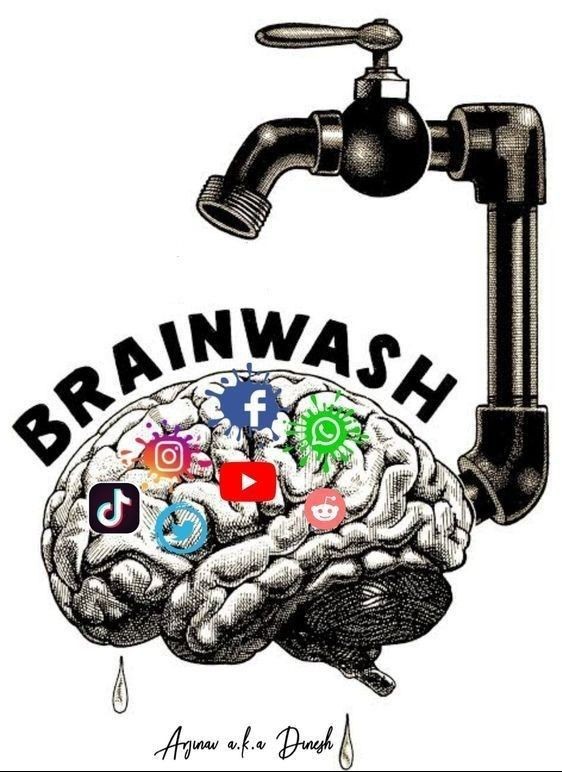
In an age where information flows freely and rapidly, the shadows of misinformation loom larger than ever, casting doubt on the very foundations of truth and trust in our society. The digital landscape, while a treasure trove of knowledge, is equally fraught with peril as false narratives and deceptive headlines spread like wildfire, igniting fear and confusion among the masses. As we navigate this complex terrain, the implications of misinformation extend far beyond mere misunderstanding; they threaten the fabric of our democracy, the integrity of our health systems, and the stability of our communities. In this blog post, we will delve into the multifaceted dangers posed by misinformation, exploring its roots, its impact on public perception, and the urgent need for critical thinking and media literacy in an increasingly polarized world. Join us as we confront the chilling reality of a future driven by lies and fear, and discover how we can reclaim the narrative and champion the truth.
1. Understanding Misinformation: Definitions and Types
In an age where information is at our fingertips and news travels faster than ever, it’s crucial to understand what misinformation truly means and the various forms it can take. At its core, misinformation refers to the dissemination of false or misleading information, regardless of intent. It can encompass a wide range of inaccuracies, from simple misunderstandings to deliberate fabrications aimed at deceiving the public.
One of the primary types of misinformation is **disinformation**, which involves the intentional spread of falsehoods with the aim to mislead. This often includes fabricated news stories or doctored images that are circulated to manipulate public opinion, sow discord, or achieve political ends. In stark contrast, **malinformation** is based on factual information that is presented out of context or exaggerated to create a false narrative. For instance, a legitimate event may be reported with selective details that distort the truth, leading to a skewed perception of reality.
Another prevalent form is **rumors**, which can spread like wildfire in our hyper-connected world. These are unverified accounts or claims that circulate, often taking on a life of their own as individuals share them without seeking confirmation. The rapid nature of social media amplifies this phenomenon, allowing rumors to reach vast audiences in a matter of minutes.
Moreover, we must also consider **conspiracy theories**, which are complex webs of misinformation that often arise during times of uncertainty. They provide simplistic explanations for complicated events and can be deeply ingrained in societal fears, making them particularly resilient to factual rebuttals.
Understanding these definitions and types of misinformation is vital for navigating the modern information landscape. As we confront a future increasingly driven by lies and fear, recognizing the nuances of misinformation empowers us to be more discerning consumers of information. It enables us to question sources, seek out reliable narratives, and foster a more informed public dialogue in the fight against the perils of misinformation.
2. The Rise of Misinformation in the Digital Age
The digital age has ushered in an era of unprecedented access to information, but it has also paved the way for the rampant spread of misinformation. Gone are the days when news was primarily filtered through trusted sources; today, information flows freely across social media platforms, blogs, and forums, often unverified and unchecked. This democratization of information can be a double-edged sword, as the same tools that empower individuals to share their voices also enable the rapid dissemination of falsehoods.
With the click of a button, sensational headlines can go viral, capturing the attention of millions within minutes. Algorithms designed to maximize engagement often reward inflammatory or misleading content, creating echo chambers where misinformation thrives unchecked. As users scroll through their feeds, they may encounter an endless stream of half-truths, conspiracy theories, and doctored images, all presented with a veneer of credibility. This pervasive environment of uncertainty fosters fear and distrust, as individuals struggle to discern fact from fiction.
Moreover, the rise of misinformation is not merely a technological phenomenon; it reflects deeper societal issues. In an age where trust in traditional media and institutions has waned, many turn to alternative narratives that align with their beliefs, further entrenching divisions and polarizing communities. The consequences of this trend are profound, influencing everything from public health responses to political stability. As we navigate this complex landscape, it becomes increasingly vital to cultivate media literacy, encouraging critical thinking skills that empower individuals to question and verify the information they encounter.
In conclusion, the rise of misinformation in the digital age poses significant challenges, demanding a collective effort to confront the lies and fear that threaten to shape our future. By fostering a culture of skepticism and accountability, we can begin to reclaim the narrative and build a more informed society.
3. How Misinformation Spreads: The Role of Social Media
In today’s hyper-connected world, social media has become a powerful catalyst for the rapid spread of misinformation. The very platforms designed to foster communication and community can quickly devolve into echo chambers where falsehoods proliferate unchecked. With billions of users sharing content at lightning speed, a single misrepresented fact or sensational headline can cascade through feeds, gaining traction before anyone has a chance to fact-check or verify its authenticity.
The algorithms that govern social media platforms often prioritize engagement over accuracy, promoting content that generates likes, shares, and comments, regardless of its veracity. This means that sensational stories—those that evoke strong emotions like fear, anger, or shock—are more likely to go viral than calm, reasoned discussions rooted in truth. As users scroll through their feeds, they are bombarded by a barrage of headlines and images, often leading them to consume information without critical analysis.
Moreover, misinformation can be deliberately spread by individuals or groups with specific agendas, further entrenching divisions and amplifying paranoia. The anonymity afforded by social media encourages some to spread falsehoods with little accountability, while the sheer volume of content makes it difficult for users to discern reliable sources from dubious ones. This toxic mix creates an environment ripe for confusion and distrust, where misinformation can masquerade as fact.
As we navigate this complex landscape, it is essential for users to cultivate digital literacy skills, developing an awareness of how misinformation spreads and taking proactive steps to verify the information they encounter. Understanding the role of social media in amplifying false narratives is crucial in confronting the broader implications of misinformation in our society. Only by becoming discerning consumers of information can we hope to mitigate the effects of lies and fear that threaten to undermine the very foundations of our discourse.
4. The Psychological Impact of Misinformation on Society
The psychological impact of misinformation on society is profound and multifaceted, affecting individuals and communities in ways that can alter perceptions, behaviors, and even mental health. In an age where information is readily accessible, the sheer volume can be overwhelming; however, this abundance often includes a significant amount of falsehoods. The brain, wired to seek patterns and make quick judgments, can easily fall prey to misinformation, leading to distorted views of reality.
When people encounter misinformation, especially during times of crisis or uncertainty, it can instill feelings of fear and anxiety. For instance, during the COVID-19 pandemic, rampant misinformation regarding the virus, its transmission, and potential cures not only exacerbated public fear but also led to harmful behaviors and decisions. This fear can morph into a pervasive sense of distrust—not just towards information sources but towards institutions and each other. As individuals become increasingly skeptical of the information they consume, societal cohesion begins to fray, creating an environment ripe for division and conflict.
Moreover, misinformation can contribute to cognitive dissonance, where individuals struggle to reconcile conflicting information with their existing beliefs. This psychological discomfort often leads to a rejection of factual evidence and a reinforcement of false narratives, creating echo chambers that further entrench misinformation. The emotional toll of grappling with these conflicting realities can lead to increased stress, frustration, and helplessness, affecting mental health on a broader scale.
Additionally, the impact of misinformation is not limited to individual psychology; it seeps into the fabric of society, influencing group dynamics and public discourse. When misinformation becomes widespread, it can skew public opinion and policy decisions, leading to a misinformed populace that is unable to engage in meaningful dialogue. As such, the psychological ramifications of misinformation extend far beyond personal beliefs, posing a significant threat to the collective well-being of society.
In confronting a future driven by lies and fear, it is essential to acknowledge and address these psychological impacts. Cultivating critical thinking skills, promoting media literacy, and fostering open, honest conversations are vital steps towards building resilience against the tide of misinformation. Only by understanding the deep psychological scars left by misinformation can we hope to heal and move forward as a more informed and cohesive society.
5. Case Studies: High-Profile Examples of Misinformation
In our quest to understand the profound impact of misinformation, examining high-profile case studies can shed light on the various ways false narratives have shaped public perception, influenced behavior, and even altered the course of events. These instances serve as cautionary tales, illustrating how easily misinformation can spread and the devastating consequences that often follow.
One of the most notable examples is the Pizzagate conspiracy theory that emerged during the 2016 U.S. presidential election. The unfounded claim suggested that a Washington, D.C., pizzeria was the center of a child trafficking ring involving high-profile politicians. Despite the lack of evidence, the story gained traction on social media, leading to real-world consequences, including a gunman entering the pizzeria, armed and ready to confront the supposed perpetrators. This incident not only showcased the dangers of misinformation but also highlighted the power of social media as a catalyst for spreading false claims.
Another significant case is the anti-vaccine movement, which gained momentum in the early 2000s after a fraudulent study falsely linked the MMR (measles, mumps, and rubella) vaccine to autism. Despite the study being debunked and retracted, fear and confusion persisted, leading to a decline in vaccination rates and a resurgence of preventable diseases. This example underscores how a single piece of misinformation can ripple through society, affecting public health and safety.
The COVID-19 pandemic further amplified the dangers of misinformation, with rampant falsehoods about the virus’s origins, prevention methods, and treatment options circulating at an alarming rate. From claims about miracle cures to conspiracy theories regarding the virus’s creation, these fabrications not only hindered effective public health responses but also fueled fear and division within communities.
These case studies highlight the urgent need for vigilance and critical thinking in our media consumption. They remind us that misinformation is not just a harmless error; it can lead to real-world consequences, sowing discord and mistrust in society. As we confront a future increasingly driven by lies and fear, understanding these examples can empower us to seek the truth and advocate for informed dialogue in our communities.
6. The Consequences of Misinformation in Public Health
In an era where information is accessible at our fingertips, the consequences of misinformation in public health have emerged as a critical challenge that can no longer be ignored. Misinformation can spread like wildfire, fueled by social media platforms and the rapid sharing of unverified data, leading to a cascade of harmful effects on individual and community health.
One of the most glaring examples of this phenomenon is seen during health crises, such as the COVID-19 pandemic. False claims about the virus’s origins, prevention methods, and treatment options proliferated, creating confusion and distrust among the public. People were bombarded with contradictory messages, from miracle cures to unfounded fears about vaccines, leaving many unsure of whom to believe. This uncertainty resulted in hesitance to seek medical guidance or adhere to public health recommendations, ultimately prolonging the crisis and worsening its impact.
The consequences extend beyond just individual choices; they can lead to widespread public health failures. For instance, when misinformation about vaccination safety spreads, it can result in lower inoculation rates, which compromises herd immunity and allows preventable diseases to resurge. Communities that fall victim to such misinformation may experience outbreaks of diseases thought to be under control, placing vulnerable populations, including children and the elderly, at significant risk.
Moreover, the psychological toll of misinformation can be profound. The fear and anxiety generated by false information can exacerbate mental health issues, leading to increased stress and a sense of helplessness. When people feel that they cannot trust the information presented to them, it erodes their confidence in public health officials and institutions, making it even more difficult to manage health crises effectively.
In this complex landscape, combating misinformation requires a multifaceted approach. Public health organizations must prioritize transparency and clear communication, utilizing trusted voices within communities to dispel myths and provide accurate information. Educating the public on how to critically evaluate sources and encouraging media literacy can empower individuals to navigate the overwhelming tide of information. Ultimately, addressing the consequences of misinformation in public health is not just about protecting individual health; it is about safeguarding the well-being of society as a whole.
7. Misinformation in Politics: Eroding Trust in Institutions
Misinformation in politics has emerged as a formidable adversary, eroding the foundational trust that citizens place in their institutions. In an age where information travels faster than ever, the deliberate spread of false narratives can sow seeds of doubt and division among the populace. This phenomenon is not limited to any single political party or ideology; rather, it transcends boundaries, impacting democracies and autocracies alike.
As citizens find themselves bombarded with conflicting news reports, conspiracy theories, and sensationalist claims, the line between fact and fiction blurs. This confusion can lead to widespread disillusionment with political leaders and democratic processes, prompting individuals to question the very integrity of their institutions. When trust erodes, so too does civic engagement; citizens become apathetic and disengaged, feeling that their voices and votes carry little weight in a system seemingly driven by deceit.
The repercussions of this misinformation cascade through society, leading to polarized communities where dialogue is replaced by hostility and debate is overshadowed by anger. Political campaigns have increasingly harnessed the power of social media to spread misleading information, often prioritizing sensationalism over substance. This not only distracts from critical issues but also creates an environment where misinformation thrives, hindering informed decision-making.
As we confront this perilous landscape, it becomes imperative for individuals to cultivate critical thinking skills and seek out reliable sources of information. Media literacy must be prioritized in educational systems, empowering future generations to discern truth from falsehood. Only by confronting the challenge of misinformation head-on can we hope to rebuild trust in our political institutions and foster a healthier, more informed society. The future of democracy depends on our ability to challenge the lies that seek to divide us and to embrace the truth that has the power to unite.
8. Strategies for Identifying Misinformation
In an age where information travels at lightning speed, the ability to discern fact from fiction has never been more crucial. Misinformation can spread like wildfire, fueled by social media algorithms and sensational headlines. To navigate this treacherous landscape, it’s essential to arm yourself with effective strategies for identifying misinformation.
**1. Check the Source:** Start by investigating the origin of the information. Is it from a reputable news outlet or a random blog? Trusted sources typically have established editorial standards and accountability. Cross-referencing the information against multiple credible sources can help to verify its authenticity.
**2. Analyze the Author:** Who wrote the piece? Research the author’s credentials and background. Are they an expert in the field they’re discussing? Look for bios, previous articles, and their affiliations to determine whether they have the expertise to comment on the subject matter.
**3. Evaluate the Evidence:** Good journalism relies on solid evidence. Examine the data, statistics, and citations provided. Are they from credible studies or surveys? Check if the claims made are supported by factual information, and be wary of articles that lack concrete evidence or rely heavily on anecdotal experiences.
**4. Watch for Bias:** Every source has its own perspective, and recognizing bias is key to understanding the information presented. Look for emotionally charged language or one-sided viewpoints that may indicate an agenda. A balanced article will present multiple sides of an issue, allowing readers to form their own opinions.
**5. Use Fact-Checking Websites:** Resources like Snopes, FactCheck.org, and PolitiFact specialize in debunking false claims and verifying information. These platforms can be invaluable for quickly assessing the veracity of viral stories or dubious claims circulating online.
**6. Consider the Context:** Context is everything. A statement taken out of context can be misleading. Ensure that you understand the broader situation surrounding the information. Ask yourself: What’s the bigger picture? Who benefits from this narrative?
**7. Trust Your Instincts:** If something seems too sensational to be true, it often is. Cultivating a healthy skepticism can help you to question information before accepting it at face value. Engage in discussions with others to gain different perspectives, which can foster a deeper understanding of complex topics.
By being vigilant and employing these strategies, you can better navigate the murky waters of misinformation. In a world increasingly driven by lies and fear, informed individuals can stand as beacons of truth, fostering a more educated and resilient society.
9. The Role of Critical Thinking in Combating Lies
In an age where misinformation spreads like wildfire, the importance of critical thinking cannot be overstated. It serves as our first line of defense against the pervasive nature of falsehoods that infiltrate our social media feeds, news outlets, and even everyday conversations. Critical thinking equips individuals with the tools to analyze information, question its validity, and discern fact from fiction.
At its core, critical thinking involves a systematic approach to evaluating claims and evidence. It encourages us to ask probing questions: What is the source of this information? Is it credible? What biases might influence the narrative being presented? By fostering a mindset of skepticism and inquiry, we empower ourselves to challenge the narratives that often go unexamined.
In a world dominated by sensational headlines and emotionally charged content, critical thinking helps us maintain a level-headed perspective. It allows us to recognize when information is designed to provoke fear or manipulate our emotions. By dissecting the motivations behind the information we encounter, we can better understand the broader context and make informed decisions.
Moreover, critical thinking is not just an individual endeavor; it’s a collective responsibility. As we engage in discussions with friends, family, and colleagues, we have the opportunity to model critical thinking skills and encourage others to do the same. By fostering an environment where questioning and dialogue are welcomed, we can create a culture that values truth and integrity over sensationalism and deceit.
In essence, critical thinking is our shield against the onslaught of misinformation. It nurtures our ability to think independently, form educated opinions, and ultimately confront the challenges of a future driven by lies and fear. By honing this essential skill, we not only protect ourselves but also contribute to a more informed and resilient society.
10. Media Literacy: Educating the Public for a Better Future
In an age where misinformation spreads like wildfire, fostering media literacy is more crucial than ever. Media literacy equips individuals with the skills needed to critically evaluate the vast sea of information they encounter daily. It empowers them to discern credible sources from dubious ones, recognize bias, and understand the nuances of media production.
Imagine a society where every citizen is equipped to navigate the complexities of the digital landscape. People would engage in thoughtful discussions, grounded in facts rather than fear. They would question sensational headlines, seek out diverse perspectives, and approach information with a healthy skepticism. This kind of engagement not only enhances individual understanding but also strengthens the democratic process, creating a more informed electorate that demands accountability from media outlets and governments alike.
Educational institutions play a pivotal role in this transformation. By integrating media literacy into curricula, educators can cultivate critical thinkers from a young age. Workshops, seminars, and community programs can further extend this education beyond school walls, ensuring that people of all ages have the tools necessary to confront misinformation head-on.
Moreover, technology companies have a responsibility to contribute to media literacy efforts. By promoting transparency in algorithms and providing users with resources to verify information, they can help create an informed user base capable of resisting the tide of falsehoods.
Ultimately, investing in media literacy is an investment in our collective future. It is a powerful antidote to the perils of misinformation, fostering a culture of inquiry and resilience. As we confront the challenges that come with a world driven by lies and fear, educating the public becomes not just beneficial, but essential for cultivating a society that values truth, transparency, and trust.
11. Tools and Resources for Fact-Checking Information
In an age where misinformation spreads like wildfire, equipping ourselves with the right tools and resources for fact-checking is more crucial than ever. With the click of a button, false narratives can proliferate across social media platforms, leading to confusion and eroding trust. Thankfully, there are several reliable resources available that empower individuals to discern fact from fiction.
First up are dedicated fact-checking websites like Snopes, FactCheck.org, and PolitiFact. These platforms meticulously investigate claims, providing clear and concise explanations on their findings. Whether it’s a viral social media post or a dubious news article, these sites act as a beacon of truth, breaking down the veracity of information and offering source links for further exploration.
Additionally, browser extensions like NewsGuard and the Fake News Detector can be invaluable assets in your digital toolkit. These tools analyze the credibility of news websites and flag potentially misleading content, allowing you to make informed decisions about what you read and share.
For those who prefer a more community-driven approach, platforms like Reddit and specialized forums often host discussions where users can collaboratively debunk false information. Engaging with knowledgeable communities can not only help clarify doubts but also foster critical thinking skills, enabling you to approach information with a discerning eye.
Lastly, educational resources like media literacy courses can equip you with the skills needed to evaluate sources critically and recognize bias. Many organizations and universities offer online courses that cover essential topics, from understanding the media landscape to identifying logical fallacies.
By leveraging these tools and resources, we can collectively combat the tide of misinformation. In doing so, we not only protect ourselves but also contribute to a more informed society, where truth prevails over lies and fear.
12. The Responsibility of Tech Companies in Addressing Misinformation
In an age where information travels faster than the speed of light, tech companies find themselves at the epicenter of a growing crisis: the proliferation of misinformation. As platforms that facilitate the exchange of ideas, news, and opinions, they bear a significant responsibility in curbing the spread of falsehoods. Their algorithms, designed to prioritize engagement and retain user attention, often inadvertently amplify sensationalist content over factual reporting. This not only skews public perception but also fosters an environment ripe for misunderstanding and fear.
Tech companies, from social media giants to search engines, must confront the dual challenge of balancing free expression with the imperative of truth. This responsibility extends beyond mere content moderation; it encompasses the need for transparency in how information is prioritized and disseminated. Implementing robust fact-checking mechanisms, promoting credible sources, and providing users with context around contentious topics are critical steps in this process.
Moreover, these companies must invest in user education, equipping individuals with the tools to discern fact from fiction. Digital literacy programs, clear reporting channels for misinformation, and proactive communication about the dangers of false information can empower users to navigate the digital landscape more responsibly.
As we forge ahead into a future increasingly shaped by technology, the onus is on tech companies to lead the charge against misinformation. Their actions—or lack thereof—will not only determine the integrity of information but also influence societal trust and cohesion. In this battle against the tide of lies and fear, accountability and ethical stewardship are not just advisable; they are essential.
13. Building Resilient Communities Against Misinformation
In an age where misinformation spreads faster than the truth, building resilient communities is more crucial than ever. The fabric of society is woven together by the threads of trust, understanding, and shared knowledge. To combat the pervasive nature of false information, communities must foster environments where critical thinking and open dialogue thrive.
Start by encouraging local discussions that promote media literacy, teaching individuals how to discern credible sources from dubious ones. Workshops, seminars, and community events can serve as platforms for educating citizens about the tactics used to disseminate misinformation, empowering them to identify and question the narratives they encounter online.
Moreover, creating safe spaces for dialogue allows diverse voices to come together, sharing their perspectives and insights. By fostering a culture of curiosity rather than one of conflict, communities can cultivate a sense of solidarity that strengthens their resistance to divisive misinformation.
In addition, leveraging local media—such as community newsletters, podcasts, and social media groups—can help disseminate factual information while providing a counter-narrative to misleading claims. When communities take charge of their narratives, they can reclaim their agency and ensure that truth prevails over fear.
Ultimately, building resilient communities against misinformation requires collective effort and commitment. By promoting education, encouraging dialogue, and supporting local media, communities can create a robust defense against the corrosive effects of lies, ensuring that they stand united and informed in the face of adversity. In doing so, they not only protect themselves but also pave the way for a future where truth and transparency thrive.
14. Future Trends: How Misinformation May Evolve
As we navigate an increasingly digital landscape, the evolution of misinformation presents a profound challenge for individuals and societies alike. Future trends suggest that misinformation will become even more sophisticated, leveraging advanced technologies like artificial intelligence and deepfake capabilities that blur the lines between reality and fabrication. These tools may allow for the creation of hyper-realistic videos and audio recordings that can deceive even the most vigilant viewers, making it increasingly difficult to discern fact from fiction.
Moreover, as algorithms governing social media platforms continue to prioritize engagement over accuracy, the spread of sensationalized or misleading content is likely to accelerate. In this environment, misinformation may not only thrive but also adapt, becoming more personalized based on user behavior and preferences. This tailored approach could lead to echo chambers where individuals are bombarded with misleading information that reinforces their existing beliefs, further polarizing public opinion and eroding trust in credible sources.
Additionally, the rise of decentralized platforms and blockchain technology could create new avenues for misinformation to flourish. While these technologies promise greater transparency, they may also empower bad actors to disseminate false information with impunity, complicating efforts to establish accountability.
As we look to the future, it is essential to develop robust media literacy programs and critical thinking skills that equip individuals to navigate this evolving landscape. A collective commitment to truth, transparency, and fact-checking will be crucial in confronting the perils of misinformation. By fostering a culture of skepticism toward unverified information and supporting initiatives that promote accuracy, we can begin to combat the tide of deceit and misinformation that threatens to undermine the very fabric of our society. The path forward may be fraught with challenges, but with awareness and proactive measures, we can work toward a future where truth prevails over lies and fear.
15. Conclusion: Taking Action Against Misinformation for a Safer Tomorrow
In conclusion, confronting the pervasive threat of misinformation is not just a responsibility; it is a collective imperative for fostering a safer and more informed society. As we navigate an increasingly complex digital landscape, the consequences of spreading falsehoods can ripple across communities, instilling fear, sowing division, and undermining trust in institutions. However, the power to combat misinformation lies within each of us.
Taking action begins with education—cultivating critical thinking skills that enable individuals to discern credible information from sensationalist rhetoric. Encouraging open dialogues about media literacy can empower people to question sources, verify facts, and recognize biases that often cloud judgment. Additionally, supporting platforms and organizations dedicated to fact-checking can create a robust defense against the tide of disinformation.
Moreover, we must hold ourselves accountable. Sharing information without verification can perpetuate misinformation. By committing to responsible sharing practices and fostering an environment where accuracy is prioritized over sensationalism, we can collectively alter the narrative. Community initiatives, workshops, and campaigns aimed at raising awareness about the dangers of misinformation can galvanize action at the grassroots level.
Ultimately, a safer tomorrow hinges on our willingness to confront lies and fear with vigilance and integrity. By standing united against misinformation, we not only protect ourselves but also uphold the values of truth and transparency that are essential for a thriving democracy. It is time for all of us to take a stand—because together, we can shape a future defined by knowledge, understanding, and resilience against the forces that seek to mislead us.
As we navigate an increasingly complex information landscape, it becomes vital to confront the perils of misinformation with vigilance and discernment. In this blog post, we explored the profound impact of false narratives on society, from eroding trust in institutions to fueling division among communities. It is crucial for each of us to become proactive consumers of information, questioning sources, seeking out verified facts, and fostering open dialogues that prioritize truth over sensationalism. By cultivating critical thinking and media literacy, we can combat the tide of lies and fear that threatens to shape our future. Together, let us commit to creating a well-informed society, where knowledge triumphs over misinformation, and where truth becomes the foundation upon which we build a more hopeful and resilient world. Your engagement and commitment to this cause can make a significant difference—let’s stand together for truth in an era of uncertainty.
——————————
Image courtesy of pinterest
 fauxcroft
Leave a comment