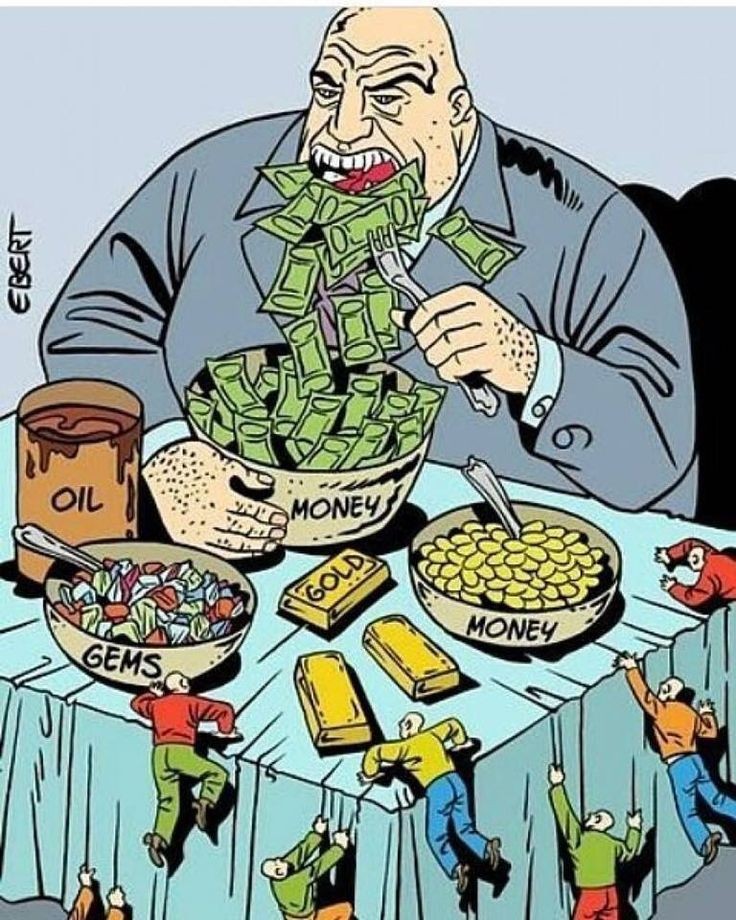
In an era where consumerism reigns supreme, the intricate relationship between banks, corporations, and the average consumer often goes unnoticed. Yet beneath the glossy advertisements and the allure of convenience lies a complex web of influence and power that shapes our financial landscape in profound ways. “The Silent Powers: Exposing the Corruption of Banks and Corporations in a Consumer-Driven Society” delves into the subtle yet insidious mechanisms that allow these entities to wield disproportionate power over our lives. From predatory lending practices that ensnare the unsuspecting, to corporate lobbying that prioritizes profit over the public good, we will explore the hidden forces at play and how they manipulate consumer behavior. Join me as I shine a light on these silent powers, revealing the often-overlooked consequences of unchecked corporate greed and the urgent need for transparency and accountability in a society that is all too willing to look the other way.
1. Introduction: Understanding the Silent Powers
In the intricate web of modern society, where consumerism reigns supreme, a shadowy force operates just beneath the surface. These are the silent powers—banks and corporations—that wield immense influence over our daily lives, often without our conscious awareness. As consumers, we navigate a marketplace filled with enticing products, persuasive marketing, and seemingly endless choices, yet the underlying mechanisms driving these interactions are often shrouded in mystery.
This blog post seeks to expose the intricate relationship between these entities and the consumers they serve, revealing how their actions and decisions shape not only the economy but also our values, behaviors, and perceptions. With the rise of digital transactions, online shopping, and instant gratification, the dynamics have shifted, allowing these silent powers to operate with unprecedented reach and impact.
Understanding the corruption within banks and corporations requires us to look beyond the surface-level transactions and examine the systems that enable such behavior. From predatory lending practices to corporate lobbying that influences legislation, the consequences of this corruption ripple through our society, affecting everything from our financial security to the quality of goods and services available to us.
As we delve deeper into this topic, we will explore how these silent powers manipulate consumer behavior, foster dependency, and ultimately dictate the terms of our engagement in a consumer-driven society. By illuminating these hidden influences, we hope to empower readers to make informed choices and advocate for a more transparent, ethical marketplace. Join me as I embark on this journey to uncover the silent powers that shape our world.
2. Defining Corruption in Banks and Corporations
Corruption in banks and corporations can manifest in various insidious forms, deeply entwined within the fabric of our consumer-driven society. At its core, corruption undermines the principles of integrity, fairness, and transparency that are essential for fostering trust between businesses and the communities they serve. To define corruption in this context, we must first consider the behavior that deviates from ethical standards and regulatory frameworks, ultimately prioritizing profit over the welfare of individuals and society at large.
In banks, corruption often takes shape through practices such as insider trading, fraud, and money laundering. These activities not only distort market dynamics but also erode public confidence in financial institutions. When banks prioritize short-term gains or engage in deceptive practices to boost their bottom line, they compromise the safety and security of the very customers they are meant to protect. The fallout can be catastrophic, leading to economic instability and loss of consumer trust.
Similarly, corporations can fall prey to corruption through bribery, unethical lobbying, and the manipulation of financial reporting. Corporations may prioritize their interests by fostering relationships with government officials to gain favorable treatment, often at the expense of public welfare and environmental sustainability. When profit margins are pursued without regard for ethical considerations, the consequences can ripple through communities, perpetuating inequality and undermining the very foundations of democracy.
As consumers, it is essential to recognize these corrupt practices and understand their implications. By defining corruption in banks and corporations, we illuminate the shadows in which these entities operate and empower ourselves to demand greater accountability and transparency. In a world where consumer choices can drive significant change, understanding corruption is the first step toward advocating for a more equitable and ethical marketplace.
3. The Role of Consumerism in Modern Society
In today’s fast-paced world, consumerism stands as a dominant force shaping our everyday lives and the very fabric of modern society. It drives not only our purchasing decisions but also influences cultural norms, societal values, and even political landscapes. The relentless pursuit of the latest gadgets, fashion trends, and luxury goods has transformed individuals into hyper-consumers, often prioritizing material possessions over meaningful experiences or relationships.
At its core, consumerism fosters a cycle of desire and satisfaction, where the act of consumption becomes an integral part of our identity. The allure of advertising and marketing campaigns creates an insatiable hunger for more, urging consumers to keep up with the latest trends and status symbols. As a result, we find ourselves trapped in a paradox: while we seek happiness and fulfillment through purchasing, the fleeting satisfaction derived from new acquisitions often leaves us yearning for more.
This cycle of consumerism does not exist in isolation; it intricately weaves into the operations of banks and corporations. Financial institutions thrive on this constant need for consumption, promoting credit systems that encourage individuals to spend beyond their means. Corporations, in turn, capitalize on this behavior by creating products designed not only to be functional but also to evoke emotional responses, reinforcing the belief that happiness can be purchased.
Moreover, consumerism affects our perception of value. As we prioritize convenience and instant gratification, we often overlook ethical considerations surrounding the products we buy. This contributes to a culture of complacency, where the actions of banks and corporations may go unchecked, leading to practices that prioritize profit over people and the planet.
In unpacking the role of consumerism in modern society, it’s essential to recognize its dual nature: while it fuels economic growth and innovation, it also perpetuates cycles of overconsumption and environmental degradation. Understanding this dynamic is crucial as we navigate the complexities of a consumer-driven world, and it raises important questions about our responsibility as consumers in advocating for transparency, sustainability, and ethical practices within the banking and corporate spheres.
4. Historical Background: A Brief Overview of Banking and Corporate Corruption
To truly understand the current landscape of banking and corporate corruption, it’s essential to delve into the historical context that has shaped these institutions over centuries. The roots of corruption within banks and corporations can be traced back to the very inception of these entities, where the quest for profit often overshadowed ethical considerations and social responsibility.
The banking system, as we know it today, began to take form in the late Middle Ages with the establishment of the first banks in Italy, which primarily served the wealthy elite. These institutions quickly learned that lending money, often at exorbitant interest rates, could yield significant returns. However, this practice laid the groundwork for a culture of greed and exploitation, where the lines between legal and illegal began to blur. The infamous Medici Bank, for example, while instrumental in Europe’s economic growth, was also embroiled in scandals that showcased the conflict of interest and corruption that plagued financial dealings.
Fast forward to the 19th and 20th centuries, when the rapid industrialization of the world propelled corporations to new heights. With their growing influence, these entities often operated with little oversight, leading to practices that prioritized profit over ethics. The Gilded Age in the United States is a prime example, marked by corporate monopolies and rampant corruption, where business leaders like John D. Rockefeller and Andrew Carnegie amassed incredible wealth while exploiting workers and manipulating markets. The lack of regulatory frameworks during this period allowed for the proliferation of corrupt practices, from bribery to stock manipulation.
As the century progressed, significant events such as the Great Depression and the Enron scandal forced society to confront the consequences of unchecked corporate power. These crises led to the establishment of regulatory bodies and reforms aimed at curbing corruption. However, the oscillation between regulation and deregulation has left a lingering vulnerability, one that modern banks and corporations still exploit today.
In our consumer-driven society, the repercussions of this historical backdrop are evident. The interplay between corporate interests and consumer behavior continues to shape the ethical landscape of banking, often resulting in practices that prioritize profit margins over societal welfare. Understanding this historical context is crucial for unpacking the complexities of banking and corporate corruption today, as it reveals the deep-seated challenges that consumers face in holding these institutions accountable.
5. Case Studies: Notable Examples of Corporate Scandals
In the complex web of our consumer-driven society, the corruption of banks and corporations has often been brought to light through a series of high-profile scandals that reveal the darker side of corporate ambition. These case studies serve as cautionary tales, illustrating the lengths to which some organizations will go in pursuit of profit, often at the expense of ethical standards and consumer trust.
One of the most notorious examples is the Enron scandal, which rocked the business world in the early 2000s. Once hailed as a titan of the energy sector, Enron’s downfall was precipitated by a massive accounting fraud that hid billions in debt from shareholders and regulators. The scandal unveiled a corporate culture rife with deceit, where executives prioritized personal gain over transparency. The fallout was catastrophic, leading to thousands of employees losing their jobs and retirement savings, ultimately culminating in the company’s bankruptcy and the dissolution of Arthur Andersen, one of the five largest audit and accountancy partnerships in the world.
Similarly, the Volkswagen emissions scandal — often referred to as “Dieselgate” — exposed the lengths to which a company would go to maintain its image while compromising environmental standards. In 2015, it was revealed that Volkswagen had installed software in millions of vehicles that manipulated emissions tests, allowing cars to pass regulations while emitting pollutants far above legal limits. The scandal not only tarnished Volkswagen’s reputation but also sparked global discussions on corporate accountability and environmental responsibility.
Another striking example is the 2008 financial crisis, largely attributed to rampant greed and irresponsible lending practices within major banks and financial institutions. The crisis was fueled by predatory mortgage lending, the packaging of risky loans into complex financial products, and a lack of regulatory oversight. The aftermath led to widespread economic hardship, with millions losing their homes and livelihoods. This scandal not only highlighted the fragility of the banking system but also prompted a reevaluation of regulatory measures to prevent future abuses.
These case studies, while varied in nature, all underscore a common theme: the consequences of prioritizing profit over ethics. They serve as stark reminders of the importance of corporate responsibility and the need for transparency in a consumer-driven society. As consumers, we have the power to demand accountability from the corporations we support, and by understanding these scandals, we can make more informed choices that promote ethical business practices.
6. The Impact of Corruption on the Economy
Corruption within banks and corporations casts a long shadow over the economy, creating ripples that can destabilize entire markets and diminish public trust. At its core, corruption distorts the very principles of free-market capitalism, where competition and innovation should thrive. When financial institutions engage in unethical practices—be it through fraudulent lending, insider trading, or manipulating market conditions—they undermine the integrity of the financial system and create an uneven playing field.
The impact of such corruption manifests in numerous ways. First, it leads to misallocated resources; funds that could have fueled genuinely innovative startups or sustainable projects instead prop up failing enterprises or enrich corrupt executives. This misallocation stifles economic growth and hampers job creation, leaving communities and families to bear the brunt of lost opportunities.
Moreover, corruption breeds volatility. Investors, both domestic and foreign, are less likely to commit their resources to a market riddled with ethical violations. This hesitance translates into reduced capital inflows, stunting development and leading to greater economic inequality. Those at the bottom of the economic ladder suffer the most, as they rely on stable conditions for employment and access to resources.
In addition, the erosion of trust in banks and corporations can lead to a lack of consumer confidence. When consumers feel that they are being taken advantage of or that the system is rigged against them, they may withdraw from the marketplace altogether, leading to decreased spending and, ultimately, a slowdown in economic activity.
The ramifications of corruption extend far beyond the balance sheets of individual companies; they seep into the fabric of society, fostering a culture of cynicism and disengagement. As awareness of these issues grows, so too does the imperative for transparency and accountability. It is essential for consumers to demand ethical practices from the institutions they support, thereby fostering a healthier economy that truly serves the needs of the many, rather than the few.
7. How Consumer Behavior Fuels Corporate Practices
In today’s consumer-driven society, the interplay between consumer behavior and corporate practices is both intricate and influential. At the heart of this relationship lies a fundamental truth: corporations often mirror the desires and habits of the consumers they serve. When consumers prioritize convenience and instant gratification, businesses adapt by streamlining processes and minimizing friction, even if it means compromising ethical standards or environmental responsibilities.
Take, for example, the rise of fast fashion. Driven by a consumer base eager for the latest styles at unbeatable prices, corporations have thrived on a model that prioritizes speed and affordability over sustainability. This trend has not only fostered a culture of disposability—where garments are worn just a few times before being discarded—but has also perpetuated exploitative labor practices in developing countries, where workers often toil under inhumane conditions for meager pay.
Moreover, the digital age has ushered in an era of immediacy, where online shopping and quick delivery services reign supreme. In response, corporations have increasingly focused on optimizing their logistics and supply chain efficiencies, sometimes at the expense of ethical considerations. The desire for speedy fulfillment can lead to practices that exploit workers and degrade local economies.
This cycle of consumer preference fueling corporate behavior highlights a broader societal issue: when consumers prioritize cost and convenience, they inadvertently encourage practices that can lead to corruption and exploitation. It is crucial for consumers to recognize the power they wield through their purchasing decisions. By choosing to support ethically responsible brands and demanding transparency, consumers can reshape corporate practices, steering them toward sustainability and ethical integrity rather than mere profit maximization.
In essence, the relationship between consumer behavior and corporate practices is a powerful one. Consumers hold the reins; their choices can either reinforce problematic practices or challenge corporations to operate with greater accountability. Understanding this dynamic is key to fostering a marketplace that prioritizes ethical considerations over mere convenience and profit.
8. The Relationship Between Government and Corporations
The relationship between government and corporations is a complex and often contentious dance, one that shapes the very fabric of our consumer-driven society. At first glance, this relationship appears mutually beneficial: governments rely on corporations to drive economic growth, create jobs, and generate tax revenue, while corporations depend on the government to provide a stable regulatory environment and infrastructure that supports their operations. However, beneath this surface lies a more intricate web of influence, where power dynamics can blur the lines between public interest and corporate agendas.
In many cases, corporations wield significant influence over government policies, often through lobbying and campaign contributions. This creates a scenario where decisions that should prioritize the welfare of the public may instead cater to the interests of a select few. For instance, tax breaks and subsidies can be awarded to large corporations, enabling them to flourish while smaller businesses struggle to compete. This favoritism can lead to a concentration of wealth and power, perpetuating a cycle of inequality that hampers true economic progress.
Moreover, the intertwining of government and corporate interests can lead to regulatory capture, where agencies meant to oversee and regulate corporate behavior become overly sympathetic to those they are supposed to regulate. This phenomenon can lead to lax enforcement of laws designed to protect consumers, resulting in practices that may prioritize profit over ethical standards or public safety. As corporations engage in practices such as greenwashing or exploiting loopholes in labor laws, consumers are left to navigate a marketplace that is often rife with deception and exploitation.
The implications of this relationship extend far beyond the boardroom or the halls of government. As consumers, we must grapple with our roles in this dynamic, questioning the ethics of the brands we support and the policies that shape our economic landscape. By advocating for greater transparency and accountability, we can help rebalance this relationship, ensuring that the interests of the many are not overshadowed by the ambitions of the few. Understanding the intricate ties between government and corporations is a crucial step in unpacking the silent powers that influence our lives and our society at large.
9. The Role of Media in Exposing Corruption
In an age where information flows as freely as the air we breathe, the media serves as a crucial watchdog, illuminating the dark corners of corruption that might otherwise remain hidden. The role of media in exposing corruption within banks and corporations is not just important; it is essential for a functioning democracy and a consumer-driven society. With the power to shape narratives, inform the public, and hold the powerful accountable, the media plays a pivotal part in the fight against unethical practices.
Investigative journalism, in particular, has a long and storied tradition of bringing corruption to light. From the Watergate scandal to the recent revelations of corporate malfeasance, journalists have bravely taken on the challenge of uncovering wrongdoing, often at great personal risk. Through meticulous research, interviews, and data analysis, they reveal the intricate webs of deceit spun by individuals and organizations seeking to prioritize profit over ethics.
Moreover, the rise of digital media has transformed the landscape of corruption reporting. Social media platforms allow users to share information rapidly, creating a collective consciousness that holds corporations accountable. Whistleblowers can bypass traditional channels to expose misconduct, often garnering widespread attention and public outrage. This democratization of information empowers consumers, enabling them to make informed choices about the companies they support.
However, the media’s role is not without its challenges. Sensationalism can sometimes overshadow substantive reporting, leading to misinformation and distrust among the public. Additionally, corporate interests often attempt to manipulate or control media narratives, creating a complex interplay between financial power and journalistic integrity. This is where ethical journalism becomes paramount; media outlets must adhere to rigorous standards of reporting, ensuring that their work serves the public interest rather than the interests of their advertisers.
In conclusion, the media stands as a formidable ally in the fight against corruption in banks and corporations. By shining a light on unethical practices and fostering transparency, it empowers consumers to demand accountability. In a consumer-driven society, informed citizens are the best defense against the silent powers of corruption, and the media acts as their vigilant guardian.
10. The Consequences of Corruption on Society and the Environment
The consequences of corruption permeate every layer of society, often manifesting in ways that are both subtle and overt. When banks and corporations prioritize profit over ethics, the ripple effects can be devastating, not just for individual consumers but for the broader community and the environment as well.
In the pursuit of higher margins, corporations may engage in practices that exploit labor, neglect fair wages, and undermine working conditions. This can lead to a workforce that is both disillusioned and economically strained, which in turn fuels social unrest and increases inequality. Families struggle to make ends meet, and communities suffer from the erosion of local economies, as wealth becomes concentrated in the hands of a few.
Moreover, the environmental toll of corporate corruption is staggering. Many companies, in their relentless drive for profit, engage in environmentally harmful practices—think of the deforestation for palm oil production, the pollution from unchecked industrial waste, or the over-extraction of natural resources. These actions not only degrade ecosystems but also jeopardize the health of the planet, leading to climate change, loss of biodiversity, and a host of related social issues, such as displacement of communities and increased natural disasters.
The interconnectedness of this corruption becomes evident when we consider that consumer-driven societies often perpetuate these cycles. As consumers, the choices we make can either reinforce or challenge these damaging practices. When we support unethical corporations, we inadvertently endorse the very systems that contribute to societal and environmental decline. Conversely, by turning toward ethical alternatives and holding corporations accountable, we can begin to dismantle these corrupt structures, paving the way for a more equitable and sustainable future for all.
Understanding the consequences of corruption is crucial, as it calls on each of us to become more conscious consumers and advocates for change. We have the power to influence the market by demanding transparency, sustainability, and ethical practices, ultimately fostering a society that values integrity over greed.
11. Strategies for Consumers to Combat Corruption
In a world where the influence of banks and corporations often overshadows the average consumer, it’s crucial to empower yourself with effective strategies to combat corruption and advocate for a fairer marketplace. The first step is awareness—understanding the intricacies of corporate practices and recognizing the signs of unethical behavior in the institutions you engage with. This knowledge not only arms you with the ability to make informed decisions but also allows you to identify companies that prioritize transparency and integrity.
One of the most powerful tools at your disposal is collective action. Joining forces with like-minded individuals through consumer advocacy groups can amplify your voice. These organizations often spearhead campaigns that challenge corporate malfeasance, pushing for policy changes and holding corporations accountable for their actions. By participating in these movements, you not only support a larger cause but also gain access to resources and information that can help you navigate the complexities of consumer rights.
Moreover, utilize social media platforms to share your experiences and raise awareness about corrupt practices. A single tweet or post can resonate with thousands, prompting discussions that hold banks and corporations accountable. Transparency is key, and public scrutiny can often lead to significant change when companies realize their reputations are at stake.
Don’t underestimate the power of your purchasing decisions. By choosing to support businesses that demonstrate ethical practices and sustainability, you send a clear message that integrity matters. This not only encourages ethical behavior within the marketplace but also fosters a culture where consumers demand better from their financial institutions and corporations.
Lastly, stay informed about legislative changes and support policies that promote corporate accountability and consumer protection. Engaging with your local representatives and advocating for reforms can lead to systemic changes that benefit everyone. As consumers, our collective actions can create a ripple effect, pushing back against the corruption that has permeated our financial and corporate landscapes. Empower yourself and others; together, we can shape a more equitable and transparent consumer-driven society.
12. The Importance of Ethical Banking and Corporate Responsibility
In a world increasingly shaped by consumer choices, the importance of ethical banking and corporate responsibility cannot be overstated. As individuals wield their purchasing power, they hold the potential to steer financial institutions and corporations toward more principled practices. Ethical banking transcends the mere act of lending money; it embodies a commitment to social justice, environmental sustainability, and community development.
Imagine a banking system that prioritizes transparency, where customers are informed not just about interest rates, but also about how their deposits are impacting the world around them. Ethical banks often invest in projects that benefit local communities, such as renewable energy initiatives, affordable housing, and small businesses. By choosing to bank with institutions that share similar values, consumers can foster positive change and encourage more banks to adopt responsible practices.
Similarly, corporate responsibility demands that companies recognize their roles as stewards of society. This goes beyond profit margins; it involves a conscientious approach to business that considers the well-being of employees, the environment, and the communities in which they operate. Corporations that embrace ethical practices are not just protecting their reputations; they are building trust with consumers who are increasingly making choices based on a company’s values.
As we navigate a consumer-driven society, it becomes crucial to hold banks and corporations accountable. Supporting those that align with ethical principles empowers consumers to be catalysts for change. By choosing ethical banking options and patronizing socially responsible businesses, individuals can help dismantle the corrupt systems that often prioritize profit over people, fostering a marketplace where moral integrity and community welfare take center stage. It is in this collective effort that we can reshape the landscape of commerce, ensuring that it serves not just the few, but the many.
13. Future Trends: Moving Towards a More Transparent System
As we navigate through the complexities of a consumer-driven society, the winds of change are beginning to blow favorably towards a more transparent financial landscape. The call for accountability and integrity has never been louder, and institutions—both banking and corporate—are feeling the pressure from consumers who demand clarity and honesty in their operations.
Future trends indicate a seismic shift toward transparency, driven largely by technological advancements and an increasingly informed public. Blockchain technology, once synonymous with cryptocurrency, is now emerging as a powerful tool for enhancing transparency in transactions. This decentralized ledger system allows for real-time tracking of financial activities, ensuring that all stakeholders can see where money flows, how it is utilized, and who benefits from it. By adopting such technology, banks and corporations can not only safeguard their reputations but also restore consumer trust, which has been eroded by scandals and unethical practices.
Moreover, the rise of socially responsible investing is reshaping how companies operate. Consumers are gravitating towards brands that prioritize ethical practices, sustainability, and corporate social responsibility. This shift is pushing corporations to not only disclose their financial practices but also to share their broader impact on society and the environment. The mantra is clear: transparency isn’t just a legal obligation; it’s a competitive advantage.
Additionally, consumer advocacy groups are gaining momentum, armed with tools to hold corporations accountable. Social media platforms serve as powerful channels for mobilizing public opinion and promoting transparency. Campaigns that spotlight unethical behavior can quickly go viral, compelling companies to reassess their practices and engage in more open dialogues with their customers.
In this evolving landscape, it’s essential for consumers to remain vigilant, demanding clarity not just from their financial institutions but also from the brands they support. As transparency becomes the norm rather than the exception, we are moving toward a system where ethical practices are celebrated and corruption is rooted out, fostering a healthier relationship between consumers and the entities that serve them. The future promises a more equitable and just financial ecosystem, one where the silent powers of banks and corporations are held accountable for their actions.
14. Conclusion: Empowering Consumers for Change
In a world where banks and corporations wield significant influence over our daily lives, understanding the dynamics of this relationship is crucial for fostering a healthier consumer environment. As we draw our exploration to a close, it becomes evident that empowering consumers is not merely a call to action; it is a necessary revolution. Our collective purchasing power can serve as a formidable tool for change, shaping market practices and demanding accountability from those in positions of financial authority.
Consumers today are more informed than ever, armed with knowledge and resources that were once inaccessible. This shift in awareness enables individuals to question the ethical implications of their purchases, advocate for transparency, and support businesses that prioritize social responsibility over profit margins. By choosing to shop with intention—whether it’s favoring local enterprises, investing in sustainable products, or holding corporations accountable through social media—we can drive a paradigm shift that encourages ethical practices and discourages corruption.
Moreover, fostering community connections and encouraging dialogue about these issues can amplify consumer voices. Grassroots movements and consumer advocacy groups play a vital role in raising awareness and influencing policy changes that regulate corporate behavior. As consumers unite and share their experiences, they create a powerful narrative that challenges systemic corruption and demands reform.
In conclusion, the silent powers of banks and corporations can only persist if we allow them to operate unchecked. By embracing our role as informed consumers, we can dismantle the status quo and pave the way for a more equitable and transparent marketplace. The journey toward systemic change begins with us—each purchase we make can echo our values and aspirations for a better future. Let us harness this power collectively and inspire a movement that champions integrity, accountability, and consumer empowerment.
15. Call to Action: What You Can Do to Make a Difference
In a world where the machinations of banks and corporations often operate behind a veil of complexity and obscurity, it can be easy to feel powerless. Yet, as consumers, we hold a significant lever of influence that can drive meaningful change. The first step in this journey is to educate yourself and others about the practices that undermine ethical standards and contribute to systemic corruption. Knowledge is power; understanding the intricacies of corporate governance, financial misconduct, and the regulatory landscape equips you to make informed decisions.
Next, consider your purchasing decisions carefully. Supporting businesses that prioritize transparency, sustainability, and ethical practices not only fosters a healthier marketplace but also sends a clear message to corporations about the values that matter to consumers. Seek out local businesses and companies with a commitment to social responsibility, and advocate for change by sharing your experiences on social media platforms or community forums.
Engage in conversations about corporate accountability, whether at the dinner table or within your local community. By voicing your concerns and encouraging dialogue, you can help raise awareness around the consequences of unchecked corporate behavior. Additionally, consider reaching out to your elected representatives to advocate for stronger regulations on corporate practices. Your voice can contribute to legislative change that holds corporations accountable for their actions.
Lastly, never underestimate the power of collective action. Join or support grassroots movements and organizations that align with your values. Together, we can amplify our voices and create a ripple effect that challenges the status quo. In a consumer-driven society, your choices matter. By taking these steps, you not only empower yourself but also contribute to a broader movement towards a more ethical and transparent economic landscape. The path to change begins with you—so take action today and be part of the solution.
In conclusion, our exploration of the silent powers that shape our financial landscape has illuminated the troubling intertwining of banks and corporations in a consumer-driven society. As we peel back the layers of corruption, it becomes increasingly clear that awareness and advocacy are essential in combating these influences. By understanding the mechanisms at play and the impact they have on our lives, we empower ourselves to make informed choices and hold these entities accountable. The journey toward a more transparent and equitable economic environment starts with informed consumers like you. Let us remain vigilant, question the status quo, and strive for a future where integrity and ethical practices take precedence over profit. Thank you for joining me in this vital conversation; together, we can create lasting change in our society.
——————————
Image courtesy of pinterest
 fauxcroft
Leave a comment