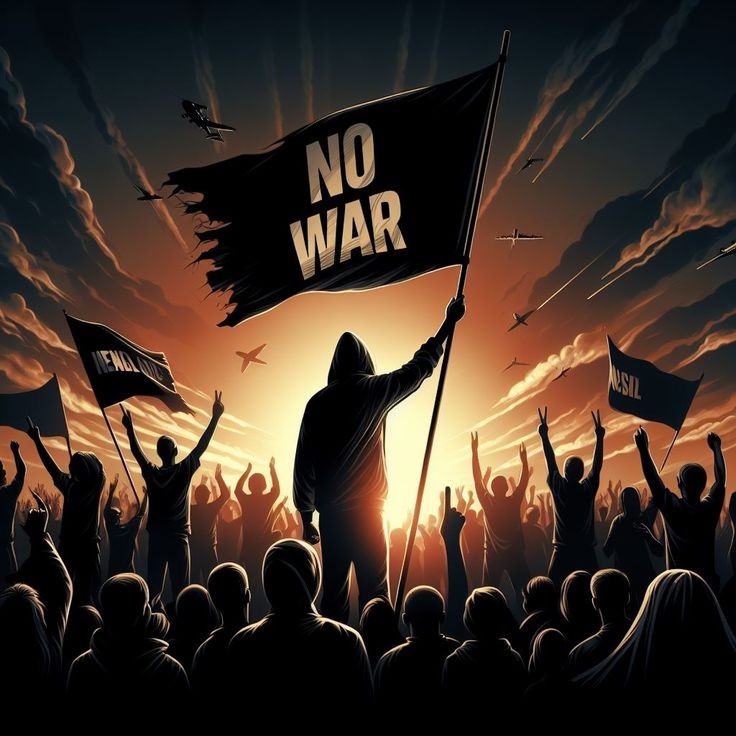
Throughout history, wars have cast long shadows over nations, leaving scars that can linger for generations. Yet, amidst the devastation, they also offer invaluable lessons about resilience, unity, and the human spirit’s capacity for growth. In this thought-provoking blog post, “From Shadows to Light: Learning from Past Wars to Forge a Unified Future,” we will delve into the complex tapestry of historical conflicts, examining how societies have navigated the aftermath of war to rebuild and redefine themselves. By reflecting on the trials and triumphs of the past, we can glean insights that inspire hope and foster collaboration in our contemporary world. Join us as we explore the stories of reconciliation, the power of shared experiences, and the potential for a brighter, more unified future forged through the lessons of history.
1. Introduction: The Importance of Learning from History
As we navigate the complexities of our modern world, the lessons drawn from history become more crucial than ever. The wars of the past—marked by conflict, sacrifice, and profound societal change—offer a wealth of knowledge that can illuminate our path forward. Understanding the root causes and consequences of these wars not only helps us comprehend the dynamics of our present but also equips us with the tools necessary to forge a unified future.
History is not merely a collection of dates and events; it is a narrative woven from human experiences, struggles, and triumphs. Each conflict presents unique insights into the failures and successes of nations, ideologies, and individuals. By studying these events, we can identify patterns of behavior, recognize the fragility of peace, and appreciate the resilience of those who have fought for unity amidst division.
In this age of globalization, where borders blur and cultures intermingle, the significance of learning from the past is amplified. The echoes of war remind us of the devastating impact of division and the power of collaboration. As we look to the future, we must confront our shared history—not just to remember, but to grow. By embracing the lessons of past wars, we can foster understanding and compassion, paving the way for a more harmonious coexistence.
In the following sections, we will delve deeper into specific historical conflicts, unraveling the intricacies of their causes and outcomes. Through this exploration, we will uncover the essential lessons that can guide us in our quest for unity, ensuring that we emerge not just from the shadows of our past, but into the light of a better tomorrow.
2. The Impact of Past Wars on Society
Wars have a profound and lasting impact on societies, shaping not only the geopolitical landscape but also the cultural, economic, and social fabric of nations. As we delve into the consequences of past conflicts, we uncover a tapestry woven with threads of resilience, trauma, and transformation.
The aftermath of war often brings a wave of societal changes. Economies are forced to adapt; industries rise and fall in response to the demands of warfare and reconstruction. For instance, World War II catalyzed technological advancements that not only served military purposes but also spurred civilian innovations, paving the way for the modern era of electronics and aviation. Post-war economic booms in several countries resulted in the creation of a middle class, changing the consumer landscape and altering social dynamics.
Social structures, too, are deeply affected. Wars can challenge traditional gender roles, as seen during the World Wars when women entered the workforce in unprecedented numbers, leading to shifts in societal expectations and paving the way for future movements advocating for gender equality. Conversely, conflicts can exacerbate divisions, entrenching prejudices and fostering environments of distrust among communities, particularly in the wake of civil wars or ethnic conflicts.
Moreover, the psychological scars left by war extend beyond the battlefield, influencing generations. The collective trauma experienced by veterans and civilians often necessitates societal healing processes, which can lead to a renewed commitment to peace and reconciliation. Memorials, literature, and art emerge as powerful mediums for processing grief and fostering understanding, reminding society of the past while guiding them toward a more unified future.
As we reflect on the impact of past wars, it becomes clear that understanding these historical contexts is crucial. We must recognize the lessons learned from conflict and the resilience demonstrated by societies as they navigate the challenges of rebuilding and reuniting. By embracing this knowledge, we can forge a future where the scars of war drive us not toward division, but toward collective strength and harmony.
3. Understanding the Causes of Conflict
Understanding the causes of conflict is essential for creating a unified future. History teaches us that wars do not erupt in a vacuum; they are often the culmination of deep-seated grievances, power struggles, and socio-economic disparities. By examining the roots of past conflicts, we gain invaluable insights into the complexities of human behavior and the societal structures that can foster discord.
Take, for instance, the World Wars. The Treaty of Versailles, with its harsh reparations imposed on Germany, sowed the seeds of resentment that ultimately led to World War II. Similarly, the ethnic tensions that erupted during the Balkan Wars were fueled by historical grievances and nationalist fervor. By dissecting these instances, we can see how unresolved issues and a lack of dialogue can escalate into violence.
Moreover, understanding the causes of conflict often requires a multidisciplinary approach—incorporating history, sociology, economics, and psychology. It’s crucial to consider factors such as resource scarcity, ideological divides, and the role of leadership in inciting or alleviating tensions. This comprehensive analysis allows us to recognize patterns and triggers that have historically led to conflict, enabling us to devise proactive strategies for conflict resolution.
In our journey towards a unified future, fostering open communication and empathy is key. By acknowledging the historical contexts that have shaped our societies, we can cultivate a culture of understanding and reconciliation, ultimately creating an environment where collaboration thrives over confrontation. The lessons learned from our past can illuminate the path forward, guiding us toward a more harmonious coexistence.
4. Key Lessons from Major Historical Wars
Throughout history, wars have not only reshaped borders and governments but have also imparted invaluable lessons that resonate to this day. Examining these turbulent chapters allows us to glean insights into human behavior, the importance of unity, and the consequences of division. Here are some key lessons from major historical wars that can guide us toward a more unified future:
1. **The Power of Collaboration**: One of the most prominent lessons from World War II is the strength found in alliances. The formation of coalitions, such as the Allies, showcased how disparate nations could come together for a common cause, overcoming individual differences for the greater good. This spirit of collaboration is crucial as we tackle global challenges such as climate change, economic instability, and social injustice. By fostering partnerships across borders and communities, we can create a united front that addresses these pressing issues more effectively.
2. **The Cost of Division**: The Civil War in the United States serves as a stark reminder of the devastation that can arise from deep-seated divisions. The conflict was born out of economic, cultural, and political rifts that ultimately led to a bloody confrontation. The aftermath highlighted the necessity of dialogue and understanding to bridge gaps and heal wounds. In today’s world, where polarization thrives, fostering conversations that promote empathy and understanding is essential. We must actively work to dismantle divisions, recognizing that our differences can coexist and enrich our collective experience.
3. **The Role of Innovation in Conflict Resolution**: The technological advancements during the World Wars, such as the development of radar and code-breaking, paved the way for new approaches to warfare and diplomacy. These innovations remind us that progress often comes from adversity. In our quest for unity, we should embrace innovation—not just in technology but also in ideas and practices that can help resolve conflicts and promote cooperation. Engaging in creative problem-solving and thinking outside the box can lead us toward more effective ways of addressing societal challenges.
4. **The Importance of Memory and Education**: The lessons of past wars must be preserved and taught to future generations. Historical memory plays a critical role in shaping our understanding of conflict and peace. Education systems should prioritize the study of history, emphasizing the consequences of war and the value of peace. By fostering a culture of remembrance and reflection, we can ensure that the mistakes of the past are not repeated, and that the sacrifices made by those who fought are honored through our collective efforts towards unity.
As we navigate the complexities of the modern world, these lessons from historical wars serve as guiding principles. They remind us of the necessity of collaboration, the dangers of division, the potential for innovation, and the importance of memory. By learning from the past, we can forge a path toward a unified future—one characterized by understanding, cooperation, and peace.
5. The Role of Leadership in War and Peace
Leadership plays a pivotal role in both the tumultuous landscapes of war and the fragile terrains of peace. Throughout history, the effectiveness of a leader often determines the course of conflict and the prospects for lasting resolution. In times of war, strong leadership can galvanize a nation, rallying disparate factions toward a common goal. Visionary leaders like Winston Churchill during World War II exemplified this, inspiring resilience and unity amidst adversity. His ability to articulate a clear vision and instill hope was instrumental in maintaining morale, even when the odds seemed insurmountable.
Conversely, the transition from war to peace requires a different breed of leadership—one that prioritizes reconciliation, healing, and the rebuilding of trust. Leaders must navigate the complexities of post-conflict societies, balancing the needs of various stakeholders while fostering an environment conducive to dialogue and cooperation. The peace negotiations led by Nelson Mandela and Desmond Tutu in post-apartheid South Africa illustrate this beautifully. Their commitment to forgiveness and inclusivity not only facilitated a monumental shift in governance but also laid the foundation for a more united society.
In examining these historical precedents, it becomes clear that effective leadership is characterized by adaptability and empathy. Successful leaders recognize that their role extends beyond mere strategy; they must also cultivate relationships, understand the grievances of all parties involved, and inspire a shared vision for the future. As we forge ahead, learning from the trials of the past, it is essential to cultivate leaders who can navigate the tumult of conflict with a steady hand while also fostering the cooperative spirit necessary for building a peaceful and unified future. Through such leadership, we can transform the shadows of war into a guiding light for generations to come.
6. Stories of Reconciliation and Healing
In the aftermath of conflict, the path to healing often begins with the stories we share. Throughout history, numerous narratives of reconciliation have emerged, illuminating the profound resilience of the human spirit. These stories serve not only as reminders of the pain endured during turbulent times but also offer hope for a future built on mutual understanding and respect.
Take, for instance, the remarkable journey of post-apartheid South Africa, where the Truth and Reconciliation Commission (TRC) played a pivotal role in healing a nation divided by decades of racial strife. Through the power of storytelling, victims of atrocities were given a platform to voice their experiences, while perpetrators were offered a chance to seek forgiveness. These testimonies became the foundation for a new national identity, fostering empathy and encouraging dialogue that transcended historical grievances.
Similarly, in Rwanda, the heart-wrenching aftermath of the 1994 genocide birthed powerful stories of reconciliation. Community-based initiatives, such as the Gacaca courts, allowed for local justice and healing through open discussions where individuals could confront their pasts. Survivors and former perpetrators alike shared their narratives, forging bonds that were previously thought impossible. These collective efforts not only paved the way for personal healing but also laid the groundwork for a cohesive society striving for unity.
Such stories remind us that reconciliation is not a linear journey but rather a complex tapestry woven from threads of courage, vulnerability, and empathy. As we confront our own historical shadows, we must embrace these narratives, drawing lessons from them to foster understanding in our communities. By sharing and listening to stories of hope and healing, we can bridge divides, cultivate compassion, and ultimately forge a unified future where the echoes of the past illuminate the road ahead. In this way, we transform our collective history from a source of division into a wellspring of inspiration for generations to come.
7. The Power of Collective Memory
The Power of Collective Memory
Collective memory serves as a powerful tool in shaping our understanding of history and influencing the future. It encompasses the shared experiences, narratives, and emotions that bind communities together, often transcending individual perspectives. In the context of past wars, collective memory plays a dual role: it honors the sacrifices made and the lessons learned while also serving as a cautionary reminder of the consequences of conflict.
As we reflect on the tumultuous events of our past, it’s crucial to recognize how these memories are curated and passed down through generations. Memorials, literature, and educational curricula all contribute to a collective consciousness that can either glorify or critique the actions taken during wartime. This shared memory not only shapes our national identity but also informs our values and decisions moving forward.
Consider how the remembrance of significant events, such as World War II or the Vietnam War, impacts contemporary discussions about war and peace. Veterans’ stories, survivor testimonies, and historical documentaries bring to life the experiences of those who lived through these conflicts, allowing us to empathize with their struggles and triumphs. They serve as reminders of our shared humanity and the importance of dialogue in preventing future conflicts.
Moreover, collective memory can foster reconciliation in societies emerging from the shadows of war. By confronting difficult truths and acknowledging past injustices, communities can begin to heal and build a more cohesive future. This process requires a commitment to inclusivity, ensuring that diverse voices are heard and represented in the narrative.
In a world still grappling with the aftermath of conflict, the power of collective memory can be harnessed to inspire hope and unity. By drawing lessons from our past, we can illuminate a path toward a brighter future—one that embraces our shared history while striving for peace, understanding, and collaboration. In this way, we can transform the shadows of war into a collective light guiding us toward a harmonious tomorrow.
8. Building Bridges: Lessons in Diplomacy
In the aftermath of past conflicts, one of the most profound lessons learned is the importance of diplomacy—a skill that transcends mere negotiation and embodies the art of building bridges between disparate factions. History has shown us that wars often arise from misunderstandings, historical grievances, and a failure to communicate effectively. By studying the diplomatic efforts that followed significant wars, we can glean invaluable insights into how to foster unity and understanding in our contemporary world.
Consider the post-World War II era, a time when nations were left in ruins yet faced the monumental task of rebuilding relationships. The Marshall Plan, for instance, was not merely an economic recovery initiative; it was a deliberate act of diplomacy aimed at mending the rifts between the United States and European nations. By investing in the reconstruction of war-torn economies, the U.S. not only facilitated recovery but also fostered lasting alliances that would define international relations for decades to come.
Similarly, the establishment of international organizations such as the United Nations underscores the importance of dialogue and cooperation in maintaining peace. These platforms serve as vital arenas for nations to discuss grievances, resolve conflicts, and collaborate on global challenges, from climate change to humanitarian crises. They remind us that diplomacy is not just about averting conflict but also about fostering a sense of shared responsibility and collective action.
In our pursuit of a unified future, we must embrace the lessons of diplomacy by prioritizing dialogue over division. This means creating spaces for open communication, where diverse voices can be heard and respected. Whether through community forums, international summits, or grassroots initiatives, building bridges requires a commitment to understanding differing perspectives and finding common ground.
As we reflect on the shadows of past wars, let us harness the power of diplomacy to illuminate a path forward—one that values collaboration, empathy, and the unwavering belief that through dialogue, we can transform our shared history into a brighter, united future.
9. Engaging the Younger Generation in Historical Reflection
Engaging the younger generation in historical reflection is crucial for fostering an informed and empathetic society. Today’s youth live in a fast-paced world dominated by technology and instant gratification, which can often overshadow the importance of understanding historical contexts. However, by making history relevant and relatable, we can spark their interest and encourage deeper contemplation about the lessons learned from past wars.
One effective approach is to utilize modern platforms that resonate with younger audiences. Social media channels, podcasts, and interactive apps can serve as powerful tools to present historical narratives in dynamic ways. For instance, creating short, visually engaging videos that highlight key events and figures from history can capture attention and stimulate curiosity. Additionally, hosting virtual discussions or webinars featuring historians, veterans, or young activists can provide a platform for meaningful conversations, bridging the gap between past and present.
Incorporating history into popular culture—through films, literature, and music—can also help young people connect with these events on a personal level. By examining the struggles and triumphs of previous generations, they can gain a deeper understanding of the complexities of war, peace, and the shared human experience.
Moreover, encouraging critical thinking through classroom discussions or community workshops allows young individuals to analyze past decisions and their impacts on today’s world. When they engage in thoughtful reflection, they not only learn about history but also develop the skills needed to navigate the future—equipped with the wisdom of those who came before them.
Ultimately, fostering a dialogue around historical events empowers the younger generation to become active participants in shaping a unified future. By understanding the shadows of the past, they can collectively forge a path illuminated by empathy, resilience, and hope—a future where the lessons of history guide their actions and decisions.
10. Strategies for Conflict Resolution and Peacebuilding
In the quest for a unified future, understanding and implementing effective strategies for conflict resolution and peacebuilding is essential. History has taught us that unresolved conflicts can escalate into larger confrontations, leaving scars that take generations to heal. However, by learning from past wars, we can cultivate approaches that prioritize dialogue, understanding, and collaboration over hostility.
One foundational strategy is active listening. This involves creating safe spaces where all parties feel heard and valued. Encouraging open dialogue allows individuals to express their grievances and aspirations, fostering empathy and mutual respect. In many historical conflicts, the failure to listen and acknowledge diverse perspectives has led to deep divisions. By prioritizing communication, we can bridge gaps and find common ground.
Another crucial element is mediation. Experienced mediators can facilitate discussions between conflicting parties, guiding them toward a resolution that honors their needs and concerns. This approach has proven effective in various post-war scenarios, where neutral third parties have played a vital role in de-escalating tensions and fostering cooperation.
Additionally, investing in community-building initiatives is fundamental for long-term peace. By promoting inclusive development, education, and economic opportunities, societies can address the root causes of conflict. Empowering marginalized voices and ensuring equitable access to resources can diminish feelings of disenfranchisement that often fuel violence.
Lastly, incorporating restorative justice practices can transform how societies deal with past grievances. Instead of punitive measures, restorative justice focuses on healing and reconciliation, allowing victims and offenders to engage in dialogue that promotes understanding and accountability. This approach has shown remarkable success in post-conflict societies, paving the way for lasting peace.
In summary, the path from shadows to light requires dedication to conflict resolution and peacebuilding strategies that prioritize communication, mediation, community development, and restorative justice. By learning from the lessons of history, we can forge a future where unity and understanding triumph over division and discord.
11. The Importance of Unity in Diversity
In a world that often emphasizes differences, the importance of unity in diversity cannot be overstated. History has shown us time and again that during times of conflict, it is often the collective strength of a diverse populace that leads to resilience and triumph. The lessons drawn from past wars reveal that unity can emerge from the most unlikely sources, bringing together people from various backgrounds, cultures, and beliefs to fight for a common cause.
Consider the coalitions formed during the World Wars, where nations set aside their differences to collaborate in the face of a greater threat. These alliances were not merely tactical; they fostered an understanding of shared human experiences and aspirations, bridging gaps that had once seemed insurmountable. The aftermath of these conflicts illuminated the power of unity, showcasing how diverse groups, when harmonized, can innovate, inspire, and effect meaningful change.
In our modern context, embracing unity in diversity means recognizing the unique contributions each individual brings to the table. It is about celebrating different perspectives and leveraging them to create solutions that are more inclusive and effective. When diverse voices are united, they can challenge the status quo, dismantle prejudices, and foster environments where empathy and collaboration thrive.
Moreover, unity in diversity becomes a beacon of hope for future generations, teaching them that strength lies not in uniformity but in a tapestry of varied experiences and ideas. By honoring our differences while working together towards common goals, we can forge a path forward that is not only equitable but also rich with potential. As we reflect on the lessons from the past, let us commit to nurturing a future where diversity is not just accepted but embraced as a vital component of unity. In doing so, we not only honor those who fought for freedom and justice but also pave the way for a more harmonious and prosperous world.
12. Case Studies of Successful Post-War Societies
In examining the trajectories of societies that emerged from the shadows of war, several case studies stand out, illuminating paths toward unity and resilience. These examples offer valuable lessons in rebuilding not just infrastructure, but also the social fabric that binds communities together.
One compelling case is Germany after World War II. Faced with the monumental task of reconstruction, Germany implemented the Marshall Plan, which provided crucial economic assistance. However, it was the strategic emphasis on collective identity and democratic values that truly galvanized the nation. Germans from both East and West navigated their differences through open dialogue and a commitment to a shared future, ultimately leading to reunification in 1990. This transformation was marked by a national narrative that prioritized collaboration and mutual respect, showcasing how former adversaries can become partners in progress.
Similarly, Rwanda’s post-genocide recovery provides critical insights. After the devastating events of 1994, Rwanda faced the challenge of not only rebuilding its economy but also reconciling a deeply fractured society. The government initiated a series of community-based reconciliation programs, known as Gacaca courts, which allowed for open discussions of atrocities and facilitated healing. The focus on restorative justice rather than punitive measures enabled Rwandans to confront their past while fostering a new national identity centered around unity and collective responsibility. Today, Rwanda is often cited as a model for post-conflict recovery, with significant strides in economic growth and social cohesion.
In contrast, the experience of Vietnam following the Vietnam War illustrates the complexities of recovery and reconciliation. Initial efforts to rebuild were hampered by both economic sanctions and lingering resentment from the war. However, the country gradually shifted its approach, embracing economic reform through the Đổi Mới policy in the 1980s. By prioritizing economic growth and integrating into the global market, Vietnam was able to foster a sense of national pride and cohesion that transcended the scars of conflict. This evolution highlights the importance of adaptability and the need for a comprehensive strategy that addresses both economic and social dimensions of recovery.
These case studies underscore a common theme: the necessity of building inclusive frameworks that reconcile diverse perspectives and experiences. They remind us that while the shadows of war may loom large, the potential for light—through understanding, collaboration, and shared purpose—can guide societies toward a unified and prosperous future. As we reflect on these lessons, we are called to recognize that forging a collective identity is not merely a goal but an ongoing journey that demands commitment, patience, and a willingness to learn from the past.
13. The Role of Education in Preventing Future Wars
Education holds a transformative power that can significantly influence the trajectory of societies, shaping not only individual lives but also the collective futures of nations. In the context of preventing future wars, education serves as a crucial tool for fostering understanding, tolerance, and conflict resolution skills among diverse populations. By embedding lessons from past conflicts into educational curriculums, we can cultivate a generation that is not only aware of historical grievances but also equipped to navigate the complexities of human relationships with empathy and wisdom.
Imagine classrooms where students engage in rigorous discussions about the causes and consequences of wars throughout history. By analyzing case studies, from the devastation of World War I to the ideological battles of the Cold War, students learn not just the facts but the human stories behind them. This deep understanding can dismantle the myths and misconceptions that often fuel animosities.
Moreover, education can promote critical thinking skills, enabling young minds to question narratives, challenge prejudices, and seek peaceful solutions to conflicts in their own communities. Programs that emphasize peace education and intercultural dialogue can bridge divides, teaching students to appreciate diversity and recognize the shared humanity in others.
Incorporating history lessons with a focus on diplomacy, negotiation, and intercultural communication can empower future leaders to prioritize dialogue over discord. By supporting educational initiatives that advocate for peace and collaboration, we can help pave the way for a more harmonious world.
In essence, investing in education is investing in peace. As we learn from the shadows of past wars, we must illuminate the path forward with knowledge and understanding, ensuring that future generations have the tools they need to build a unified and peaceful society.
14. Towards a Unified Future: Actionable Steps
As we stand at the crossroads of history, it is vital to reflect on the lessons learned from past wars and conflicts. The echoes of these turbulent times remind us that unity, collaboration, and understanding are not merely ideals but essential strategies for forging a brighter future. Here are several actionable steps we can take to move towards a unified future, drawing from the hard-earned wisdom of our shared past:
1. **Foster Open Dialogue:** Establish platforms for open communication among diverse groups. Encouraging discussions that include varied perspectives helps dismantle barriers of misunderstanding and mistrust. Community forums, town halls, and online discussions can play a critical role in bridging gaps.
2. **Educate for Peace:** Education is a powerful tool in promoting unity. Integrate peace studies and conflict resolution into educational curricula at all levels. By emphasizing the importance of empathy, respect, and teamwork, we can nurture future generations who are equipped to handle differences constructively.
3. **Promote Collaborative Projects:** Initiate projects that require collaboration across different sectors of society. Whether it’s community gardens, art installations, or service-learning programs, these initiatives can bring people together, fostering relationships and shared goals.
4. **Celebrate Diversity:** Create events that celebrate cultural diversity and highlight the beauty in our differences. Festivals, workshops, and exhibitions can provide spaces for individuals to share their heritage, creating a tapestry of unity that respects and honors each thread.
5. **Encourage Volunteerism:** Volunteer opportunities can unite individuals around common causes, strengthening community bonds. Mobilizing efforts in areas like disaster relief, environmental initiatives, and social services can instill a sense of shared purpose and accomplishment.
6. **Utilize Technology Wisely:** Leverage technology to connect communities and share knowledge. Social media campaigns, podcasts, and webinars can disseminate stories of resilience and cooperation, inspiring others to join the movement toward unity.
7. **Policy Advocacy:** Engage in advocacy for policies that promote inclusivity and equality. Supporting legislation that addresses systemic issues and promotes social justice can create a foundation for lasting peace and cooperation.
8. **Reflect and Learn:** Encourage ongoing reflection on past conflicts and their resolutions. Holding workshops or discussion groups that analyze historical events can help communities understand the complexities of conflict and the importance of unity in overcoming adversity.
By committing to these actionable steps, we can transform the lessons of the past into a guiding light for the future. A unified future is not a destination but a continuous journey—one that requires the dedication and effort of each individual to contribute to a world marked by peace, collaboration, and understanding. Together, we can build a legacy that honors our shared history while paving the way for a harmonious tomorrow.
15. Conclusion: A Vision for Lasting Peace and Unity
In conclusion, the lessons gleaned from past conflicts illuminate our path toward a future defined by lasting peace and unity. History, often marred by the scars of war, serves as a poignant reminder of the consequences of division and discord. Yet within those shadows lies the potential for profound transformation. By reflecting on the struggles and sacrifices of those who came before us, we can foster a deeper understanding of our shared humanity and the importance of collaboration.
As we look ahead, we must prioritize dialogue, empathy, and education, recognizing that these are the cornerstones of a harmonious society. Countries must come together, not just to resolve existing tensions but to build robust frameworks that prevent conflict before it arises. This involves investing in community-building initiatives, promoting cultural exchange, and encouraging grassroots movements that celebrate diversity rather than fear it.
Moreover, our commitment to sustainable development and social justice can bridge divides and create a foundation where every individual feels valued and heard. In this vision of the future, the triumphs of peace are not merely the absence of war but the presence of opportunity and justice for all.
Let us not forget that the journey toward unity is ongoing and requires the collective effort of individuals, communities, and nations alike. By learning from the past and embracing a shared vision of peace, we can emerge from the shadows of conflict and step boldly into a brighter, more unified future. Together, we have the power to redefine our narrative—one that prioritizes collaboration over confrontation, understanding over ignorance, and peace over war.
As we conclude our exploration of the lessons learned from past wars, it becomes clear that the shadows of conflict can serve as powerful teachers in our quest for a unified future. The resilience, empathy, and innovative spirit that arise from the ashes of war remind us that even in our darkest moments, we have the potential to emerge stronger and more connected. By acknowledging the mistakes of the past and embracing the stories of those who lived through them, we can foster dialogue, understanding, and collaboration across cultures and generations. Let us carry these invaluable insights forward, transforming the echoes of history into a harmonious symphony of peace, cooperation, and hope for a brighter tomorrow. Together, we can create a future that honors our shared humanity, turning lessons learned into the foundation for a world where unity prevails over division.
——————————
Image courtesy of pinterest
 fauxcroft
Leave a comment