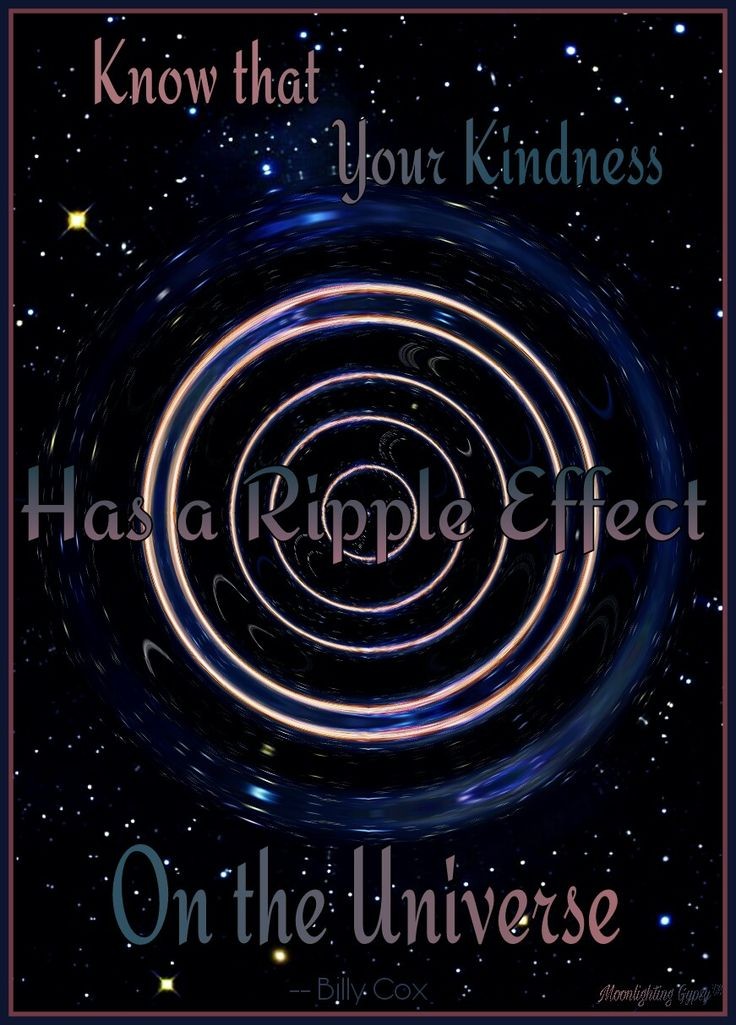
In a world often overshadowed by negativity and chaos, the profound impact of kindness can create ripples that transcend our immediate surroundings, reaching far beyond what we can see. One simple act of kindness—a smile to a stranger, a helping hand to a neighbor, or a thoughtful gesture to a friend—can set off a chain reaction that transforms lives and uplifts communities. The Ripple Effect explores the incredible power of these seemingly small actions, illustrating how they can inspire others to pay it forward, foster a sense of connection, and ultimately illuminate the world around us. Join us as we delve into heartwarming stories, scientific insights, and practical tips that demonstrate how the spirit of kindness can create a brighter, more compassionate future for all. Discover how your next kind act could be the catalyst for a wave of positivity, influencing others and sparking change in ways you might never have imagined.
1. Understanding the Ripple Effect: An Overview
The ripple effect is a profound phenomenon that demonstrates how a single act of kindness can extend far beyond its initial impact, creating waves of positivity that ripple through communities and even across the globe. Picture a calm lake, its surface undisturbed, until a small stone is tossed in. The resultant ripples expand outward, touching every inch of the pond, embodying the essence of how our actions can influence others.
In the context of kindness, the ripple effect begins with an individual taking a simple, yet deliberate action—holding the door for a stranger, offering a compliment, or volunteering time for a good cause. These seemingly small gestures can spark a chain reaction, inspiring others to pay it forward. A person who receives kindness is often moved to replicate that behavior, leading to a cascading series of good deeds that can uplift entire communities.
Moreover, the ripple effect transcends immediate circles; it has the potential to reach those far removed from the original act. A kind word shared with a friend may provide them the strength to uplift someone else in their life, creating connections and fostering a culture of empathy and support.
Understanding the ripple effect is not merely an exercise in recognizing its potential; it is a call to action. It invites us to reflect on our daily interactions and the legacy we wish to leave behind. As we delve deeper into the transformative power of kindness, we will uncover how even the smallest contributions can illuminate the world around us, reminding us that each of us has the ability to create change, one act at a time.
2. The Science Behind Kindness: Psychological Benefits
The Science Behind Kindness: Psychological Benefits
Kindness is not merely an abstract concept; it has tangible psychological effects that ripple through our minds and bodies, influencing our well-being and the world around us. Research has shown that engaging in kind acts triggers a release of endorphins, the brain’s natural painkillers, which promote feelings of happiness and satisfaction. This phenomenon, often referred to as the “helper’s high,” illustrates how altruism can uplift our spirits, creating a positive feedback loop that encourages further acts of kindness.
Moreover, kindness has been linked to lower levels of anxiety and depression. When we perform kind deeds, our brains release oxytocin, often dubbed the “love hormone.” This powerful neurotransmitter fosters feelings of connection and trust, not only between the giver and the receiver but also within ourselves. As we engage in acts of kindness, we begin to build a more positive self-image and a sense of belonging, which can combat feelings of isolation that many experience in today’s fast-paced world.
The benefits of kindness extend beyond individual well-being; they create a ripple effect in our communities. When we witness or experience kindness, we’re more likely to pay it forward, perpetuating a cycle of goodwill. Studies have shown that communities characterized by higher levels of kindness and cooperation tend to enjoy greater social cohesion, lower crime rates, and improved overall mental health.
In essence, the psychological benefits of kindness are profound and far-reaching. By understanding the science behind our compassionate impulses, we can harness the transformative power of kindness, inspiring ourselves and others to cultivate a more empathetic and harmonious world. Each small act, whether it’s helping a neighbor, volunteering, or simply offering a smile, contributes to a collective upliftment that can illuminate even the darkest corners of our lives.
3. Historical Examples of Kind Acts Transforming Communities
Throughout history, countless acts of kindness have sparked transformative changes in communities, illustrating the profound ripple effect that a single kind act can have. One poignant example can be found in the heart of post-war Europe, where the Marshall Plan was initiated in 1948. This American initiative not only provided financial assistance to help rebuild war-torn nations but also emphasized the importance of generosity and cooperation. By investing in the recovery of countries like Germany and France, the United States fostered a spirit of goodwill and collaboration that laid the groundwork for enduring partnerships and the eventual formation of the European Union. The ripple effects of this kindness have been felt across generations, shaping a more united and prosperous Europe.
Another remarkable instance is seen in the story of the “Good Neighbors” movement in the 1960s, which emerged in response to rising tensions in urban neighborhoods across America. Community leaders and everyday citizens banded together to create initiatives that promoted kindness and understanding among diverse populations. These grassroots efforts led to the establishment of community centers, cultural exchanges, and various outreach programs. As people began to engage with one another, barriers were broken down, fostering a sense of belonging and acceptance that transformed the social fabric of these neighborhoods.
In more recent history, the phenomenon of “paying it forward” has gained momentum, inspiring individuals to commit small acts of kindness that create a chain reaction. For instance, a simple gesture, such as covering someone’s coffee at a local café, can lead to the recipient feeling compelled to extend their kindness to another person. This cycle of generosity has been documented in numerous communities, proving how one small act can inspire a wave of goodwill, ultimately enhancing the overall quality of life for many.
These historical examples underscore the potential of kindness to create lasting change. They remind us that even the smallest gestures can resonate far beyond their immediate context, illuminating lives and communities in ways we may never fully comprehend. The ripple effect of kindness is a powerful testament to our shared humanity and the ability we all possess to make the world a brighter place.
4. Personal Stories: How One Kind Act Changed My Life
In a world that often feels overwhelming, personal stories of kindness serve as powerful reminders of our shared humanity. One kind act can ripple outwards, touching lives in ways we might never fully comprehend. I remember the day a simple gesture altered the course of my life—a day that began like any other, yet became a defining moment.
It was a chilly winter afternoon, and I found myself sitting alone in a crowded café, my laptop open but my mind racing with self-doubt. I was in the midst of a challenging project, struggling to find the right words, and feeling completely isolated despite the bustling atmosphere around me. As I sat there, a stranger approached my table. She was a woman in her sixties, her face lined with wisdom and kindness. She smiled warmly, leaned over, and asked if she could share my table. I nodded, grateful for the company.
As we exchanged small talk, she inquired about my work. I hesitated at first, but something about her genuine interest encouraged me to open up. I shared my struggles, my fears of inadequacy, and my dreams that felt just out of reach. To my surprise, she listened intently, nodding along as if she understood my journey. Then, with a twinkle in her eye, she shared her own story—a tale of perseverance, overcoming obstacles, and seizing opportunities. She offered me advice that resonated deeply, encouraging me to embrace my passions and to view challenges as stepping stones rather than barriers.
That brief encounter sparked a transformation within me. Inspired by her words, I poured my heart into my project, channeling the encouragement I had received. Over the next few weeks, I felt a newfound sense of purpose and determination. Not only did I complete my project, but I also found the courage to share my work with others, leading to unexpected opportunities and connections.
Reflecting on that day, I realized that her simple act of kindness—taking a moment to share her space and her story—created a ripple effect that changed my life. It taught me the profound impact that one person’s kindness can have, encouraging me to pay it forward.
Now, I strive to embody that same spirit of kindness in my daily life, whether it’s offering a listening ear to a friend in need or taking a moment to compliment a stranger. Each act, no matter how small, has the potential to spark change and inspire others. In this interconnected world, we all have the power to illuminate lives, one kind act at a time.
5. The Chain Reaction: Small Acts Leading to Big Changes
In a world often overshadowed by the chaos of daily life, the power of small acts of kindness can spark a transformative chain reaction that resonates far beyond the initial gesture. Imagine a single smile exchanged between strangers on a bustling street; this simple act can lift spirits, inspire others, and create a ripple of positivity that spreads through an entire community.
Small acts, whether it’s holding the door open for someone, offering a compliment, or volunteering your time, may seem insignificant in isolation, but they can ignite a powerful momentum. Each act of kindness serves as a seed, planting goodwill in the hearts of those who experience it. As these individuals are touched by kindness, they often feel inspired to pass it on, creating a flourishing cycle of generosity and compassion.
Research supports this idea; studies show that witnessing acts of kindness can enhance moods and encourage altruistic behavior in others. This phenomenon is often referred to as the “bystander effect,” where individuals feel motivated to act kindly after seeing others do the same. For example, one person paying for a stranger’s coffee can lead to a chain of customers paying for one another’s orders, transforming a typical morning routine into a shared moment of joy.
Moreover, small acts of kindness can lead to profound changes in more significant areas. A kind word or gesture can restore someone’s faith in humanity, spark new friendships, or even transform a community. Initiatives like neighborhood clean-ups or local charity drives often begin with one person’s desire to make a difference, ultimately mobilizing others to join the cause and amplifying the impact exponentially.
The truth is, you never know how far your small act of kindness will travel. The person you uplift today may go on to inspire countless others, creating a domino effect of love and support that illuminates the world. In a time when negativity often dominates the headlines, embracing the power of small acts can be a beacon of hope, reminding us all of our capacity to effect change—one kind act at a time.
6. Kindness in Action: Real-Life Case Studies
In a world that often feels overwhelming, the power of kindness shines as a beacon of hope. To truly understand its impact, we can explore real-life case studies that highlight how simple acts of kindness can create profound ripples in the lives of individuals and communities alike.
**Case Study 1: The Pay It Forward Movement**
One of the most significant examples of kindness in action is the Pay It Forward movement, which originated from a novel by Catherine Ryan Hyde. This concept encourages individuals to perform a selfless act for someone else and inspire that person to do the same. A notable instance occurred in a coffee shop in California, where a customer paid for the order of the person behind them. This simple act sparked a chain reaction that lasted for over two hours, with patrons continuously paying for one another’s drinks. The result? A wave of positivity swept through the café, leaving everyone with a warm sense of community and connection.
**Case Study 2: The Kindness Rocks Project**
In another inspiring example, the Kindness Rocks Project emerged as a grassroots initiative aimed at spreading kindness through painted rocks. Participants paint uplifting messages or beautiful designs on rocks and then leave them in public spaces for others to find. This simple yet impactful activity not only brightens someone’s day but also inspires recipients to create their own rocks and continue the cycle of kindness. As a result, communities have seen an increase in positivity and a shared commitment to uplifting one another, demonstrating how a small, creative gesture can resonate with many.
**Case Study 3: The Homeless Outreach Initiative**
In cities across the globe, grassroots organizations have sprung up to address homelessness through acts of kindness. One such initiative involved a local group in New York City that regularly prepared and distributed care packages filled with food, hygiene products, and warm clothing to those in need. Beyond just providing immediate relief, these volunteers took the time to connect with the individuals they served, listening to their stories and offering support. The initiative not only improved the lives of many but also sparked conversations around homelessness, fostering empathy and understanding within the wider community.
These case studies illustrate that kindness is not merely a fleeting gesture; it has the power to inspire change, foster connections, and create lasting impacts. Each act—big or small—contributes to a ripple effect that can brighten lives and illuminate the world, reminding us that we all have the capacity to make a difference.
7. The Role of Social Media in Spreading Kindness
In today’s digital age, social media serves as a powerful catalyst for spreading kindness and fostering a sense of community around the globe. Platforms like Facebook, Instagram, Twitter, and TikTok are more than just venues for sharing personal updates; they have transformed into dynamic spaces where kindness can ripple outwards, touching countless lives with a single act.
Consider how a simple post can go viral, inspiring others to join in a movement of goodwill. A heartfelt story of generosity shared on a friend’s feed can evoke empathy, encouraging others to perform similar acts of kindness in their own communities. This phenomenon is amplified by the hashtags that often accompany these posts—#RandomActsOfKindness, #PayItForward, and #KindnessMatters, for instance—creating a digital tapestry of compassion that motivates people to engage in acts that uplift others.
Moreover, social media allows for the celebration of kindness, giving individuals and organizations a platform to highlight their good deeds. Nonprofits, for example, can showcase the impact of their work and encourage followers to contribute to their causes. Videos capturing spontaneous acts of kindness, whether it’s a stranger helping another in need or a community coming together to support a local family, can quickly garner views and shares, spreading the message of compassion far beyond geographic boundaries.
The ripple effect of kindness is not just limited to individual acts; it also inspires collective movements. Campaigns that encourage people to share their own experiences of kindness can create a feedback loop of positivity, where one kind act encourages another, and another, creating an ever-expanding circle of goodwill.
In essence, social media transforms kindness into a shared experience—a source of inspiration that illustrates our collective humanity. By actively engaging in this digital dialogue of compassion, we not only illuminate our own lives but also light the way for others to do the same, proving that kindness is indeed contagious.
8. Creating a Culture of Kindness: Initiatives and Movements
Creating a culture of kindness requires more than just individual acts; it thrives on collective efforts and organized initiatives that inspire communities to embrace compassion and empathy. Across the globe, various movements and programs have emerged, each uniquely tailored to foster a spirit of kindness, drawing together individuals from all walks of life.
One notable initiative is the “Random Acts of Kindness” movement, which encourages people to perform spontaneous, thoughtful gestures for others. From leaving uplifting notes for strangers to paying for someone’s coffee, these small acts can ripple outward, inspiring others to participate and create an ongoing cycle of goodwill. Schools have adopted similar programs, integrating kindness into their curriculums to teach children the importance of empathy from a young age. This not only enhances the learning environment but also cultivates a generation that understands the profound impact of their actions.
Additionally, community-based projects, such as “Kindness Days,” bring people together to engage in collective acts of goodwill, whether it’s volunteering at local shelters, organizing food drives, or hosting neighborhood clean-up events. These gatherings not only promote kindness but also strengthen community bonds, reminding participants of their shared humanity.
Social media platforms have also played a pivotal role in spreading kindness on a larger scale. Hashtags like #BeKind and #KindnessMatters have gone viral, encouraging users to share stories of kindness, both big and small. These digital movements create a sense of global connection, allowing individuals to witness the positive impact of kindness across different cultures and communities.
In essence, creating a culture of kindness is about building frameworks that encourage and celebrate compassionate behavior, enabling kindness to become a norm rather than an exception. By supporting and participating in these initiatives and movements, we can collectively contribute to a world where kindness flourishes, transforming lives and illuminating even the darkest corners of society.
9. Overcoming Barriers to Kindness in Daily Life
In our fast-paced, often chaotic world, the act of kindness can sometimes feel like a fleeting thought, overshadowed by the barriers of time, stress, and cynicism. Yet, recognizing and overcoming these obstacles is essential for creating a ripple effect of compassion that can transform lives and illuminate the world around us.
One of the most significant barriers to kindness is the pervasive feeling of being too busy. Between work deadlines, family obligations, and personal commitments, many people find themselves caught in a relentless cycle of to-do lists. However, kindness doesn’t require grand gestures or enormous time investments. A simple smile shared with a stranger, holding the door for someone, or offering a compliment can all be done in mere moments and can make a world of difference in someone’s day. By consciously carving out small pockets of time for kindness, we can integrate these acts into our daily routines, reinforcing the notion that even little things matter.
Another challenge to kindness is the fear of vulnerability. Sometimes, people hesitate to extend a hand because they worry about the potential rejection or misunderstanding they might face. Yet, it’s important to remember that kindness is inherently selfless; it’s an expression of goodwill that doesn’t demand a specific response. By letting go of the fear of how our actions will be received, we can embrace the transformative power of kindness.
Moreover, societal norms and the hustle of modern life can create an environment where kindness is often overlooked. In moments of frustration or competition, the human connection can seem like a liability rather than a strength. To counteract this, we must actively cultivate a culture of kindness—at home, in our workplaces, and within our communities. This can be achieved by initiating conversations about kindness, sharing stories of compassion, and modeling these behaviors ourselves.
Ultimately, overcoming the barriers to kindness is about shifting our mindset. It’s about recognizing that every act of kindness, no matter how small, contributes to a larger tapestry of goodwill. When we choose to look for opportunities to uplift others, we not only enrich their lives but also our own. Embracing kindness as a daily practice can create a chain reaction, inspiring others to do the same and spreading positivity far and wide. In a world where we often feel disconnected, overcoming these barriers can illuminate the path to a more compassionate society.
10. The Global Impact of Kindness: Stories from Around the World
The beauty of kindness lies in its universal language; it transcends borders, cultures, and languages, creating connections that resonate deeply within the human spirit. From the bustling streets of New York City to the serene landscapes of rural India, countless stories illustrate how a single act of kindness can spark a chain reaction, inspiring others to pay it forward and ultimately transforming entire communities.
Consider the heartwarming story of a cafe in Paris where patrons are invited to “pay what you can.” This initiative, born from the belief that everyone deserves a meal regardless of their financial situation, has created a ripple of generosity among customers. Those who can afford to pay more often leave extra, allowing the cafe to serve those in need without judgment. This simple act fosters an environment of compassion and understanding, bridging divides and cultivating a community where the less fortunate are treated with dignity.
Across the globe in Kenya, a grassroots organization has been empowering women through education and entrepreneurship. One kind-hearted individual’s donation helped establish a sewing school, providing valuable skills to women who had previously faced economic hardships. As these women learn to sew, they not only gain independence but also uplift their families and communities. The ripple effect of this single act of kindness is profound; it leads to better education for children, improved health outcomes, and a stronger, more resilient community.
In Japan, the tradition of “Kintsugi,” or repairing broken pottery with gold, serves as a metaphor for kindness. When we extend kindness to others, we help mend the fractures in their lives. One individual’s thoughtful gesture—a simple note of encouragement left for a stranger—can inspire that person to uplift someone else, creating a network of support and resilience that stretches far and wide.
These stories, among countless others, remind us that kindness is not merely an isolated action but a powerful force capable of igniting change. Each kind act, no matter how small, contributes to a larger movement of compassion that has the potential to illuminate the world. So, the next time you find yourself in a position to show kindness, remember that your actions could set off a transformative ripple effect, touching lives in ways you may never fully comprehend.
11. How to Cultivate Kindness in Yourself and Others
Cultivating kindness in yourself and those around you is a powerful way to spark the ripple effect of positivity in your community and beyond. It begins with self-reflection; take the time to understand your own thoughts and feelings. Acknowledge the moments when negativity creeps in and consciously choose to replace those thoughts with compassion and gratitude. Starting your day with a positive affirmation can set the tone for kindness, allowing you to approach daily interactions with a more open heart.
Practice small acts of kindness in your everyday life. Whether it’s offering a genuine compliment to a stranger, holding the door for someone, or simply smiling at passersby, these seemingly minor gestures can have a significant impact. They create a warm environment that encourages others to pay it forward. Encourage those around you to join in on this kindness journey by sharing your experiences. A simple conversation about the joy of helping others can inspire your friends and family to engage in their own acts of kindness.
Consider volunteering your time or resources to local charities or community projects. Not only does this contribute positively to your environment, but it also fosters a sense of unity and collaboration among participants, reinforcing the importance of kindness as a shared value. Additionally, when you surround yourself with like-minded individuals who prioritize kindness, you create a supportive network that perpetuates positivity.
Moreover, remember that cultivating kindness is an ongoing process. Be patient with yourself as you learn to embrace this mindset, and recognize that even on tough days, every small act counts. Over time, your commitment to kindness can transform not only your own life but also the lives of those you touch, igniting a ripple effect that extends far beyond what you can see. As you cultivate this valuable trait, you contribute to a brighter, more compassionate world, one kind act at a time.
12. The Ripple Effect in Professional Settings: Workplace Kindness
In the bustling corridors of offices and the collaborative spaces of modern workplaces, the power of kindness often goes unnoticed, yet it holds the potential to spark profound transformations. The ripple effect of kindness in professional settings can create an environment that fosters collaboration, boosts morale, and enhances creativity. One simple act—be it a word of encouragement, an offer of assistance, or a moment of genuine appreciation—can reverberate beyond the immediate interaction, influencing colleagues and shaping company culture.
Consider a scenario where a manager takes a moment to acknowledge an employee’s hard work on a project. That single act of recognition can uplift the employee’s spirits, instilling a sense of value and belonging. Inspired by this kindness, the employee may in turn offer support to a teammate facing challenges, creating a chain reaction of positivity. As this cycle of goodwill continues, it not only improves individual relationships but can also lead to increased productivity and innovation within the team.
Furthermore, kindness in the workplace fosters an atmosphere of trust and respect, where employees feel safe to voice their ideas, share their challenges, and collaborate without fear of judgment. This supportive dynamic encourages creativity and problem-solving, allowing teams to navigate obstacles more effectively and arrive at innovative solutions. When kindness becomes a cornerstone of the workplace, it cultivates a sense of community that can enhance employee retention and attract top talent.
Ultimately, the ripple effect of kindness in professional settings extends far beyond the office walls. Organizations that prioritize kindness often find that their positive culture translates into better customer service, stronger client relationships, and a more favorable public image. In a world where the demands of work can often feel overwhelming, let us not underestimate the profound impact of a single kind act. By fostering a culture of kindness, we can illuminate our workplaces and, in turn, ripple out into the world, transforming lives one act of goodwill at a time.
13. Inspiring Kindness in the Next Generation
Inspiring kindness in the next generation is not just a noble endeavor; it’s an essential investment in the future of our society. Children are impressionable, absorbing the values and behaviors demonstrated by adults around them. By cultivating an environment that prioritizes compassion and empathy, we can equip young minds with the tools they need to create a ripple effect of kindness in their own lives and communities.
One of the most effective ways to inspire kindness is through modeling. When children witness acts of kindness—be it helping a neighbor, volunteering at a local shelter, or simply offering a smile to a stranger—they internalize these behaviors as acceptable and valuable. Encouraging discussions about feelings, the importance of helping others, and the impact of their actions can further solidify these lessons.
Incorporating kindness into everyday activities can also make a significant difference. Schools and families might organize kindness challenges, where children are tasked with performing specific acts of kindness each week. This could range from writing thank-you notes to engaging in community service projects. Sharing stories of kindness—whether from books, media, or personal experiences—can ignite their imaginations and inspire them to emulate those actions in their own lives.
Moreover, creating spaces for children to express their feelings and understand the emotions of others fosters emotional intelligence. Activities such as role-playing or discussing scenarios can help them learn how to respond to others’ needs compassionately. Encouraging peer-to-peer support in classrooms or playgroups can also nurture a culture of kindness, making it a natural part of their interactions.
Ultimately, by actively promoting kindness in the next generation, we are laying the groundwork for a more compassionate world. Each kind act, no matter how small, can set off a chain reaction, transforming not just individual lives but entire communities. As we inspire young hearts and minds to see the value in kindness, we pave the way for a brighter, more empathetic future—one where compassion is woven into the very fabric of society.
14. Measuring the Impact of Kind Acts: Metrics and Methods
Measuring the impact of kind acts might seem like an abstract endeavor, but it’s crucial for understanding their true significance and potential reach. Just as a pebble creates ripples on a calm pond, each act of kindness can generate effects that extend far beyond the initial gesture. To fully appreciate this phenomenon, one must explore various metrics and methods that help quantify and analyze these impacts.
Start by assessing the immediate outcomes of your kind acts. Surveys and feedback forms can be powerful tools to gauge recipients’ feelings, emotions, and overall satisfaction. By asking questions about how the act made them feel or what it inspired them to do next, you can gather qualitative data that highlights the emotional and psychological benefits of kindness.
Next, consider the ripple effects on the community. Are there observable changes in behavior among those who witness or hear about these acts? For instance, tracking increases in community involvement, volunteerism, or even social media shares can provide insight into how kindness encourages a collective spirit. Metrics such as the number of people inspired to pay it forward or engage in their own acts of kindness can act as indicators of a wider cultural shift.
Furthermore, leveraging social media analytics is an effective way to measure engagement. Posts or campaigns centered around kindness can be tracked for likes, shares, and comments, revealing how far-reaching your message has become. This digital footprint offers tangible evidence of the impact that a single kind act can have in inspiring others to join the movement.
Lastly, consider the long-term effects of kindness. Tracking changes in mental health and well-being within communities can be complex but rewarding. Collaborating with local organizations or mental health professionals can help quantify the benefits of kindness over time, leading to a deeper understanding of its transformative power.
In summary, measuring the impact of kind acts involves a blend of quantitative and qualitative methods. By employing surveys, community metrics, social media analytics, and long-term assessments, we can illuminate the profound ways in which kindness not only transforms individual lives but also creates a ripple effect, inspiring a more compassionate and connected world.
15. Conclusion: Embracing Kindness to Illuminate the World
In conclusion, embracing kindness is not just an act—it is a profound catalyst for change that resonates far beyond the initial gesture. Each act of kindness, no matter how small, creates ripples that extend into the lives of others, often in ways we cannot immediately see. When we choose to be kind, we ignite a spark of hope and positivity that can transform not only individual lives but entire communities.
Imagine a world where kindness is the norm rather than the exception. This vision is attainable when we commit ourselves to a culture of compassion and empathy. By engaging in simple, everyday acts—whether it’s offering a listening ear to a friend in need, leaving a heartfelt note for a colleague, or volunteering our time for a local charity—we contribute to a collective momentum that uplifts those around us.
Moreover, the beauty of kindness lies in its infectious nature. One benevolent action inspires others to pay it forward, creating a chain reaction of goodwill that can illuminate even the darkest corners of our society. As we cultivate kindness in our own lives, we encourage others to do the same, ultimately fostering a more compassionate and connected world.
As we move forward, let us remember the power we hold in our hands. Each choice we make can either foster division or promote unity. Let us choose kindness, for it is through these small, deliberate acts that we can illuminate the world, one ripple at a time. Together, we can create a legacy of love and understanding that will echo through generations, proving that indeed, kindness is the most powerful force for change.
As we conclude our exploration of “The Ripple Effect: How One Kind Act Can Transform Lives and Illuminate the World,” we invite you to reflect on the profound impact that a single act of kindness can have—not just on the recipient, but on communities and even the world at large. Each small gesture creates a wave of positivity, inspiring others to pay it forward and fostering a culture of compassion and understanding. In a world that often feels divided, your kindness can be the light that bridges gaps and brings people together. So, take a moment today to consider how you can contribute to this ripple effect; whether it’s a simple smile, a helping hand, or a heartfelt compliment, know that your actions are powerful. Let us all commit to being the catalysts for change, illuminating lives one act of kindness at a time. Together, we can create a brighter, more compassionate world.
Image courtesy of pinterest
——————————
 fauxcroft
Leave a comment