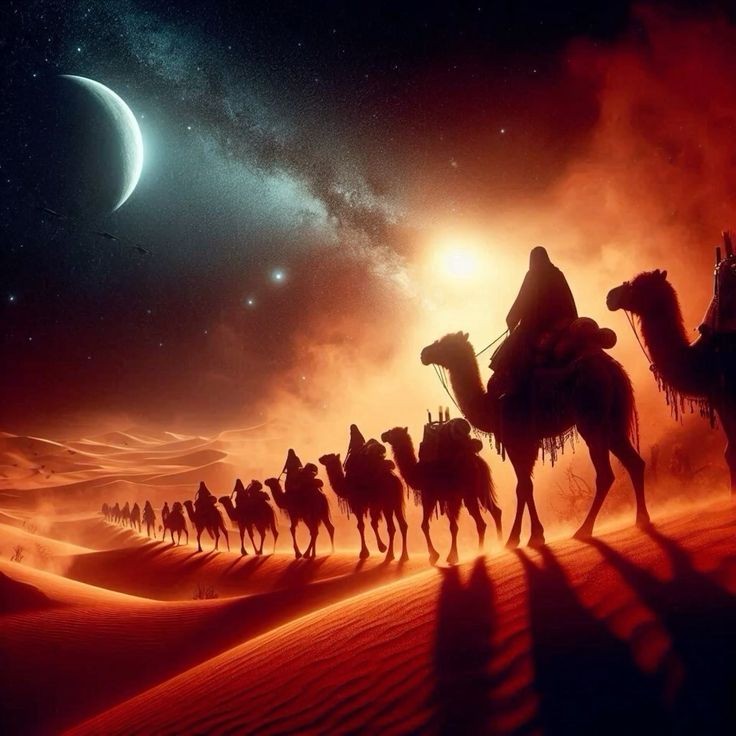
The Silk Road, an intricate tapestry of ancient trade routes, weaves together the rich histories and vibrant cultures of the East and West, spanning thousands of miles across treacherous mountains, vast deserts, and bustling cities. This legendary network not only facilitated the exchange of goods—silk, spices, precious metals—but also the flow of ideas, art, and innovations that shaped civilizations. As merchants, travelers, and scholars ventured along its paths, they encountered a world brimming with mystique and wonder, where dreams of prosperity intertwined with the realities of adventure and danger. In this blog post, we will delve into the enchanting legacy of the Silk Road, exploring its historical significance, the diverse cultures it connected, and the timeless allure that continues to captivate our imaginations today. Join us as we unravel the stories of the past, illuminating the profound impact of these ancient trade routes on our modern world.
1. Introduction to the Silk Road: A Historical Overview
The Silk Road, an intricate web of trade routes stretching from the bustling markets of China to the vibrant cities of the Mediterranean, stands as a testament to the interconnectedness of ancient civilizations. Spanning over 4,000 miles, this legendary pathway was more than just a means for commerce; it was a conduit for cultural exchange, ideas, and innovation that shaped the destinies of empires. Established during the Han Dynasty around the 2nd century BCE, the Silk Road facilitated the movement of silk, spices, precious metals, and other goods, but its true significance lay in the way it fostered relationships between diverse cultures.
Travelers and merchants traversed harsh deserts, treacherous mountains, and thriving oases, each step not only contributing to their livelihoods but also weaving a rich tapestry of shared histories and traditions. The Silk Road was home to bustling caravanserais, where traders would rest and share tales of distant lands, and busy marketplaces that hummed with the sounds of bartering and negotiation. Alongside tangible goods, ideas flowed freely—religions like Buddhism, Zoroastrianism, and Islam spread their wings, while art, science, and technology blossomed in the fertile grounds of cultural interaction.
From the enigmatic allure of the Forbidden City to the majestic ruins of Petra, the Silk Road is a mosaic of stories waiting to be uncovered. As we delve deeper into the intricacies of this remarkable trade network, we will explore its impact on global history, the diverse cultures it connected, and the dreams and aspirations that continue to fascinate scholars and adventurers alike. Join us on this journey through time as we unravel the mystique of the Silk Road, where the whisper of ancient traders can still be heard on the winds of history.
2. The Origins of the Silk Road: Connecting East and West
The Silk Road, a name that evokes images of vibrant markets overflowing with spices, silks, and stories, was not merely a singular path but a vast network of trade routes that emerged around the 2nd century BCE. This intricate web connected the bustling cities of the East, such as Xi’an in China, with the bustling ports of the West, like Antioch and Alexandria. The origins of the Silk Road can be traced back to the Han Dynasty, when the emperor Wu embraced the idea of trade as a means to extend his influence and secure alliances with distant lands.
As caravans laden with goods traversed the arid deserts and towering mountains, cultures intertwined, exchanging not only products but also ideas, philosophies, and technologies. The very essence of the Silk Road lay in its ability to bridge diverse civilizations, allowing for a flow of knowledge that would shape the course of history. Spices from India, precious gems from Persia, and the coveted silk from China found their way into the hands of eager merchants in the West, while Buddhism, Zoroastrianism, and other beliefs ventured eastward, leaving an indelible mark on the societies they encountered.
The allure of the Silk Road was as much about the tangible goods as it was about the intangible exchanges that occurred along its routes. Legends flourished, tales of daring travelers like Marco Polo and the mythical lands they discovered captivated imaginations, igniting a sense of adventure that transcended borders. The Silk Road became synonymous with the spirit of exploration, embodying the dreams of those who sought to connect with others across vast distances.
As we delve into the origins of this remarkable trade network, it is essential to appreciate its role not just as a conduit for commerce but as a catalyst for cultural exchange, a testament to humanity’s enduring desire to explore, connect, and dream beyond the horizon.
3. The Cultural Exchange along the Silk Road
The Silk Road was not merely a network of trade routes; it was a vibrant tapestry of cultural exchange that wove together the diverse civilizations of Asia, the Middle East, and Europe. Over centuries, merchants, scholars, and travelers traversed these paths, carrying with them not just goods, but ideas, traditions, and beliefs that would forever alter the landscapes of the regions they touched.
As silk, spices, and precious metals flowed from East to West, so too did philosophies, religious practices, and artistic influences. Buddhism made its way from India into Central Asia and China, transforming local cultures and giving rise to magnificent temples adorned with intricate carvings and frescoes depicting scenes from the life of the Buddha. Similarly, the spread of Islam along the Silk Road fostered a rich interplay of faith and knowledge, bringing advancements in science, mathematics, and medicine that would ripple through centuries.
Artisans and craftspeople from different regions exchanged techniques and styles, leading to innovations in pottery, textiles, and metallurgy. For instance, the famed blue-and-white porcelain of China gained inspiration from Persian motifs, creating a fusion of aesthetics that was highly prized across continents. The Silk Road also facilitated the sharing of culinary traditions, introducing exotic flavors and cooking methods that would influence local cuisines, resulting in a delightful melting pot of tastes and aromas.
Moreover, the Silk Road was a crucible for languages. As traders interacted, they borrowed words and phrases, enriching their vernaculars and creating linguistic bridges that spanned vast territories. This blending of cultures fostered mutual understanding and respect, highlighting the common threads of humanity amidst diverse customs and practices.
In essence, the cultural exchange along the Silk Road was an intricate dance—each step taken by countless individuals contributed to a legacy of interconnectedness that resonates to this day. The allure of the Silk Road lies not only in the tangible goods that traveled its length but in the profound human experiences that transcended borders, shaping the civilizations that emerged along its storied paths.
4. Goods That Shaped the Silk Road: From Silk to Spices
The Silk Road was not merely a singular path but a sprawling network of trade routes that connected the East to the West, a tapestry woven with the dreams and desires of countless civilizations. Among the most coveted commodities that traversed these ancient pathways, silk stands out as the quintessential symbol of luxury and prestige. Originating from the secretive looms of China, this lustrous fabric was more than just a textile; it was a status symbol that spoke of wealth, power, and sophistication. As merchants transported it along the winding routes, the demand for silk spread like wildfire, igniting a cultural fascination that extended far beyond its fibers.
But silk was just one of the many treasures that shaped the identity of the Silk Road. Spices, too, played an integral role in this intricate web of commerce. From the fragrant allure of cinnamon and the heat of black pepper to the exotic sweetness of cardamom, spices were highly sought after not just for their culinary delights but also for their medicinal properties and preservative qualities. They were the currency of flavor, transforming bland meals into gastronomic wonders and elevating the art of cooking to new heights.
In addition to silk and spices, the Silk Road facilitated the exchange of a plethora of goods—jewelry adorned with precious stones, intricate pottery showcasing the artistry of distant lands, and even rare animals that captivated the imagination of those who encountered them. Each item carried with it the stories and traditions of its homeland, enriching the cultural tapestry of the regions it touched.
As caravans traversed treacherous mountains and arid deserts, the allure of the Silk Road lay not only in the goods themselves but in the dreams and aspirations of those who journeyed along its routes. It was a pathway of possibilities, where the exchange of goods fostered the exchange of ideas, art, and knowledge, ultimately shaping the civilizations that thrived along its banks. The legacy of the Silk Road continues to resonate today, reminding us of the power of trade to connect diverse cultures and create a shared human experience.
5. The Role of Caravanserais in Trade and Travel
The Role of Caravanserais in Trade and Travel
Nestled along the vast expanse of the Silk Road, caravanserais served as essential waypoints for weary travelers and bustling merchants. These fortified inns, often constructed of stone and mud, dotted the trade routes like jewels, providing shelter, sustenance, and safety in a time when long-distance travel was fraught with peril. Typically situated every few miles, they were strategically placed to optimize accessibility and ensure that no caravan had to journey too far without a respite.
As merchants traversed the rugged terrains of mountains and deserts, caravanserais offered more than just a roof over their heads. They became vibrant hubs of commerce and culture, where diverse people from various regions converged. Travelers could rest their animals, replenish supplies, and exchange goods, ideas, and stories, fostering a rich tapestry of cultural interaction. The atmosphere was often lively, filled with the sounds of haggling, laughter, and the delightful aromas of local cuisines wafting through the air.
The architecture of caravanserais was designed for functionality and security. Thick walls protected against bandits and wild animals, while spacious courtyards allowed for the safe accommodation of camels, horses, and their owners. In addition to private rooms for travelers, many caravanserais featured communal areas where guests could share meals and experiences, breaking down barriers between disparate cultures and fostering a sense of kinship among strangers.
Beyond their practical benefits, caravanserais played a vital role in the economic landscape of the Silk Road. They facilitated the flow of goods—silks, spices, precious metals, and more—across continents, transforming local economies and forging connections that would last for generations. The exchanges that occurred within these walls laid the groundwork for future trade networks and cultural exchanges, making caravanserais indispensable to the very essence of the Silk Road.
In the grand narrative of the Silk Road, caravanserais stand as testaments to human ingenuity and resilience. They were not merely stopping points; they embodied the spirit of adventure and the pursuit of connection that defined an era of exploration and trade. Today, as we unravel the mysteries of the Silk Road, these ancient inns remind us of the rich history of interaction, commerce, and cultural exchange that shaped the world as we know it.
6. Notable Cities along the Silk Road: Trade Hubs and Cultural Melting Pots
The Silk Road, a tapestry of trade routes that wove its way through the heart of Asia, was not just a conduit for silk and spices but a vibrant network of cities that served as cultural melting pots. Each city along this legendary pathway was a unique hub of commerce, learning, and cultural exchange, where diverse peoples converged, creating a rich tapestry of traditions, languages, and beliefs.
**Samarkand**, perhaps the jewel of the Silk Road, stands out with its breathtaking architecture and storied history. Once a thriving center for scholars and traders, it is renowned for the Registan, an awe-inspiring square flanked by ornate madrasahs that echo the grandeur of bygone eras. Here, the air is thick with the scent of spices, and the sounds of merchants haggling blend with the melodies of traditional music, reflecting the city’s role as a crossroads of civilizations.
**Bukhara**, another illustrious Silk Road city, enchants visitors with its well-preserved medieval architecture and bustling bazaars. The Ark Fortress, a symbol of the city’s past as a royal residence, tells tales of emperors and conquests. As you wander through the narrow alleyways, you can almost hear the whispers of traders who once sold silk, ceramics, and precious gems, their livelihoods dependent on the flow of goods from distant lands.
Moving further west, **Kashgar** emerges as a pivotal trading outpost. Nestled at the foot of the Pamir Mountains, this city has long been a meeting point for various cultures, from Chinese to Central Asian. The lively Sunday Market, one of the largest in the region, is a sensory feast, with vibrant stalls filled with textiles, handicrafts, and tantalizing local delicacies. Here, the vibrant tapestry of life reveals the enduring spirit of the Silk Road, where traditions thrive amidst the hustle of trade.
Finally, **Xi’an**, the eastern terminus of the Silk Road, holds a special place in history as the starting point of this grand exchange. Home to the Terracotta Army and ancient city walls, Xi’an is a testament to the rich history of the Tang dynasty. As a major cultural and political center, it attracted scholars, artists, and merchants alike, fostering an environment where ideas and innovations flourished.
These notable cities, each with their distinct character and charm, were more than just trade hubs; they were vibrant centers of cultural exchange that shaped the course of history. Today, they continue to captivate and inspire, inviting us to explore the enduring legacy of the Silk Road—where dreams, mystique, and the allure of ancient trade routes converge.
7. The Mystique of the Silk Road: Myths and Legends
The Silk Road, an intricate tapestry of trade routes that wove together the East and West, is steeped in a rich history that is as enchanting as it is enigmatic. Beyond the tangible exchange of silk, spices, and precious stones, the Silk Road inspired a myriad of myths and legends that have captivated imaginations for centuries. Tales of daring merchants traversing treacherous deserts and rugged mountains, shrouded in the mystical allure of the unknown, paint a vivid picture of adventure and peril.
One such legend speaks of the ancient city of Samarkand, a jewel along the Silk Road, said to be guarded by powerful spirits that would protect its treasure. Travelers spoke of a hidden oasis where a river of gold flowed, nourishing the dreams of those who dared to explore its depths. These stories fueled the ambition of countless adventurers, who yearned not only for material wealth but also for the glory of being part of this extraordinary network.
The Silk Road is also woven into the fabric of cultural exchange, where myths from one civilization would intertwine with the narratives of another. The legend of the phoenix, symbolizing rebirth and immortality, spread along the route, influencing art, literature, and folklore from China to the Mediterranean. Every caravan that journeyed along these routes carried not just goods, but also stories that enriched the cultures they touched.
The allure of the Silk Road continues to resonate today, as modern explorers and historians seek to uncover the mysteries that lie within its ancient pathways. Each discovery, each artifact unearthed, adds another layer to the rich tapestry that is the Silk Road, reminding us that behind every myth is a kernel of truth waiting to be discovered. As we delve into these legends, we not only gain insight into the past but also rekindle our own sense of adventure, igniting the dream of exploration that the Silk Road so beautifully embodies.
8. The Influence of Religion and Philosophy on Silk Road Traders
The Silk Road was not just a conduit for commodities; it was a vibrant tapestry woven with the threads of diverse cultures, philosophies, and religions. As traders traversed the vast landscapes connecting East and West, they carried not only silk, spices, and precious metals but also ideas and beliefs that would profoundly shape societies along the route.
Religious ideologies played a crucial role in the interactions between traders and the communities they encountered. Buddhism, for instance, flourished along the Silk Road as missionaries traveled alongside merchants, sharing spiritual teachings that would resonate with local populations. The dissemination of Buddhist texts and art contributed to the establishment of thriving monastic communities in regions such as Central Asia and China, where the religion took root and evolved.
Similarly, the influence of Zoroastrianism, the ancient faith of Persia, permeated the trade networks. As traders passed through Persian lands, they encountered a rich tapestry of beliefs, and many adopted aspects of Zoroastrian thought, such as the duality of good and evil, which informed their worldviews and ethical practices in trade.
The philosophical teachings of Confucianism and Daoism also made their mark along the Silk Road, particularly in East Asia. Confucian ideals of loyalty and respect for hierarchy influenced the way merchants conducted their dealings, fostering relationships built on trust and mutual benefit. On the other hand, Daoism’s emphasis on harmony and balance resonated with traders, encouraging them to adopt a more holistic approach to their interactions with both people and the environment.
In this melting pot of ideas, traders were not merely economic agents; they became cultural ambassadors, facilitating the exchange of knowledge and fostering a spirit of curiosity and enlightenment. The interactions along the Silk Road allowed for the cross-pollination of philosophies, leading to new schools of thought and enriching the spiritual and intellectual landscapes of the regions touched by this ancient trade network.
As we unravel the intricate connections between trade and belief systems along the Silk Road, we gain a deeper understanding of how these ancient routes were not just paths for commerce, but also vital arteries for the flow of human thought and connection. The influence of religion and philosophy on Silk Road traders exemplifies the enduring power of cultural exchange, shaping the destinies of civilizations and leaving an indelible mark on history.
9. The Impact of the Silk Road on Art and Architecture
The Silk Road, often romanticized as a winding tapestry of cultural exchange, had a profound impact on art and architecture that resonates through the ages. This intricate network of trade routes not only facilitated the exchange of goods but also served as a conduit for ideas, beliefs, and artistic influences between East and West.
As merchants traveled along these pathways, they carried with them not just silk and spices, but also the rich visual traditions of their homelands. The artistic styles and techniques that emerged from these interactions created a mosaic of creativity that reflected the diverse cultures involved. For example, the vibrant colors and intricate patterns found in Persian carpets exhibit a blend of influences from Chinese motifs and Greco-Roman designs, showcasing how art evolved through cross-cultural exchanges.
Architecturally, the Silk Road spurred the construction of magnificent structures that symbolized the fusion of various cultural elements. The grand mosques of Samarkand, with their stunning tile work and soaring minarets, illustrate the melding of Islamic artistry with local styles and techniques. In contrast, the enduring legacy of Buddhist stupas found along the route showcases the spread of Eastern philosophies and aesthetics, influencing architectural designs as far away as Japan and Korea.
Furthermore, the Silk Road inspired the creation of iconic artworks that have transcended time. The intricate frescoes of Dunhuang’s Mogao Caves, depicting scenes of daily life and celestial beings, reflect the cultural syncretism that defined the region during the height of Silk Road activity. Similarly, the exchange of religious iconography led to a vibrant array of artistic expressions, from Hindu sculptures in Southeast Asia to the serene faces of Chinese bodhisattvas, each telling a story of connection and shared dreams.
In essence, the impact of the Silk Road on art and architecture is a testament to the power of human creativity and collaboration. The legacies of these ancient trade routes continue to inspire contemporary artists and architects, reminding us that, despite geographical distances, our shared passions and visions can create a tapestry of beauty that unites us across time and space.
10. Decline of the Silk Road: Factors Leading to Its Fall
The decline of the Silk Road marked the end of an era that had shaped cultures, economies, and societies across continents for centuries. While the vibrant exchange of goods, ideas, and traditions once flourished along this ancient trade route, a multitude of factors contributed to its gradual disintegration.
One significant element was the rise of maritime trade routes. As maritime technology advanced, the allure of sea travel grew stronger, allowing merchants to bypass the arduous overland journey filled with dangers such as banditry and harsh terrain. The discovery of new sea routes to the East, particularly by European explorers in the 15th and 16th centuries, shifted the focus from land to water, leading to a decline in the Silk Road’s prominence.
Political instability also played a crucial role in the Silk Road’s decline. The Mongol Empire, which had once unified vast stretches of territory and provided safety for traders, fragmented into smaller, warring states. This instability created a perilous environment for merchants, who faced increased risks of robbery, taxation, and even conflict. As the political landscape shifted, many trade routes that had once thrived fell into disuse and disrepair.
Additionally, the advent of the Black Death in the 14th century had devastating effects on the population and trade systems across Eurasia. The plague not only decimated populations but also disrupted trade networks, leading to a significant decline in the flow of goods and the movement of people along the Silk Road.
Moreover, changing consumer preferences and the introduction of new goods further contributed to the Silk Road’s decline. As Western Europe began to seek products from the Americas and other regions, the demand for the luxury goods that had once driven trade along the Silk Road began to wane. The rise of local industries also meant that many products could be sourced closer to home, diminishing the necessity for long-distance trade.
In conclusion, the decline of the Silk Road was not the result of a single event but rather a confluence of shifting economic, political, and social factors. While the trade route may have faded into history, its legacy endures, reminding us of the intricate connections that once bound distant civilizations together in a web of commerce, culture, and exchange.
11. The Legacy of the Silk Road in Modern Trade
The legacy of the Silk Road extends far beyond its historical significance; it continues to shape modern trade practices in profound and intriguing ways. The ancient network of trade routes, which connected the East and West, was a melting pot of cultures, ideas, and goods. Today, this rich tapestry of interaction serves as a foundation for contemporary global commerce.
In a world that thrives on connectivity, the principles established along the Silk Road resonate deeply within today’s trade dynamics. The exchange of silk, spices, precious metals, and artistic influences laid the groundwork for the concept of globalization, which is now a cornerstone of our economy. Modern supply chains reflect the intricate weaving of relationships that once characterized these ancient routes, highlighting the importance of collaboration and mutual benefit.
Furthermore, the Silk Road’s spirit of exploration and innovation is mirrored in today’s entrepreneurial efforts. Just as traders of yore ventured into the unknown, modern businesses continuously seek new markets, leveraging technology to navigate the complexities of international trade. E-commerce, for instance, has adopted the essence of the Silk Road, allowing merchants to reach customers across continents with unparalleled ease.
Moreover, the environmental and cultural exchanges that flourished along the Silk Road serve as a reminder of the importance of sustainability in trade practices today. As we navigate the challenges of a rapidly changing world, the Silk Road’s legacy inspires us to prioritize ethical sourcing, fair trade, and respect for diverse cultures in our global interactions.
In essence, the Silk Road is not merely a relic of the past; it is a living legacy that informs and enriches our modern approach to trade. By looking back at the dreams and aspirations of ancient traders, we can better understand the interconnected world we inhabit today, fostering relationships that honor the spirit of cooperation and exchange that once defined this remarkable route.
12. Reimagining the Silk Road: The Belt and Road Initiative
The Belt and Road Initiative (BRI) serves as a modern echo of the ancient Silk Road, reimagining the age-old trade routes that once connected East and West. Launched in 2013 by China, this ambitious global development strategy aims to enhance regional connectivity and embrace a brighter economic future through infrastructure investment, cultural exchange, and trade partnerships.
As we delve into the essence of the BRI, we find that it is not merely a revival of historical trade routes but a transformative vision that encompasses a vast network of roads, railways, ports, and digital pathways. Encompassing over 60 countries, the initiative seeks to foster economic growth by facilitating the movement of goods, capital, and people, much like its ancient predecessor.
Imagine bustling trade hubs springing to life along the new Silk Road, echoing the vibrant marketplaces of yore, where merchants from diverse cultures exchanged spices, textiles, and ideas. Today, the BRI aims to recreate that sense of unity and collaboration, bridging gaps between nations and fostering a spirit of shared prosperity.
However, the BRI is not without its complexities. While it offers countless opportunities for economic development, the initiative has also sparked discussions about geopolitical influence, sustainability, and the balance of power on the global stage. As countries navigate the intricacies of participation, the initiative poses both challenges and promises, prompting a reevaluation of traditional trade dynamics.
In this reimagining of the Silk Road, we witness the convergence of ancient dreams and modern aspirations. The BRI stands as a testament to humanity’s enduring desire for connection, cooperation, and cultural exchange—a desire that has persisted through centuries and now finds new expression in an interconnected world. As we explore the impact of this initiative, we recognize that the allure of the Silk Road lives on, continuing to inspire dreams of exploration and collaboration in the 21st century.
13. Travel Tips for Exploring Silk Road Destinations Today
Exploring the Silk Road today is like stepping into a vibrant tapestry woven with threads of history, culture, and adventure. As you embark on this journey through ancient trade routes, here are some travel tips to ensure your experience is as enriching as the lands you traverse.
**1. Research Your Destinations:** The Silk Road spans a vast expanse across Central Asia, touching countries like China, Uzbekistan, Kazakhstan, and Iran. Each destination has its unique charm, from the bustling bazaars of Samarkand to the serene landscapes of the Taklamakan Desert. Take time to learn about the history, customs, and notable sites in each location to enhance your appreciation for what you’ll encounter.
**2. Embrace Local Culture:** The Silk Road is a melting pot of cultures, and immersing yourself in the local way of life can be one of the most rewarding aspects of your journey. Try traditional foods, participate in local festivals, and engage with artisans who keep ancient crafts alive. This not only supports the communities but also offers a glimpse into the rich heritage that has shaped the region.
**3. Pack Wisely:** Given the diverse climates along the Silk Road, packing appropriately is crucial. Layers are your best friend, as temperatures can fluctuate dramatically between day and night. Additionally, comfortable footwear is essential for navigating ancient ruins and bustling markets alike.
**4. Be Mindful of Travel Logistics:** While the romance of the Silk Road is undeniable, modern travel can present challenges. Plan your itinerary carefully, considering transportation methods as many regions may have limited connectivity. Utilize local guides who can navigate the nuances of the area and enhance your experience with their insights.
**5. Stay Open-Minded:** The allure of the Silk Road lies in its unpredictability. Embrace the unexpected – from language barriers to cultural differences. These moments often lead to the most memorable experiences. Be ready to adapt your plans and go with the flow; after all, some of the best stories come from unplanned adventures.
**6. Capture the Moment Respectfully:** With breathtaking landscapes and vibrant local life around every corner, you’ll want to document your journey. However, always ask for permission before taking photos of individuals or sacred sites. Respect for local customs will not only enrich your experience but also foster goodwill among the communities you visit.
By keeping these travel tips in mind, you can unlock the full potential of your Silk Road adventure, allowing the mystique, dreams, and allure of this ancient trade route to unfold before you in all its glory. Whether you’re tracing the footsteps of ancient merchants or savoring the flavors of diverse cuisines, the Silk Road promises a journey that resonates long after you return home.
14. Conclusion: The Enduring Allure of the Silk Road
The Enduring Allure of the Silk Road
As we draw the curtain on our exploration of the Silk Road, it becomes clear that this ancient trade route is more than just a series of paths connecting distant lands; it is a tapestry woven with the threads of culture, commerce, and human connection. Spanning thousands of miles and traversing diverse terrains, the Silk Road facilitated not only the exchange of goods but also the sharing of ideas, art, and philosophies, fostering a rich mosaic of civilizations that shaped the world as we know it today.
The mystique of the Silk Road lies in its ability to captivate the imagination, evoking images of caravans laden with silks, spices, and precious gems, journeying across vast deserts and towering mountains. It symbolizes the spirit of adventure and discovery, reminding us of a time when the world felt vast and full of possibility. The legends and tales that emerged from these routes, from the travels of Marco Polo to the stories of exotic treasures, continue to inspire curiosity and wonder.
In today’s globalized world, the Silk Road serves as a poignant reminder of our interconnectedness. The ancient paths remind us that trade has always been a bridge between cultures, fostering relationships and understanding among peoples. As we navigate the complexities of the modern world, the lessons of cooperation and shared dreams from the Silk Road remain ever relevant.
In conclusion, the allure of the Silk Road endures, inviting us to delve deeper into its rich history and to appreciate the legacy of those who traversed its winding routes. It encourages us to embrace the spirit of exploration and to recognize the beauty in the diversity of cultures that continue to thrive in our interconnected world. The Silk Road is not just a relic of the past; it is a vibrant reminder of the journeys that shape our present and will continue to influence our future.
15. Further Reading and Resources on the Silk Road
As we journey through the captivating history and rich tapestry of the Silk Road, delving into further reading and resources can deepen your understanding and appreciation of this ancient trade network. The Silk Road, with its complex interconnections of cultures, ideas, and goods, offers a wealth of knowledge that continues to inspire historians, travelers, and dreamers alike.
For those eager to explore more, consider diving into the seminal work *The Silk Roads: A New History of the World* by Peter Frankopan. This compelling narrative shifts the focus from traditional Western histories to highlight the significance of the East and its pivotal role in shaping global dynamics. Frankopan’s vivid storytelling and extensive research breathe life into the ancient routes, making it a must-read for anyone interested in the Silk Road’s enduring impact.
Another excellent resource is *Silk Roads: Highways of Culture and Commerce* by Valerie Hansen. In this book, Hansen meticulously unpacks the complexities of trade, culture, and the exchange of ideas along the Silk Road, providing readers with a clearer view of how these interactions influenced civilizations. Her thoughtful analysis is complemented by rich illustrations, offering a visual feast that enhances the reading experience.
For those who prefer a more interactive approach, numerous documentaries and educational films delve into the Silk Road’s history. *The Silk Road: Past, Present, Future*, available on various streaming platforms, features stunning cinematography and expert interviews that transport viewers along the ancient routes, exploring their significance from antiquity to modern times.
Online resources also abound, with websites like the British Museum and the Asian Art Museum hosting extensive collections and articles dedicated to the Silk Road. These platforms provide a treasure trove of artifacts, maps, and scholarly articles that can enrich your understanding of this intricate web of trade and culture.
Finally, consider joining forums and discussion groups focused on historical trade routes. Engaging with fellow enthusiasts can lead to fascinating exchanges and uncover lesser-known resources that can further illuminate the Silk Road’s legacy.
By immersing yourself in these varied resources, you can uncover the layers of mystique, dreams, and allure that define the Silk Road, gaining insights that transcend time and continue to resonate in our interconnected world today.
As we conclude our journey through the enchanting world of the Silk Road, we invite you to reflect on the profound impact this ancient trade route had on the cultures, economies, and dreams of those who traversed its winding paths. The Silk Road was not just a conduit for goods; it was a vibrant tapestry woven from the threads of diverse civilizations, each leaving its mark on the others. From the luxurious silks and spices that ignited desires to the ideas and innovations that sparked revolutions, the legacy of the Silk Road continues to resonate in our interconnected world today. We hope this exploration has inspired you to delve deeper into the stories, mysteries, and treasures of this remarkable trade route, igniting your own sense of adventure and curiosity about the rich tapestry of human history. Thank you for joining us on this journey, and may your own explorations lead you to discover the allure of the past in your present.
Image courtesy of pinterest
 fauxcroft
Leave a comment