
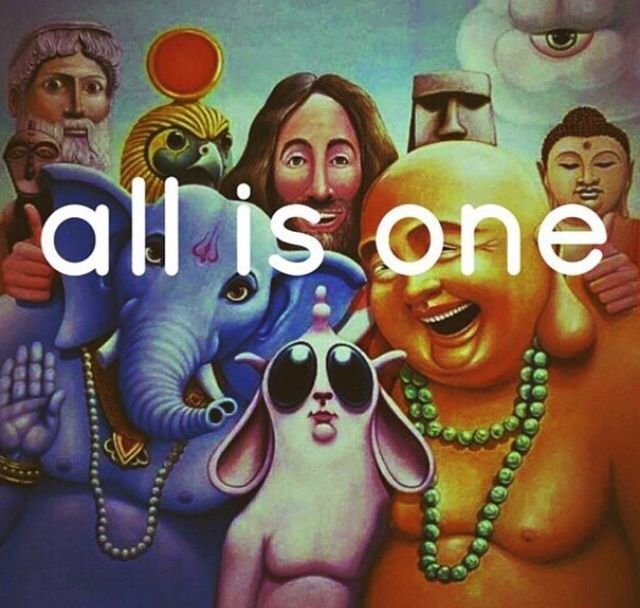
In an increasingly interconnected world, the divisions wrought by religious beliefs and dogmas can often overshadow our shared humanity, creating barriers that hinder progress and understanding. The “Coexistence Revolution” seeks to transcend these divides, inviting us to explore the boundless potential that lies in our collective diversity. By fostering dialogue, empathy, and collaboration across faiths and ideologies, we can unlock a new era of cooperation that celebrates our differences while uniting us in common purpose. This blog post will delve into the profound implications of embracing coexistence, showcasing inspiring stories of individuals and communities that have successfully bridged gaps and fostered harmony. Join us as we embark on a transformative journey toward a more inclusive future, where the richness of our varied beliefs becomes a catalyst for innovation, peace, and mutual respect.
1. Introduction: The Need for a Coexistence Revolution
In an increasingly interconnected world, the divisions wrought by religious differences and dogmatic beliefs have never been more pronounced. Despite the advancements in technology and communication that allow us to share ideas and experiences across the globe, we often find ourselves barricaded behind the walls of our own ideologies. These divisions not only breed conflict but also stifle the collective potential of humanity. It is within this context that we find the urgent need for a Coexistence Revolution—a movement aimed at transcending these barriers and unlocking the true potential of our diverse, multicultural society.
The world is rich with a tapestry of beliefs, traditions, and practices, each offering unique insights into the human experience. Yet, too often, these differences are perceived as threats rather than opportunities for growth and understanding. The Coexistence Revolution seeks to challenge these perceptions, advocating for a paradigm shift that emphasizes empathy, dialogue, and mutual respect. By embracing our shared humanity rather than focusing on what separates us, we can cultivate an environment where collaboration flourishes and innovation thrives.
This revolution is not just a lofty ideal; it is a necessary response to the pressing challenges we face today—be it social injustice, environmental degradation, or economic inequality. When we unite across religious lines, we tap into a vast reservoir of wisdom and creativity that can lead to transformative solutions. As we embark on this journey, we must recognize that the path to coexistence begins with us—each individual has a role to play in fostering a culture of understanding and acceptance.
In the following sections, we will explore the foundational principles of the Coexistence Revolution, examine the historical context of religious divisions, and highlight inspiring examples of collaboration across belief systems. Together, we can ignite a movement that not only embraces diversity but also celebrates it as a vital component of our shared future. The time for change is now; let us unlock humanity’s potential beyond religious division and dogma.
2. Understanding Religious Division: Historical Context
To grasp the profound impact of religious division on humanity, it is essential to delve into its historical context. Throughout history, religious beliefs have shaped civilizations, influencing everything from governance to social norms. However, this influence has not always been a unifying force; instead, it has often been a catalyst for conflict and division.
Take, for instance, the Crusades, a series of religious wars between Christians and Muslims during the medieval period. What began as a quest for holy lands became a brutal struggle that left scars on both faiths and their followers. Similarly, the Protestant Reformation reshaped Europe, leading to not only spiritual renewal but also significant social upheaval, as Catholics and Protestants clashed in a dramatic assertion of beliefs. Each of these events underscores how deeply ingrained religious differences can lead to discord, often overshadowing the shared values of compassion and community that many faiths espouse.
Moreover, the rise of secularism in the modern era has introduced new dynamics into the conversation. As societies transitioned towards secular governance, the tension between religious identity and national identity became increasingly pronounced. This has led to a reevaluation of beliefs, with some groups feeling marginalized, while others advocate for the separation of church and state as a means of fostering inclusivity.
In examining these historical narratives, it becomes clear that religious division is not merely a contemporary issue but a complex tapestry woven through centuries of human experience. Understanding this context allows us to recognize patterns of division that persist today and highlights the importance of fostering dialogue and collaboration among different faiths. By acknowledging the historical roots of religious conflict, we can work towards a future where our shared humanity transcends dogma and division, paving the way for a coexistence revolution that unlocks the full potential of all people.
3. The Impact of Dogma on Society and Relationships
Dogma, at its core, represents a set of beliefs or doctrines that are accepted by a group without question. While this can provide a sense of identity and community for its adherents, the impact of dogma on society and relationships can be profound and often detrimental. One of the most significant consequences of dogmatic thinking is the polarization it fosters within communities. When individuals cling rigidly to their beliefs, they tend to create an “us versus them” mentality, leading to division rather than dialogue. This can strain familial ties, friendships, and community relationships, as differing beliefs become points of contention rather than opportunities for understanding and growth.
In social settings, dogma can stifle creativity and critical thinking. When people fear questioning established norms, they may miss out on innovative ideas and diverse perspectives. This stagnation not only hinders personal development but can also limit societal progress as a whole. Furthermore, dogma often promotes intolerance; it can lead individuals to dismiss or dehumanize those who hold different beliefs, which can escalate into prejudice and conflict.
On a personal level, the weight of dogma can lead to feelings of isolation for those who begin to question these entrenched beliefs. The fear of rejection within tightly-knit communities can discourage open conversations, leaving individuals to grapple with doubt and confusion in silence. This internal struggle often results in emotional turmoil, as individuals feel torn between their authentic selves and the expectations imposed upon them by their beliefs.
In recognizing the impact of dogma on our lives, we can begin to explore pathways towards coexistence and mutual understanding. By fostering environments that encourage open dialogue and respectful discourse, we can break down the barriers that dogma creates. Embracing a mindset of curiosity and empathy allows us to appreciate the richness of human experience, ultimately unlocking our potential for deeper connections and a more harmonious society.
4. The Role of Compassion and Empathy in Coexistence
In a world often marred by division and conflict, compassion and empathy emerge as powerful forces that can bridge the gaps between diverse belief systems and cultural backgrounds. These qualities are not merely ideals; they are essential tools for fostering understanding and acceptance among individuals who may hold vastly different perspectives. Compassion allows us to recognize the shared humanity in one another, illuminating the common experiences of joy, suffering, love, and loss that bind us together, irrespective of our religious or cultural affiliations.
Empathy goes a step further, inviting us to step into the shoes of others and see the world through their eyes. This practice encourages open dialogue and genuine connection, dismantling the barriers that often lead to misunderstanding and hostility. When we cultivate empathy, we can appreciate the unique journeys of others—acknowledging their struggles and aspirations without judgment. This not only enriches our own understanding but also fosters an environment where diverse voices are heard and respected.
In the context of the coexistence revolution, compassion and empathy serve as the bedrock for meaningful relationships and collaborative efforts. They inspire us to engage in active listening, to ask questions rather than make assumptions, and to seek common ground rather than magnify differences. By embracing these principles, we can create spaces where dialogue flourishes, where conflicts are resolved through mutual respect, and where the richness of our diversity is celebrated rather than feared.
Consider community initiatives centered around interfaith dialogues or cultural exchanges, where individuals from various backgrounds come together to share their beliefs and traditions. These gatherings, steeped in compassion and empathy, can transform perceptions, dispel stereotypes, and foster a deep sense of connection among participants. When people feel seen and understood, they are more likely to extend that same kindness to others, creating a ripple effect that transcends individual interactions.
Ultimately, the role of compassion and empathy in coexistence is about unlocking humanity’s potential to thrive together, rather than apart. By prioritizing these virtues in our everyday lives, we can dismantle the walls built by fear and ignorance, paving the way for a future where diversity is not just tolerated but celebrated. In this revolution of coexistence, compassion and empathy become the guiding stars, illuminating the path toward a more harmonious and united world.
5. Case Studies: Successful Examples of Interfaith Collaboration
In a world often divided by religious beliefs, there are inspiring case studies that illuminate the power of interfaith collaboration. These success stories not only exemplify coexistence but also showcase the profound impact that unity can have in addressing societal challenges and fostering a sense of community.
One notable example is the **Interfaith Youth Core (IFYC)**, a vibrant organization founded in the United States that brings together young people from diverse religious backgrounds. Through initiatives like interfaith service projects and leadership programs, IFYC has empowered thousands of youth to work collaboratively on issues like poverty, education, and environmental sustainability. By participating in these shared initiatives, young leaders not only bridge gaps between faiths but also develop a renewed sense of purpose and identity as global citizens.
Another compelling case is the **Glocal Forum**, which operates in various countries and focuses on local action through a global lens. By organizing interfaith dialogues and community service events, the Glocal Forum has successfully united religious leaders and community members to tackle pressing issues such as refugee crises and social inequality. Through storytelling and shared experiences, participants gain a deeper understanding of one another, breaking down stereotypes and fostering empathy.
In India, the **Mahatma Gandhi Trust** has been instrumental in promoting interfaith harmony through its annual festival, “Unity in Diversity.” This event brings together people from various religious backgrounds to celebrate their shared values and cultural heritage. Workshops, discussions, and cultural performances not only enrich the community’s cultural tapestry but also inspire collective action for social justice and peace.
These case studies highlight that interfaith collaboration is not just a noble idea; it’s a tangible approach that leads to significant, positive change. By learning from these examples, we can envision a future where religious diversity is celebrated, and humanity’s potential is unlocked through understanding, respect, and collaboration. In a world that often feels fragmented, these stories serve as powerful reminders that we are stronger together, transcending the boundaries that divide us.
6. Bridging Cultural Gaps: Lessons from Diverse Communities
In our increasingly interconnected world, the ability to bridge cultural gaps has never been more crucial. Diverse communities offer valuable lessons in coexistence, showcasing how the blending of different perspectives can lead to innovation, understanding, and harmony. By looking closely at these vibrant cultures, we can glean insights that not only challenge preconceived notions but also foster deeper connections between individuals from varied backgrounds.
Take, for instance, the example of multicultural neighborhoods where traditions, languages, and celebrations intermingle. In such environments, residents often engage in cultural exchange, sharing recipes, music, and customs that may differ significantly from their own. These interactions create a rich tapestry of experiences, allowing individuals to appreciate the beauty in diversity rather than viewing it as a source of division.
Moreover, community events that celebrate various cultural festivals serve as a powerful reminder of our shared humanity. These gatherings create spaces for dialogue, where people can discuss their beliefs and values in a respectful environment. Through storytelling and active listening, community members learn to appreciate each other’s journeys, ultimately cultivating empathy and reducing stereotypes.
Education also plays a pivotal role in bridging cultural gaps. Schools that incorporate multicultural curricula help students recognize the importance of different perspectives from an early age. By emphasizing collaboration and mutual respect, children learn to value diversity, equipping them with the tools necessary for fostering a more inclusive society.
As we explore the lessons from these diverse communities, we realize that bridging cultural gaps is not merely an idealistic vision; it is a practical approach to enhancing our collective potential. By embracing the richness of our differences, we can build a foundation for coexistence that transcends religious division and dogma, unlocking the true power of humanity.
7. The Power of Dialogue: Creating Safe Spaces for Discussion
In an increasingly polarized world, the power of dialogue stands as a beacon of hope, fostering understanding and connection among diverse perspectives. Creating safe spaces for discussion is essential in transcending the barriers that religious division and dogma often erect. These environments allow individuals to share their stories, beliefs, and experiences without fear of judgment or hostility.
Imagine a community center where people from various faiths and backgrounds gather not to debate, but to engage in open, respectful conversations. Here, the air buzzes with curiosity rather than contention. Participants are encouraged to ask questions, share their thoughts, and listen actively, cultivating a sense of empathy and mutual respect. In these spaces, the emphasis is not on winning an argument but on expanding one’s horizon and deepening one’s understanding of others.
Workshops, roundtable discussions, and interfaith dialogues can serve as catalysts for such interactions. They provide structured opportunities for individuals to navigate complex topics, exploring the nuances of belief systems while discovering common ground. By prioritizing active listening and compassionate communication, these dialogues can dismantle preconceived notions and foster a sense of community that transcends religious affiliations.
Moreover, safe spaces for discussion can serve as a platform for transformative storytelling. When individuals share their personal narratives, they humanize abstract ideologies, allowing others to relate on a deeper level. This exchange of stories can bridge gaps, dispel myths, and ultimately lead to a collective recognition of our shared humanity.
As we harness the power of dialogue, we begin to unlock humanity’s potential, fostering an environment where cooperation and coexistence can flourish. In doing so, we not only enrich our own lives but also pave the way for a more harmonious and understanding world—one that celebrates diversity rather than fears it. The journey toward coexistence begins with the courage to speak, to listen, and to engage in meaningful discussions, paving the way for a future free from the shackles of division.
8. Educational Approaches: Teaching Tolerance and Acceptance
In a world often divided by religious beliefs and dogmas, educational approaches that emphasize tolerance and acceptance can serve as powerful catalysts for change. By integrating these principles into curricula at all educational levels, we can foster an environment where diversity is celebrated rather than shunned.
Imagine classrooms where children are encouraged to explore various religious and cultural perspectives, learning not only about their own traditions but also about those of their classmates. Lessons that include storytelling from different faiths, discussions around shared values, and collaborative projects can help students recognize the common threads that bind humanity together. Educators can play a pivotal role in this transformation by modeling open-mindedness and creating safe spaces for dialogue.
Moreover, incorporating experiential learning through community engagement can deepen understanding. Field trips to different places of worship, cultural festivals, or interfaith dialogues can provide firsthand experiences that demystify beliefs and practices. Such exposure can reduce fear and stereotypes, allowing students to form genuine connections with others from diverse backgrounds.
Educators should also focus on critical thinking skills, teaching students how to analyze and question dogmas without dismissing the underlying humanity behind them. By encouraging young minds to engage thoughtfully with differing viewpoints, we prepare them to navigate a complex world with empathy and respect.
In essence, educational approaches that prioritize tolerance and acceptance are not just about teaching facts; they are about nurturing a mindset that values diversity as a strength. Through this lens, we can cultivate a generation that embraces coexistence and works collectively towards a more harmonious future.
9. Art and Expression as Tools for Unity
Art and expression have long served as powerful conduits for human connection, transcending barriers of language, culture, and belief. In a world often divided by religious dogmas and ideological differences, the creative realm offers a sanctuary where unity can flourish. Through the vibrant strokes of a painter’s brush, the haunting notes of a musician’s melody, or the poignant words of a poet, individuals can find common ground, fostering empathy and understanding.
Consider how street art can transform urban landscapes into canvases of hope and resilience. Murals depicting shared human experiences resonate with viewers from all walks of life, igniting conversations that transcend societal divides. Similarly, performances—be it theater, dance, or music festivals—invite people into a collective experience, encouraging them to engage with one another in a way that transcends individual beliefs. These artistic expressions often speak to the shared struggles, dreams, and aspirations that bind us as a global community.
Moreover, art can serve as a platform for dialogue and healing. In workshops and collaborative projects, people from diverse backgrounds come together to express their stories and perspectives, breaking down prejudices and building bridges of compassion. This dialogue fosters a sense of belonging and encourages participants to see beyond their differences, recognizing the shared humanity that lies within.
As we embrace art and expression as tools for unity, we must also acknowledge their potential to inspire social change. Artists have historically been at the forefront of movements advocating for justice and equality, using their platforms to challenge the status quo and galvanize communities. By harnessing the transformative power of creativity, we can inspire others to join in the quest for coexistence, fostering a world where diversity is celebrated rather than feared.
In a time marked by division, let us recognize the profound potential of art and expression to unify us. By championing creative endeavors that promote understanding and shared experiences, we can unlock humanity’s potential to coexist harmoniously, celebrating the rich tapestry of beliefs and cultures that make our world so beautifully complex.
10. The Role of Technology in Promoting Understanding
In an age where connectivity is at our fingertips, technology serves as a powerful catalyst for promoting understanding among diverse religious and cultural communities. Social media platforms, online forums, and virtual reality experiences have transformed the way we engage with one another, breaking down geographical and ideological barriers that have historically separated us.
Imagine a world where individuals from different faiths can share their beliefs, traditions, and stories through interactive platforms that foster dialogue and empathy. Tools like video conferencing allow for real-time discussions, enabling communities to come together across continents to celebrate differences and find common ground. These digital spaces encourage open conversations that challenge preconceived notions and promote a deeper understanding of one another’s perspectives.
Moreover, technology can help dispel myths and stereotypes that fuel division. Educational apps and websites dedicated to interfaith dialogue provide resources that illuminate the rich tapestry of human belief systems, showcasing the values and similarities that unify us rather than those that divide us. Virtual reality experiences can immerse users in the rituals and practices of other faiths, allowing for a profound, empathetic understanding that transcends mere words.
In addition, data-driven insights can identify patterns of misunderstanding or conflict, enabling communities to address issues proactively. By leveraging analytics, organizations can tailor their outreach efforts to foster dialogue in areas where tensions exist, creating opportunities for healing and collaboration.
As we navigate this coexistence revolution, it is essential to harness the potential of technology not just as a tool for communication, but as a bridge that connects hearts and minds. By embracing a digital landscape that champions understanding, we can unlock humanity’s potential, moving beyond religious division and dogma toward a harmonious future where diversity is celebrated as a strength rather than a barrier.
11. Overcoming Fear and Misconceptions: A Path to Unity
In a world often divided by religious beliefs and dogma, the journey toward unity begins with overcoming fear and misconceptions. Fear is a powerful emotion; it can breed misunderstanding and resentment, particularly when it comes to differing faiths. Many people harbor preconceived notions about others’ beliefs, often shaped by stereotypes, media portrayals, or even personal experiences. These misconceptions can lead to a cycle of mistrust that is difficult to break.
To foster genuine coexistence, we must first confront these fears head-on. This involves engaging in open, honest dialogues where individuals can express their beliefs without judgment, fostering a safe space for vulnerability. By sharing personal stories and experiences, we can begin to dismantle the barriers that separate us, revealing the common threads of humanity that bind us together.
Education plays a crucial role in this process. Schools, community centers, and religious institutions can serve as platforms for interfaith discussions, workshops, and cultural exchanges that illuminate the beauty and richness of diverse belief systems. When we educate ourselves about others’ practices and perspectives, we not only dispel myths but also cultivate empathy and respect.
Additionally, practicing active listening is essential. Instead of approaching conversations with the intent to persuade, we should seek to understand. This shift in mindset can transform contentious dialogues into opportunities for connection. When people feel heard and validated, it opens the door to deeper understanding and compassion.
Ultimately, overcoming fear and misconceptions is not just about tolerance; it’s about embracing our differences as a source of strength. By actively working towards a collective understanding, we can unlock humanity’s potential and pave the way for a more harmonious coexistence, where diversity is celebrated rather than feared. This path to unity is an ongoing journey that requires commitment, open-mindedness, and a willingness to grow together.
12. The Importance of Shared Values in Coexistence
In the tapestry of human experience, shared values serve as the threads that bind us together, transcending the boundaries of religion, culture, and ideology. These common principles—such as compassion, respect, justice, and integrity—create a foundation upon which diverse communities can build meaningful relationships. When we prioritize these shared values, we foster an environment of understanding and collaboration, allowing individuals from different backgrounds to come together in harmony.
Emphasizing shared values in the context of coexistence is not merely an idealistic notion; it is a practical approach to navigating a world often fraught with division. By focusing on what unites rather than what separates us, we can bridge gaps that religious dogma and cultural differences might otherwise widen. For instance, organizations that promote interfaith dialogue often highlight common moral teachings found across various religions, such as the importance of kindness and the pursuit of peace. This not only strengthens community bonds but also cultivates a sense of collective responsibility towards one another.
Moreover, shared values can act as a powerful antidote to extremism and intolerance. In an age where misinformation can easily spread and amplify divisive rhetoric, grounding our discussions in universally accepted principles can help mitigate conflict. When individuals feel valued and understood, they are more likely to engage in constructive dialogue, leading to collaborative solutions rather than adversarial encounters.
Ultimately, recognizing and nurturing shared values is essential for unlocking humanity’s potential. It encourages us to look beyond superficial differences and to embrace the richness of our collective experiences. By fostering a culture of coexistence rooted in these shared ideals, we can create a more compassionate, equitable, and harmonious world—one where every individual, regardless of their background, has the opportunity to thrive.
13. Practical Steps for Individuals to Foster Unity
In a world often divided by religious beliefs and dogma, fostering unity requires intentional action and a willingness to engage with others. Here are some practical steps individuals can take to promote understanding and harmony within their communities:
1. **Educate Yourself**: Start by expanding your knowledge about different faiths and belief systems. Read books, attend lectures, or participate in interfaith dialogues that provide insights into the values and traditions of others. This foundational understanding can help dismantle stereotypes and promote empathy.
2. **Engage in Conversations**: Open dialogue is critical. Initiate conversations with people from different backgrounds and listen actively. Share your perspective while being open to differing viewpoints. Creating a safe space for discussion allows for the exchange of ideas and fosters respect.
3. **Participate in Community Initiatives**: Join or support community programs that promote interfaith cooperation, social justice, or humanitarian efforts. Volunteering alongside individuals from diverse backgrounds can build bonds and reinforce the idea that shared humanity transcends religious differences.
4. **Practice Compassion and Kindness**: Small acts of kindness can have a ripple effect. Whether it’s helping a neighbor in need or offering a smile to a stranger, practicing compassion cultivates a sense of connection. Encourage others to do the same, creating a culture of kindness that celebrates diversity.
5. **Challenge Stereotypes and Prejudices**: When you encounter negative stereotypes or prejudiced remarks, speak out against them. Use your voice to challenge divisive narratives and promote a more inclusive perspective. Encourage others to reflect on their biases and engage in constructive conversations about differences.
6. **Promote Shared Goals**: Identify common goals that transcend religious beliefs, such as environmental sustainability, social justice, or community development. Collaborating on shared initiatives can create a sense of unity and purpose, reminding individuals of their common humanity.
7. **Celebrate Diversity**: Organize or participate in events that celebrate cultural and religious diversity within your community. Festivals, art exhibits, and cultural exchanges provide opportunities for people to learn about and appreciate each other’s traditions, fostering a spirit of coexistence.
By taking these practical steps, individuals can play a pivotal role in nurturing an environment that prioritizes unity over division. In doing so, we unlock the potential for a more harmonious society, where diverse beliefs coexist, and mutual respect flourishes. The coexistence revolution is not just an abstract ideal; it is a call to action for each of us to contribute to a world where understanding and compassion reign supreme.
14. The Future of Humanity: Vision for a Coexisting World
Envisioning a future where humanity thrives in harmony requires a collective shift in our mindset—a movement away from division and towards coexistence. In this world, differences are celebrated rather than feared, and diversity is viewed as a source of strength rather than a cause for conflict. Imagine communities where individuals from various religious backgrounds, ethnicities, and cultures come together to share their stories, fostering empathy and understanding.
Education will play a pivotal role in this vision, with curricula designed to teach the values of tolerance, respect, and collaboration from an early age. Schools will be melting pots of ideas, encouraging students to engage in dialogue and explore different perspectives. This foundational work will help dismantle the stereotypes that often fuel division, paving the way for a generation that prioritizes unity.
In the realm of governance, policies will reflect a commitment to inclusivity, ensuring that all voices are heard and represented. Leaders will champion initiatives that promote interfaith dialogue, community service, and collaborative problem-solving, leveraging the insights and experiences of diverse groups to address global challenges. Picture peaceful assemblies where individuals unite for a common cause, transcending religious and cultural barriers to advocate for shared values like justice, equality, and sustainability.
Technology will also be a powerful ally in this coexistence revolution. Social media platforms, when utilized responsibly, can serve as bridges rather than walls, connecting people across the globe. Virtual reality experiences could allow individuals to immerse themselves in the lives and traditions of others, fostering a deeper appreciation for the rich tapestry of human existence.
Ultimately, the future of humanity lies in our ability to embrace our shared humanity while honoring our unique identities. By committing to a vision of coexistence, we unlock the potential for a world characterized by peace, creativity, and collaboration. This is not merely an idealistic dream; it is a call to action for each of us to contribute to a global movement that recognizes our interconnectedness and the profound strength that lies in unity. Together, we can build a legacy of coexistence that future generations will celebrate, one where love and understanding prevail over division and dogma.
15. Conclusion: Embracing Our Shared Humanity
In conclusion, the Coexistence Revolution invites us to embrace our shared humanity as the cornerstone of a more harmonious world. As we navigate the complexities of our diverse beliefs, backgrounds, and traditions, it becomes increasingly clear that our differences do not have to divide us; rather, they can enrich our collective experience. By fostering open dialogue, practicing empathy, and celebrating the values that unite us, we can break down the barriers erected by religious division and dogma.
Imagine a world where communities come together to learn from one another, where interfaith gatherings spark friendships and understanding, and where the focus shifts from what separates us to what binds us as human beings. This vision is not merely a utopian ideal; it is a tangible possibility that begins with each of us.
We must actively choose to engage with one another, to listen deeply, and to appreciate the unique perspectives that contribute to the vibrant tapestry of life. In doing so, we unlock the immense potential that lies within us all—a potential that thrives on collaboration, respect, and love. Let us step boldly into this new era of coexistence, where our shared humanity becomes the foundation for a brighter future, unencumbered by the chains of division. Together, we can champion a world that honors diversity while celebrating our common threads, paving the way for generations to come.
In conclusion, the Coexistence Revolution invites us to transcend the barriers of religious division and dogma, urging us to embrace our shared humanity and collective potential. By fostering dialogue, understanding, and compassion, we can break down the walls that separate us and cultivate a world where diverse beliefs coexist harmoniously. As we navigate the complexities of our global society, let us remember that our differences can enrich our communities rather than divide them. Each step toward coexistence is a step toward a brighter, more inclusive future, where humanity’s true potential can flourish. Together, we can pave the way for a new era defined not by conflict, but by collaboration, respect, and unity. Let’s embark on this transformative journey and unlock the boundless possibilities that await us when we come together as one.
——————————

 fauxcroft
Leave a reply to Christine Bolton Cancel reply