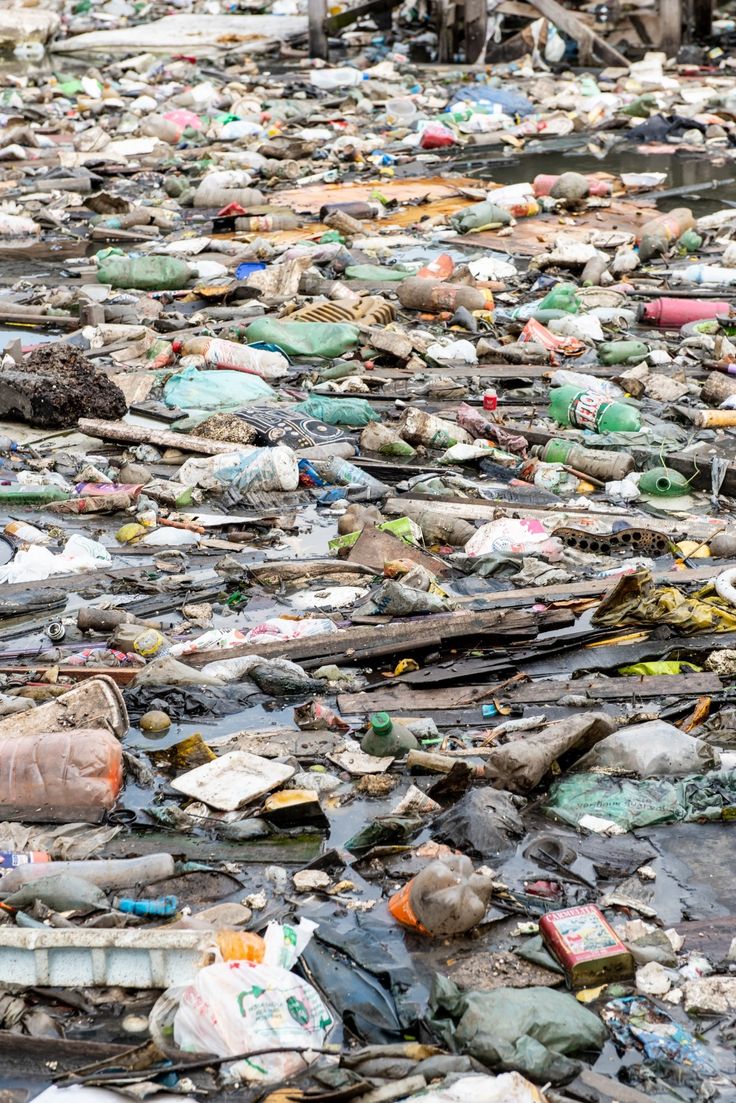
Our planet’s lifeblood is quietly running dry, and the vibrant ecosystems that rely on our rivers, lakes, and oceans are facing an unprecedented crisis. From the plastic-choked currents of our deepest seas to the chemical-laden runoff tainting our freshwater veins, the degradation of our global waterways is no longer a distant threat—it is a present-day emergency. Yet, beneath the surface of this ecological challenge lies a profound opportunity for renewal and collective action. In this post, we explore the critical state of our water systems and discuss why the movement to restore them is the most important mission of our generation. Join us as we examine the innovative solutions, policy shifts, and grassroots efforts necessary to turn the tide and secure a thriving, water-secure future for all.
1. The Current State of Our Global Waterways
It is a sobering reality that our planet’s lifeblood—our rivers, lakes, and oceans—is currently facing an unprecedented crisis. What were once vibrant, self-sustaining ecosystems are becoming increasingly burdened by the weight of human progress. From the invisible, pervasive threat of microplastics infiltrating the deepest ocean trenches to the visible, choking blankets of industrial runoff and agricultural waste coating our riverbanks, the degradation is both systemic and accelerating.
Scientists and environmentalists are sounding the alarm: we are no longer looking at isolated regional issues, but a global collapse of water health. Pollutants have outpaced the natural filtration capacity of our waterways, leading to devastating “dead zones” where aquatic life can no longer survive. Furthermore, the changing climate has disrupted the natural hydrological cycle, leading to intensified droughts that leave our rivers parched and floods that wash untreated waste directly into our most vital water sources.
The current state of our global waterways is not just an environmental statistic or a distant catastrophe; it is a direct threat to global stability, public health, and biodiversity. We have treated these bodies of water as infinite dumping grounds for far too long, and the bill for this negligence is now coming due. To understand the path forward, we must first look squarely at the damage already done and recognize that the time for incremental change has passed—the urgency for systemic restoration has never been greater.
2. Understanding the Impact of Industrial Pollution
The health of our global waterways is under constant siege, and at the heart of this crisis lies industrial pollution. For decades, the convenience of industrial expansion has often come at the expense of our rivers, lakes, and oceans. When factories, manufacturing plants, and power stations discharge untreated or inadequately treated waste directly into water systems, they introduce a cocktail of toxic chemicals, heavy metals, and thermal pollutants that disrupt the delicate balance of aquatic ecosystems.
It is easy to view these waterways as vast, endless conduits capable of diluting any amount of waste, but the reality is far more fragile. As these pollutants accumulate, they don’t just disappear; they bioaccumulate. Toxins move up the food chain, moving from microscopic organisms to fish, and eventually to the humans who rely on these sources for food and hydration. Beyond the obvious health risks, industrial runoff often leads to “dead zones”—areas where oxygen levels are so depleted by nutrient-heavy waste that aquatic life can no longer survive.
Understanding this impact is the first step toward accountability. We are no longer dealing with isolated incidents; we are facing a systemic legacy of contamination that threatens biodiversity and human safety alike. By recognizing the direct correlation between industrial output and the degradation of our water quality, we can begin to shift the narrative from one of unchecked exploitation to one of mandatory conservation and sustainable industrial practices. Restoring our waterways requires us to acknowledge that industrial growth cannot be measured solely by profit margins—it must also be measured by the clarity and vitality of the water we leave behind for future generations.
3. The Role of Agriculture in Waterway Degradation
While industrial pollution often grabs the headlines, the most pervasive threat to our rivers, lakes, and coastal waters actually stems from the fields that feed us. Modern industrial agriculture has become a primary driver of waterway degradation, acting as a silent architect of ecological decline.
The culprit is twofold: chemical runoff and sediment erosion. Every time it rains, synthetic fertilizers—specifically nitrogen and phosphorus—are washed away from crops and into nearby waterways. This influx of nutrients triggers “eutrophication,” a process that fuels massive algae blooms. These blooms choke out sunlight and consume the oxygen in the water, creating vast “dead zones” where aquatic life simply cannot survive.
Beyond chemicals, the physical management of farmland plays a critical role. The removal of natural vegetation buffers along riverbanks, combined with intensive tilling, leaves topsoil vulnerable to erosion. When this soil washes into streams, it clogs the gills of fish, smothers spawning grounds, and alters the very flow of our water systems.
To restore our waterways, we must transition toward more regenerative agricultural practices. By embracing cover cropping, reducing synthetic fertilizer reliance, and maintaining natural riparian buffers, farmers can become the first line of defense in water conservation. It is a shift that requires not just policy changes, but a fundamental rethinking of how we balance global food security with the health of the precious blue arteries that sustain all life on Earth.
4. How Plastic Waste is Choking Our Rivers and Oceans
The sheer scale of plastic pollution in our global waterways has reached a breaking point, transforming once-pristine ecosystems into vast, floating graveyards. Every year, millions of tons of plastic—ranging from discarded fishing nets and single-use bottles to microscopic fragments—find their way into our rivers, which act as the primary arteries funneling this debris into the open ocean.
This isn’t just an eyesore; it is a mechanical and biological disaster. In our rivers, plastic debris collects around bridge pilings and dams, restricting water flow and disrupting the natural habitats of freshwater species. As these plastics drift toward the sea, they break down into microplastics, which permeate every level of the marine food web. From the smallest plankton to the largest whales, marine life is suffering from ingestion, entanglement, and chemical poisoning. By choking these waterways with synthetic waste, we are not only destroying biodiversity but also threatening the essential services these ecosystems provide, including water filtration, carbon sequestration, and global food security. The crisis is urgent, and the tide of plastic is rising faster than our current efforts to stem it.
5. The Cascading Effects on Biodiversity and Ecosystems
The health of our waterways is the heartbeat of the natural world, but when these arteries become polluted or obstructed, the consequences ripple far beyond the water’s edge. A river is not merely a channel for flow; it is a complex, interconnected web of life. When we degrade these systems, we initiate a cascading collapse that threatens biodiversity on a global scale.
Consider the delicate balance of a wetland or a river delta. These ecosystems act as vital nurseries for countless species, from microscopic organisms to apex predators. When chemical runoff, plastic debris, or thermal pollution enters the water, it disrupts the entire food chain from the bottom up. Phytoplankton—the foundation of aquatic life—may struggle to thrive, leading to a diminished food supply for fish, which in turn leaves migratory birds and land-dwelling mammals without the resources they need to survive.
Furthermore, the loss of aquatic biodiversity weakens the ecosystem’s resilience. A diverse waterway is better equipped to filter pollutants, manage floodwaters, and adapt to changing climates. When we lose key species due to habitat destruction or toxic exposure, we strip these environments of their natural defenses. This creates a feedback loop: as the ecosystem degrades, its ability to support life diminishes further, leading to “dead zones” where once-vibrant life flourished.
Restoring our waterways is not just about saving a specific fish or plant; it is about preserving the intricate, invisible threads that hold our natural world together. If we allow these cascades to continue, we risk losing the very biological infrastructure that sustains life on Earth.
6. Connecting Water Health to Human Public Health
It is a dangerous misconception to view the health of our rivers, lakes, and oceans as a secondary concern to human welfare. In reality, the two are inextricably linked; our waterways are the lifeblood of our public health systems. When we compromise the integrity of our aquatic ecosystems, we are effectively poisoning the very foundation upon which human survival rests.
Waterborne contaminants—ranging from industrial heavy metals and agricultural pesticide runoff to microplastics and untreated sewage—do not simply disappear once they enter our water systems. They permeate the food chain, bioaccumulating in the fish we consume and infiltrating the groundwater we use for irrigation and drinking. This direct cycle of exposure is linked to a rising tide of chronic health conditions, including endocrine disruption, reproductive issues, and various forms of toxicity that disproportionately affect vulnerable populations.
By shifting our perspective to view waterway restoration as a proactive public health intervention, we can better justify the urgent need for systemic change. Investing in cleaner rivers is not just an environmental endeavor; it is a preventative medical strategy. When we protect the purity of our natural water sources, we reduce the burden on our healthcare infrastructure, lower the incidence of water-related illnesses, and ensure a safer, more resilient environment for future generations. Protecting our water is not merely about saving nature—it is about safeguarding the health of every human being on the planet.
7. Economic Consequences of Polluted Water Systems
When we think of water pollution, our minds often drift to the heartbreaking images of plastic-choked coastlines or decimated aquatic life. Yet, the devastation extends far beyond the environment; there is a harsh, cold reality to the economic fallout caused by the degradation of our global waterways. When we fail to protect our rivers, lakes, and oceans, we aren’t just losing ecosystems—we are dismantling the very foundations of global commerce.
The most immediate impact is felt in the industries that rely directly on healthy water. Commercial fishing and aquaculture, which provide sustenance and livelihoods for millions, face dwindling stocks and contamination risks that can shut down entire markets overnight. Furthermore, the tourism and hospitality sectors—often the lifeblood of coastal and riverside communities—suffer immensely when beaches are closed due to toxic algae blooms or debris. A polluted waterway is a deterrent to investment, turning once-thriving destinations into economic ghost towns.
Beyond specific industries, the costs of water purification skyrocket as pollution levels rise. Municipalities are forced to invest billions into advanced filtration and treatment technologies to provide safe drinking water, a financial burden that is inevitably passed on to taxpayers. Furthermore, the loss of ecosystem services—such as natural flood mitigation provided by healthy wetlands—means that pollution-weakened environments are more susceptible to extreme weather events. The resulting disaster relief and infrastructure repair costs are staggering, often far exceeding the price of proactive conservation.
Ultimately, viewing environmental health as separate from economic stability is a dangerous fallacy. A polluted waterway is a drain on productivity, a risk to public health, and a significant barrier to sustainable growth. Restoring our water systems is not just an act of ecological stewardship; it is a critical investment in the future of the global economy.
8. Successful Case Studies in River and Lake Restoration
While the scale of global water degradation can feel overwhelming, we are not without hope. Across the globe, dedicated conservationists, local governments, and community groups have proven that with the right strategy, even the most polluted waterways can be brought back to life.
Take, for example, the **Cheonggyecheon Stream in Seoul, South Korea**. Once a neglected, concrete-covered urban sewer plagued by traffic and pollution, it was transformed into an 8.4-kilometer recreational oasis. By removing elevated highways and integrating natural elements, the city not only restored the local ecosystem but also lowered urban temperatures and drastically improved the quality of life for its citizens.
Similarly, the recovery of the **River Thames in London** stands as a beacon of progress. In the 1950s, the Thames was declared “biologically dead” due to centuries of industrial waste. Through rigorous regulation, modernized sewage treatment, and a unified vision for restoration, the river is now home to over 125 species of fish, as well as seals and porpoises. This turnaround serves as a powerful reminder that industrial decline is not a permanent state; it is a hurdle that can be cleared with political will and environmental oversight.
These case studies—and others like the cleanup of Lake Erie in North America—provide a clear blueprint: restoration requires a combination of stringent pollution controls, the reintroduction of native flora, and the active engagement of the public. When we treat our rivers and lakes as living systems rather than mere disposal sites, the resilience of nature can surprise us, transforming stagnant, toxic waters back into the thriving arteries of the planet.
9. Innovative Technologies for Water Purification and Cleanup
The scale of global water pollution can feel overwhelming, but we are currently witnessing a surge in technological ingenuity designed to reverse the damage. Innovation is no longer just about traditional filtration; it is about leveraging robotics, nanotechnology, and nature-inspired engineering to heal our rivers, lakes, and oceans.
One of the most exciting developments is the rise of autonomous, solar-powered “trash skimmers” and aquatic drones. These machines patrol harbors and river mouths, silently collecting plastic waste and oil spills before they reach the open ocean. By automating the cleanup process, we can target high-pollution zones 24/7 without the carbon footprint of traditional cleanup vessels.
Beyond physical debris, we are seeing breakthroughs in molecular purification. Researchers are utilizing graphene-based membranes and nanotechnology to filter out microplastics, heavy metals, and pharmaceutical runoff at a scale previously thought impossible. These advanced materials act as a microscopic sieve, allowing clean water to pass through while trapping contaminants with high efficiency and low energy consumption.
We are also seeing a shift toward “bioremediation,” where science mimics nature. By deploying bio-engineered bacteria and floating artificial wetlands, we can effectively “digest” pollutants in stagnant waterways, turning toxic environments back into thriving ecosystems.
These technologies represent more than just gadgets; they are the tools of restoration. While they cannot replace the necessity of reducing waste at the source, they provide the critical intervention needed to clean our existing waterways and protect the biodiversity that depends on them. By integrating these innovations into our global water management strategies, we can move from merely slowing the contamination to actively turning the tide.
10. The Importance of International Policy and Cooperation
Pollution and water scarcity do not respect national borders; a river flowing through one country often feeds the agricultural systems or drinking water supplies of its downstream neighbors. Because of this interconnected reality, local action—while vital—is ultimately insufficient without the backbone of robust international policy. To restore our global waterways, we must move beyond fragmented efforts and embrace a framework of collective accountability.
International cooperation is the mechanism that transforms isolated conservation efforts into a global movement. Agreements like the UN Water Convention provide a critical blueprint for how countries can share water resources equitably while jointly managing the health of transboundary basins. When nations align their environmental standards, it prevents a “race to the bottom” where industries simply relocate to regions with laxer pollution regulations. Instead, unified policy creates a level playing field, encouraging sustainable innovation and ensuring that the burden of restoration is shared by all who benefit from these vital ecosystems.
Furthermore, international policy facilitates the transfer of technology and financial support from developed to developing nations, which are often the most vulnerable to water crises. By fostering diplomatic dialogue, we can resolve potential conflicts over water rights before they escalate, turning potential flashpoints into opportunities for partnership. Ultimately, protecting the world’s rivers, lakes, and oceans is a global public good; only through unwavering international cooperation can we ensure that clean water remains a fundamental right for future generations rather than a dwindling luxury.
11. How Local Communities Can Lead Restoration Efforts
While global policy and large-scale environmental initiatives are essential, the most profound changes often begin at the water’s edge. Local communities are the eyes and ears of our waterways, and their proximity to the source makes them the most effective stewards of ecological health. When residents, local businesses, and community groups unite, they transform from passive observers into active defenders of their local ecosystems.
Grassroots leadership in restoration can take many forms, from organizing regular riverbank cleanups to lobbying for stricter local wastewater regulations. Community-led monitoring programs—often called “citizen science”—empower volunteers to test water quality, track biodiversity, and identify illegal dumping in real-time. This localized data is invaluable; it provides scientists with a granular view of waterway health that satellite imagery simply cannot capture.
Furthermore, community involvement fosters an emotional investment in the environment. When neighbors work together to stabilize eroding banks with native vegetation or restore natural wetlands, they aren’t just repairing a landscape—they are building a sense of shared responsibility. This collective action forces municipal leaders to take notice and creates a culture of accountability. By reclaiming ownership of their local rivers, streams, and lakes, communities ensure that restoration isn’t just a fleeting project, but a long-term commitment to the health of their home.
12. Sustainable Infrastructure: Moving Beyond Grey Solutions
For decades, urban planners and engineers have relied on “grey infrastructure”—concrete dams, massive pipes, and straightened canals—to manage water flow. While these solutions were designed to provide stability and flood control, they often function as rigid, singular-purpose barriers that disconnect river systems from their natural floodplains. Today, we are learning that these structures often exacerbate the very problems they were built to solve, leading to degraded ecosystems and increased vulnerability to extreme weather.
The shift toward sustainable infrastructure means moving beyond this concrete-heavy mindset and embracing “green” or “nature-based” solutions. This approach views waterways not as conduits to be tamed, but as living systems to be integrated. By restoring wetlands, re-meandering channelized rivers, and creating permeable urban surfaces, we can mimic nature’s own ability to filter pollutants and absorb excess rainfall.
These nature-based interventions offer a dual benefit: they provide robust flood protection while simultaneously creating habitats for biodiversity and cooling urban landscapes. By integrating sustainable infrastructure, we are no longer fighting against the natural cycle of water, but rather working in concert with it. It is a fundamental change in philosophy—from trying to control our waterways through brute force to restoring their inherent capacity to sustain us all.
13. The Role of Individual Action and Conscious Consumption
While large-scale industrial regulation and governmental policy are the bedrock of environmental reform, we must not underestimate the ripple effect of individual choice. Every time we open our wallets, we are casting a vote for the kind of world we want to inhabit. The crisis facing our global waterways is inextricably linked to our consumption habits, meaning that personal responsibility is not just a moral ideal—it is a practical necessity for restoration.
Conscious consumption begins with awareness. It means looking beyond the label of a product to understand its “water footprint.” From the thousands of liters required to produce a single cotton t-shirt to the chemical runoff associated with non-organic food production, our daily purchases act as a silent drain on the world’s rivers and lakes. By choosing to support brands that prioritize water-neutral manufacturing and non-toxic supply chains, we force the market to shift its priorities.
Beyond purchasing power, individual action involves rethinking our domestic relationship with water. This means moving away from the “out of sight, out of mind” mentality regarding what we flush or rinse down our drains. Every microplastic bead, harsh cleaning chemical, or pharmaceutical residue that enters our wastewater cycle eventually finds its way back into the ecosystem. By opting for biodegradable household products and reducing our reliance on single-use plastics, we act as the first line of defense for our local watersheds.
Ultimately, individual action is about fostering a culture of stewardship. When we choose to repair rather than replace, buy local to reduce industrial water usage, and advocate for cleaner policies in our communities, we create the social pressure necessary for larger systemic change. The tide will not turn through a single grand gesture, but through the cumulative power of millions of people deciding that our waterways are worth protecting, one conscious choice at a time.
14. Future Outlook: Can We Reverse the Damage?
It is easy to look at the current state of our global waterways—choked with plastics, tainted by industrial runoff, and depleted by mismanagement—and succumb to climate despair. However, the future of our rivers, lakes, and oceans is not yet a closed book. While the damage is extensive, we are currently witnessing a pivotal shift in both technology and global policy that suggests restoration is not only possible but increasingly achievable.
The question of whether we can truly reverse the damage hinges on our ability to transition from a “mitigation” mindset to one of active regeneration. We are moving beyond merely slowing down pollution; modern initiatives are now focused on circular economies that prevent waste from entering the water cycle in the first place. Innovations in bio-remediation, such as using specialized fungi and plant life to strip toxins from waterways, are showing immense promise in healing long-polluted industrial zones.
Furthermore, the “nature-based solutions” movement is gaining momentum. By restoring mangroves, seagrass beds, and wetlands, we are effectively deploying nature’s own filtration systems. These ecosystems don’t just clean the water; they provide vital habitats that allow aquatic life to rebound, creating a ripple effect of recovery that moves up the food chain.
Ultimately, reversing the damage requires a departure from the status quo. It demands a future where water is treated not as a limitless commodity to be exploited, but as a living, breathing infrastructure that supports all life. While we cannot undo every mistake of the past century overnight, the collective commitment to smarter policy, sustainable technology, and local community-led restoration efforts provides a tangible roadmap toward a cleaner, healthier blue planet. The tide is turning—but it requires every one of us to ensure the current continues to flow in the right direction.
15. A Call to Action: Protecting Our Most Vital Resource
The statistics are sobering, and the degradation of our rivers, lakes, and oceans is a reality we can no longer ignore. However, this is not a moment for defeatism; it is a moment for mobilization. Restoring our global waterways is the defining challenge of our generation, and it requires more than just passive concern—it demands a collective, unwavering call to action.
Protecting our most vital resource begins with the recognition that water is not a commodity, but the very lifeblood of our planet. Every effort counts, whether it is holding corporations accountable for industrial runoff, advocating for stricter agricultural regulations, or simply rethinking our own consumption habits at home. We must demand that policymakers prioritize blue-space conservation with the same urgency as climate change, understanding that the health of our waterways is inextricably linked to the health of our global ecosystem.
True change happens at the intersection of individual responsibility and systemic reform. By supporting grassroots organizations, participating in local cleanup initiatives, and educating our communities on the fragile state of our watersheds, we create a ripple effect of awareness. We are the stewards of this blue planet, and the legacy we leave behind will be measured by the clarity of our streams and the resilience of our seas. The time to turn the tide is now—because when we protect our water, we are ultimately protecting ourselves.
Restoring our global waterways is no longer a distant ideal; it is an urgent necessity for the health of our planet and the future of every living thing. While the scale of the crisis may seem daunting, the power of collective action cannot be underestimated. By advocating for sustainable policies, reducing our individual reliance on single-use plastics, and supporting local restoration initiatives, we can begin to turn the tide on pollution and neglect. Let this be the moment we commit to becoming better stewards of our blue planet—because when we heal our rivers, lakes, and oceans, we are ultimately healing ourselves. Together, we can ensure that these vital lifelines continue to flow clean, clear, and vibrant for generations to come.
——————————
 fauxcroft
Leave a comment